
Additionals
Additionals Trends Spring.Summer 26 – Part 1
The beauty of the Opposite Collection lies in its ability to tell a story.
Munich Fabric Start
Filter (4)
The beauty of the Opposite Collection lies in its ability to tell a story.
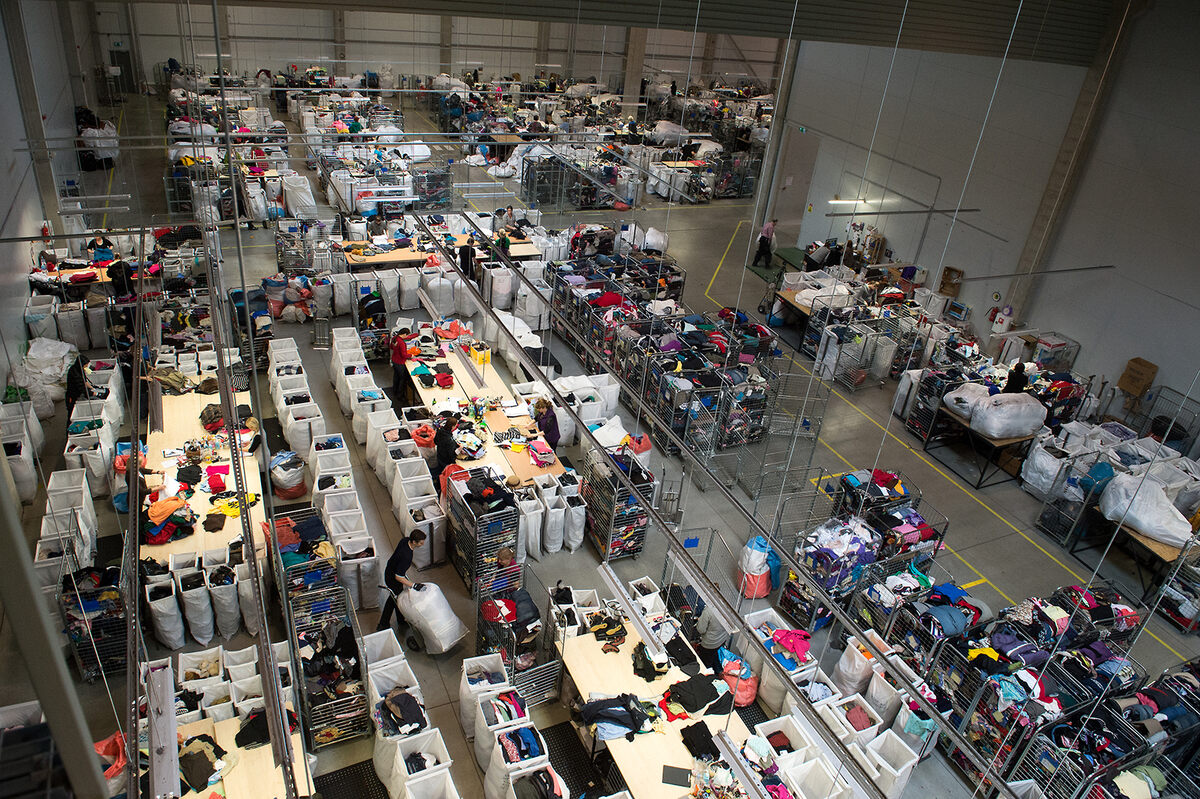
The Data Hub tackles challenges in the post-consumer value chain such as a lack of transparency in textile flows, inconsistent data shared between partners, and inefficient reporting to the public sector.
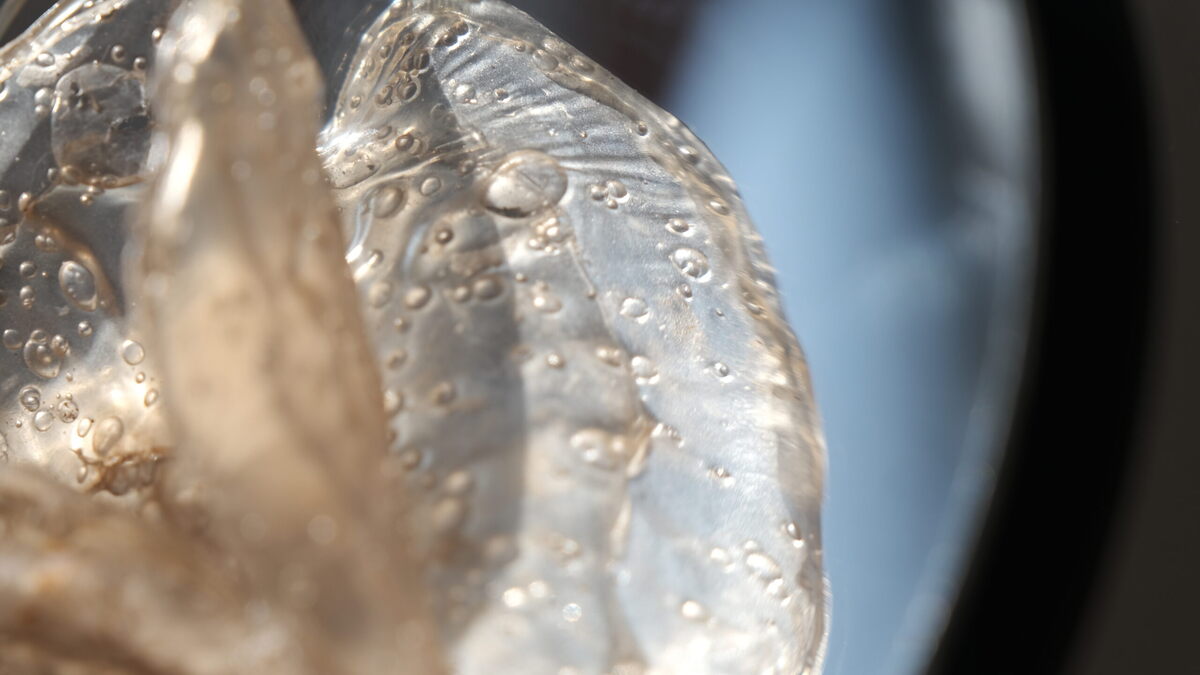
Venus In Fury's approach fundamentally differs from traditional textile production, beginning not with a sketch but with a selection of natural materials such as Dutch wool and seaweed.
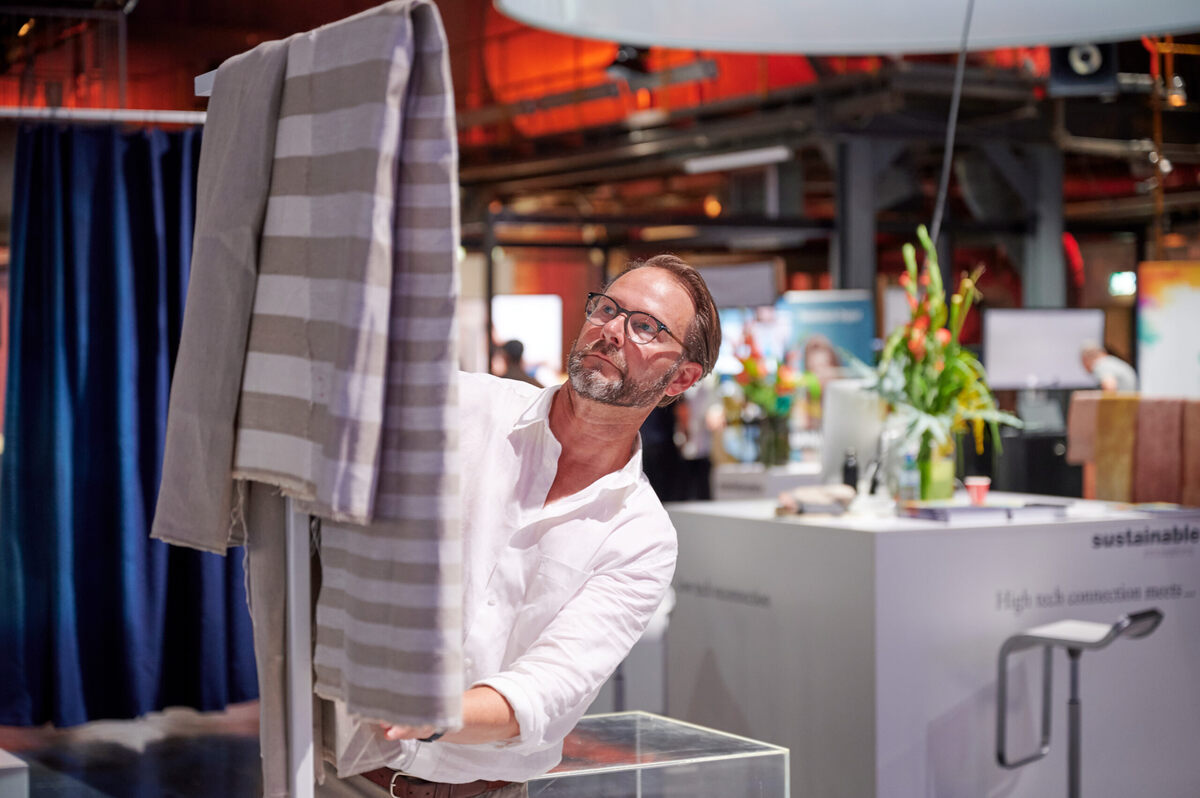
This season, we’re continuing this saga by posing critical questions and embracing a more holistic narrative. It’s less about solutions and more about interventions and transformative thinking.
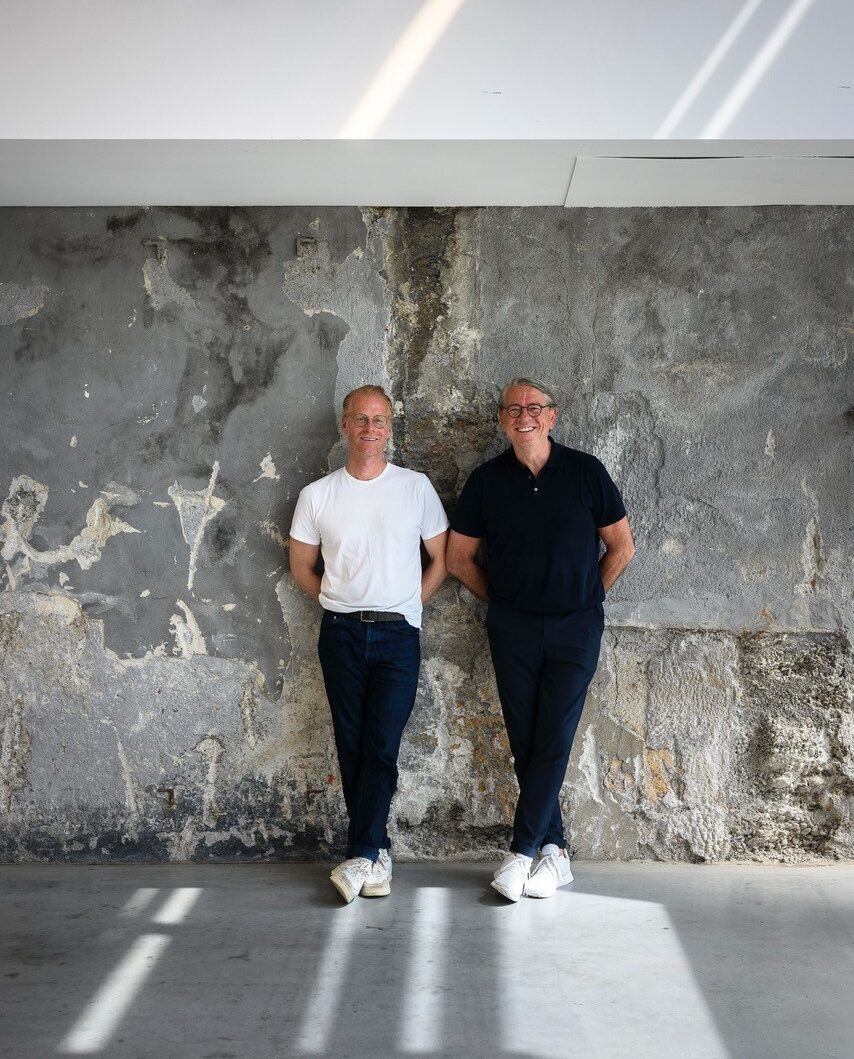
INTUITION means that we have the courage to rely on our inner voice instead of just relying on hard facts and data. An interview with the organisers of MUNICH FABRIC START.
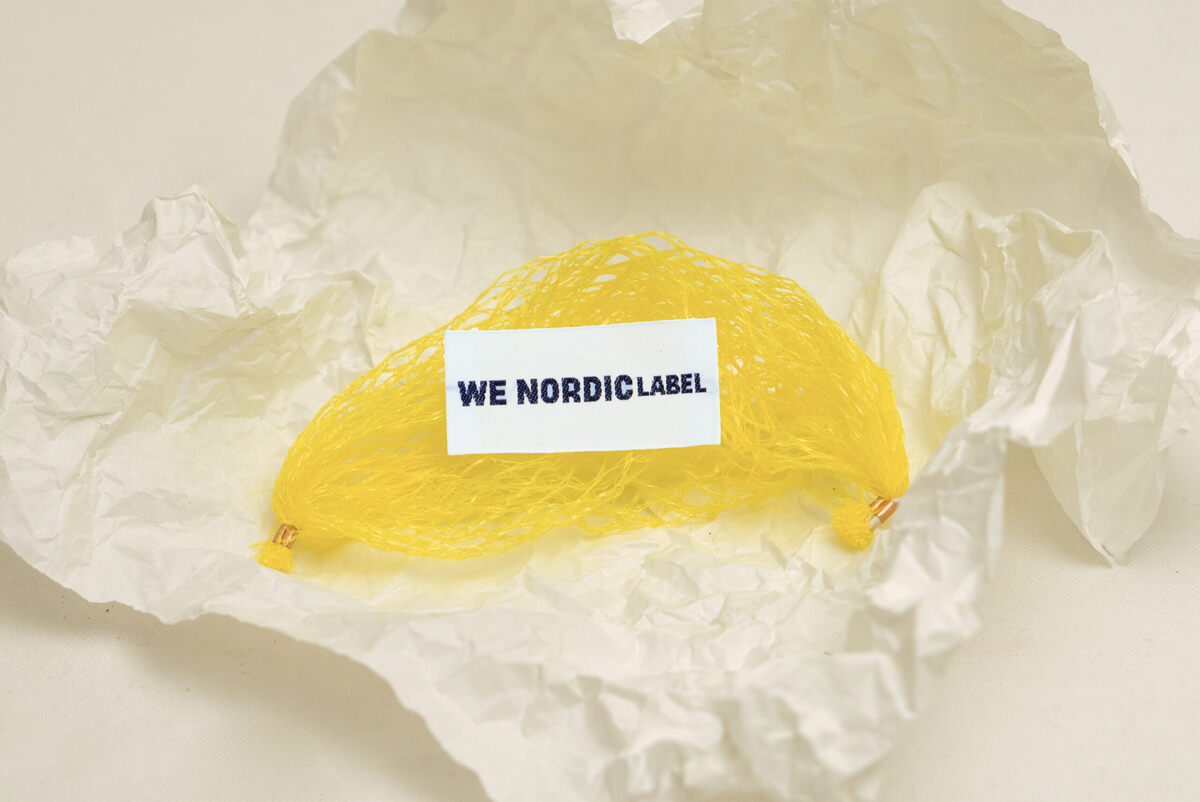
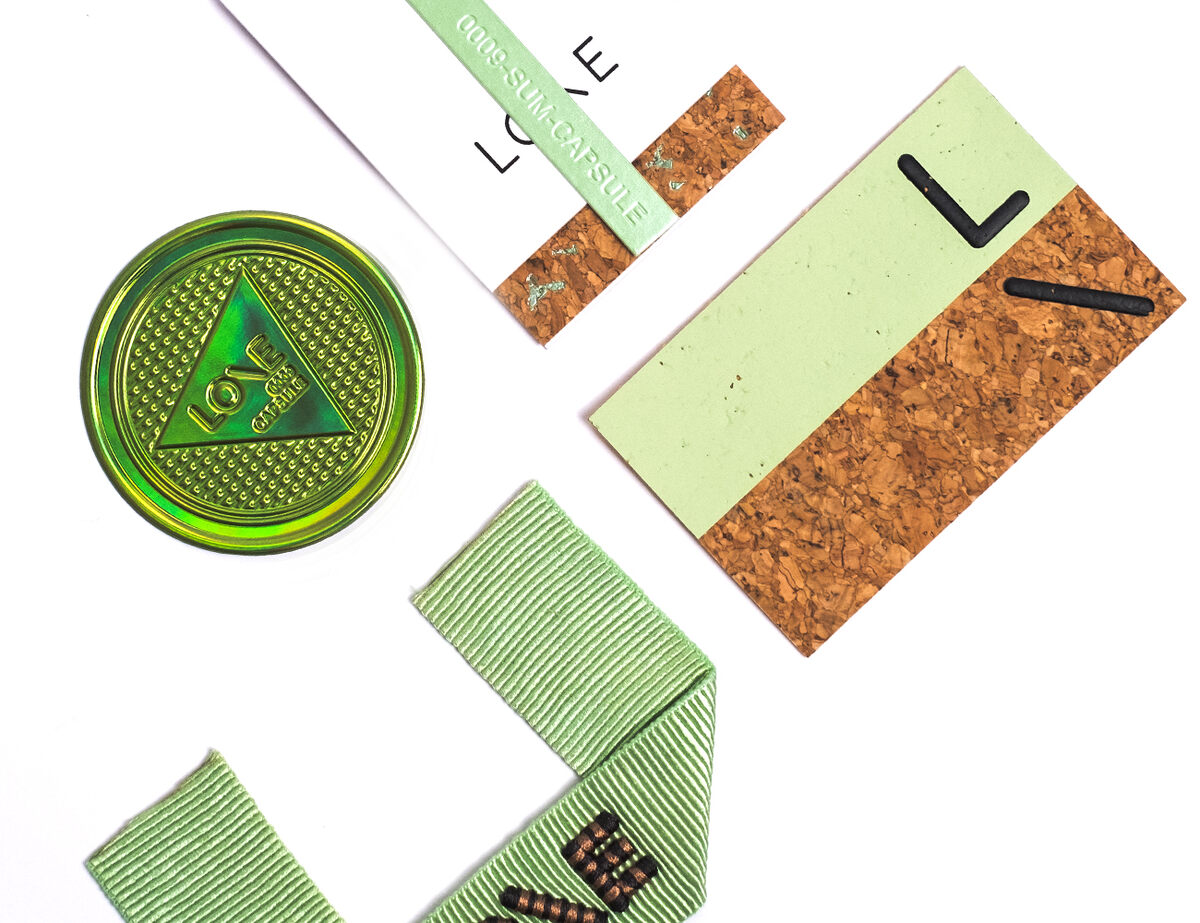
We Nordic Label Studios blends minimalist Danish design with a strong focus on craftsmanship, sustainability, and responsible practices across labels, hangtags, packaging, and trimmings.
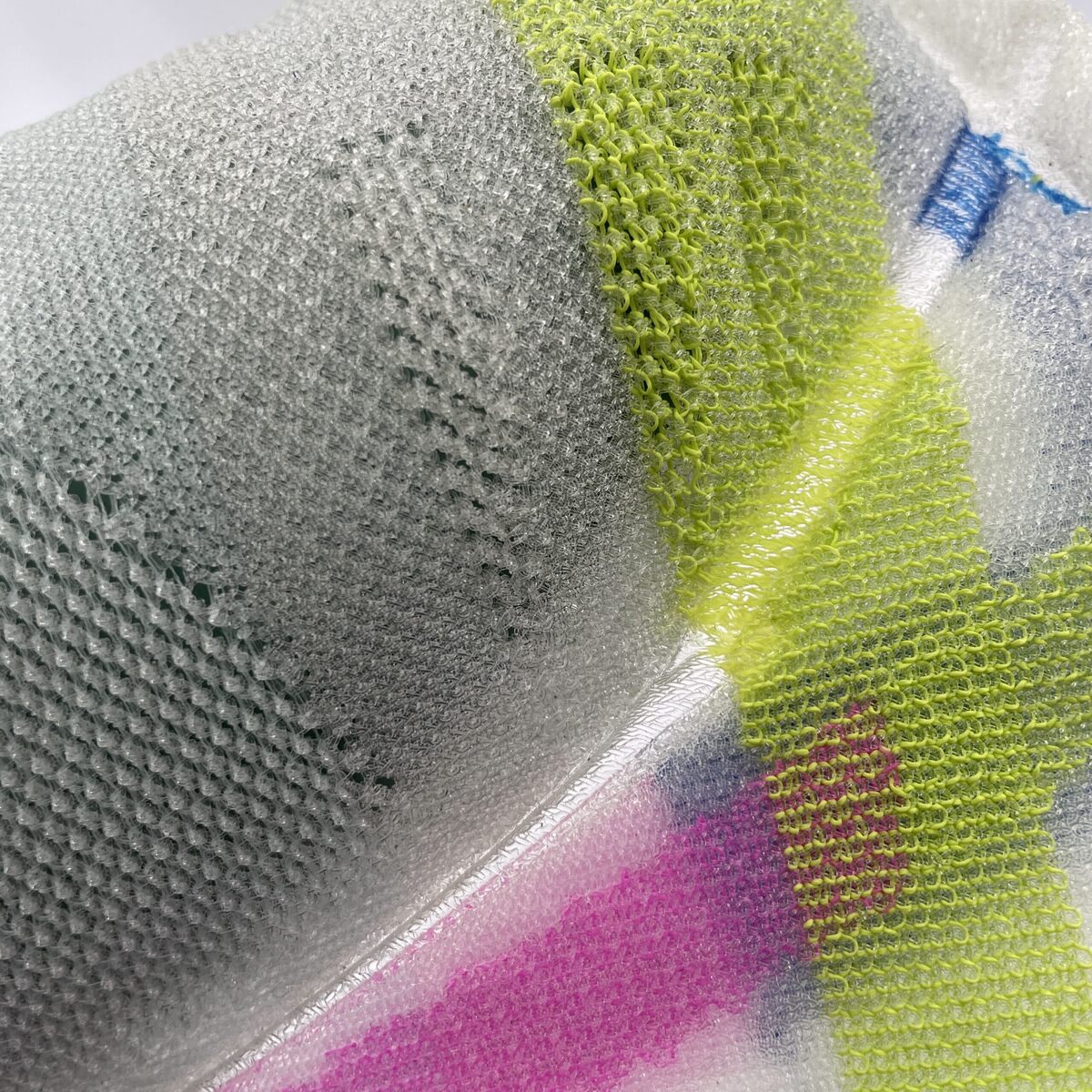
Suzanne’s goal is to push boundaries, experiment and challenge the way things are done.
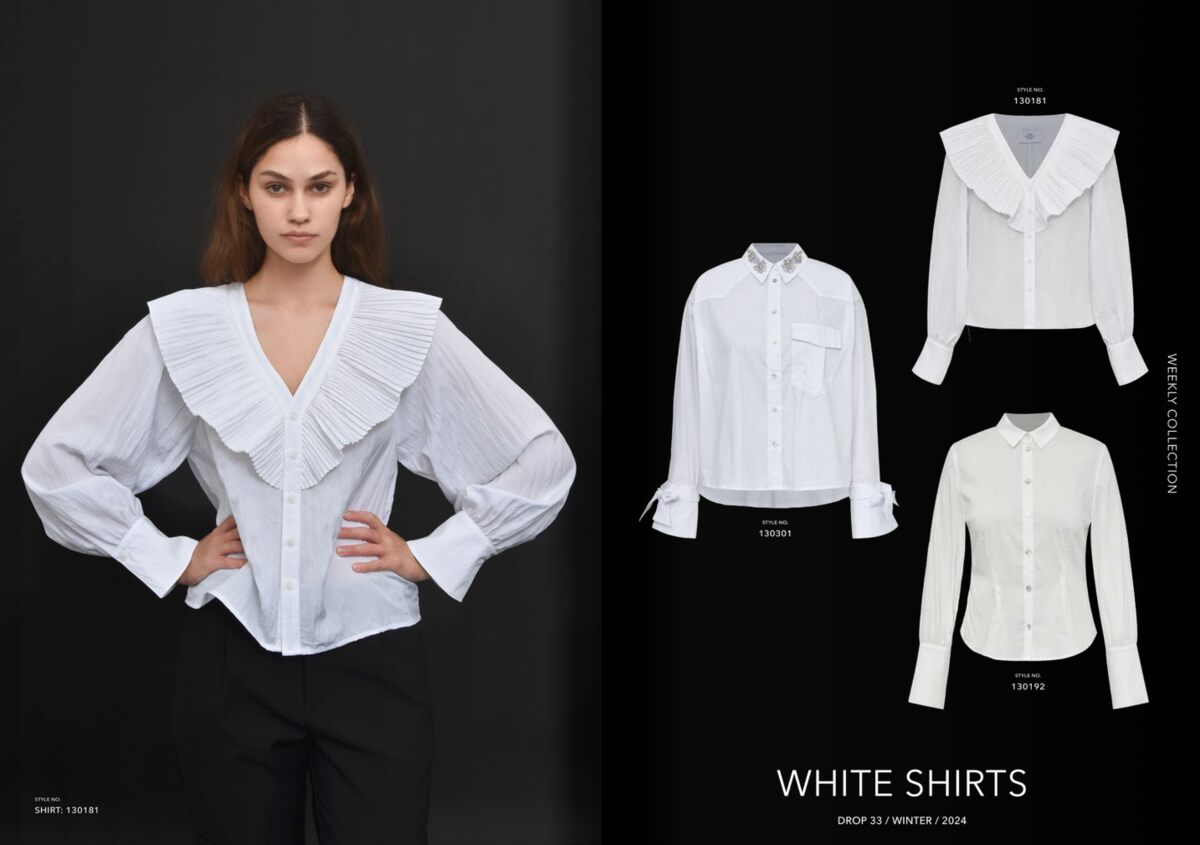
Fashion is not only about following trends, but also about expressing your creativity and personality.
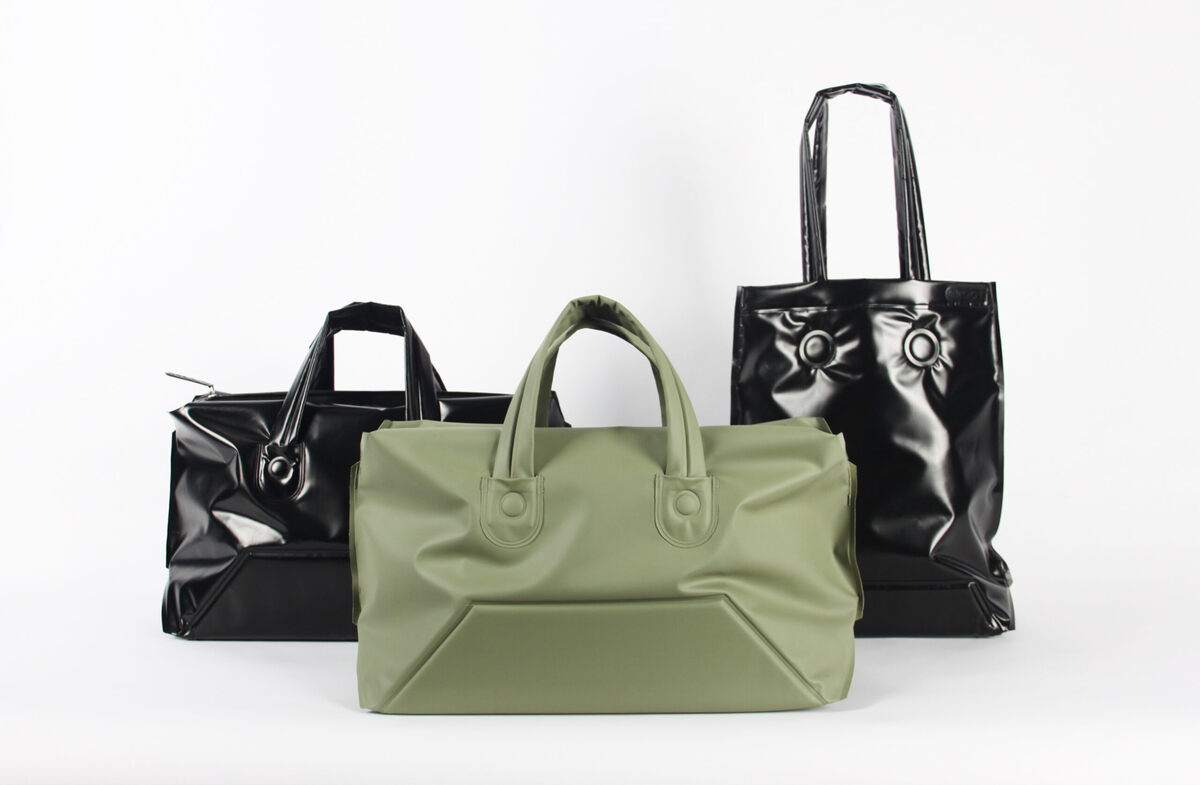
“The factory is my playground, searching for new possibilities with the tools I can find.” Joris de Groot blends traditional craftsmanship with industrial processes, resulting in unique and sustainable designs.
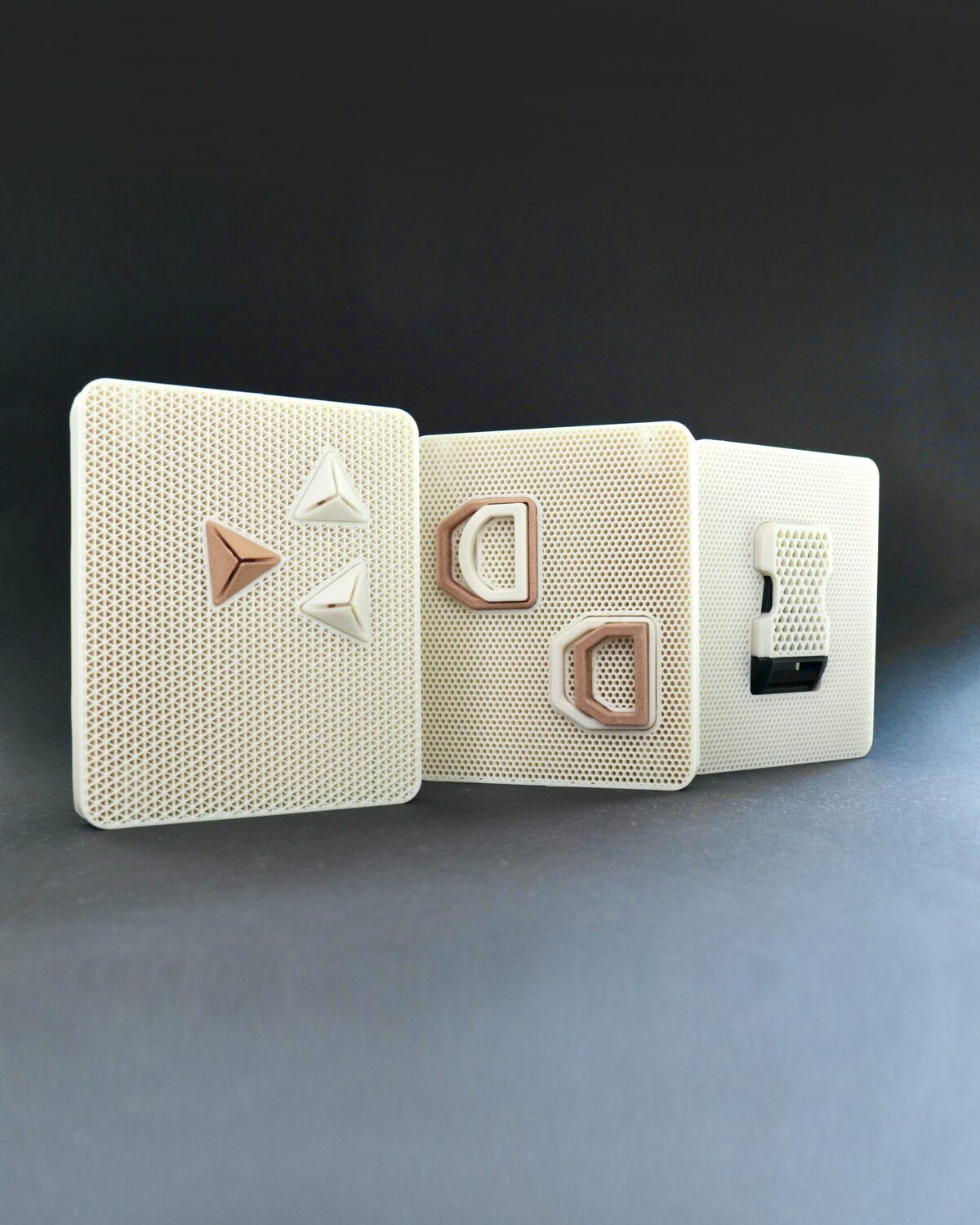
valupa employs a combination of 3D printing and injection molding in their design and production processes to reduce waste and avoid faulty production
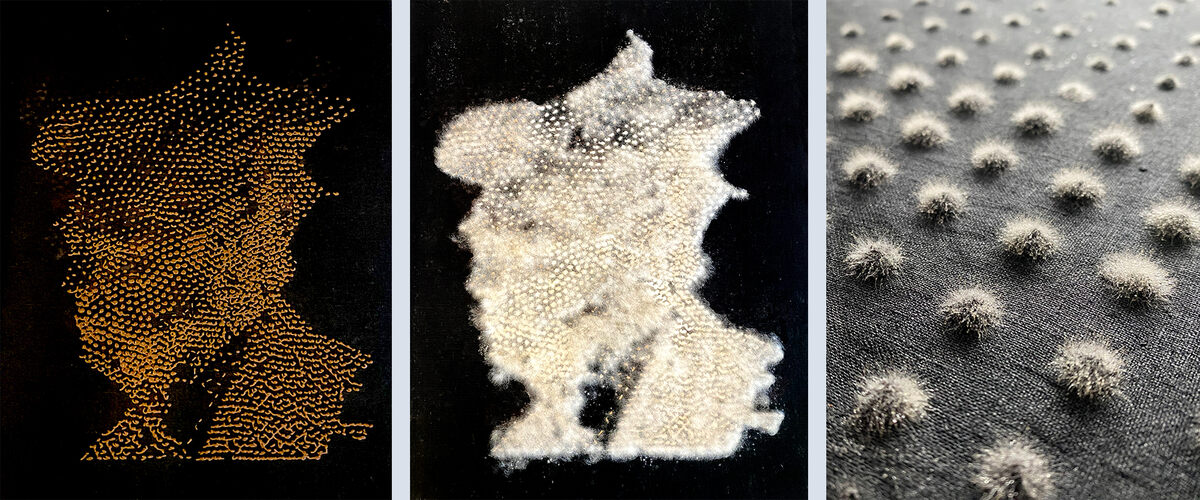
Tjeerd’s “Mycelium 2D Printing” explores the potential of mycelium, a natural material obtained from mushrooms, which could be crucial for the transition towards more sustainable consumption.
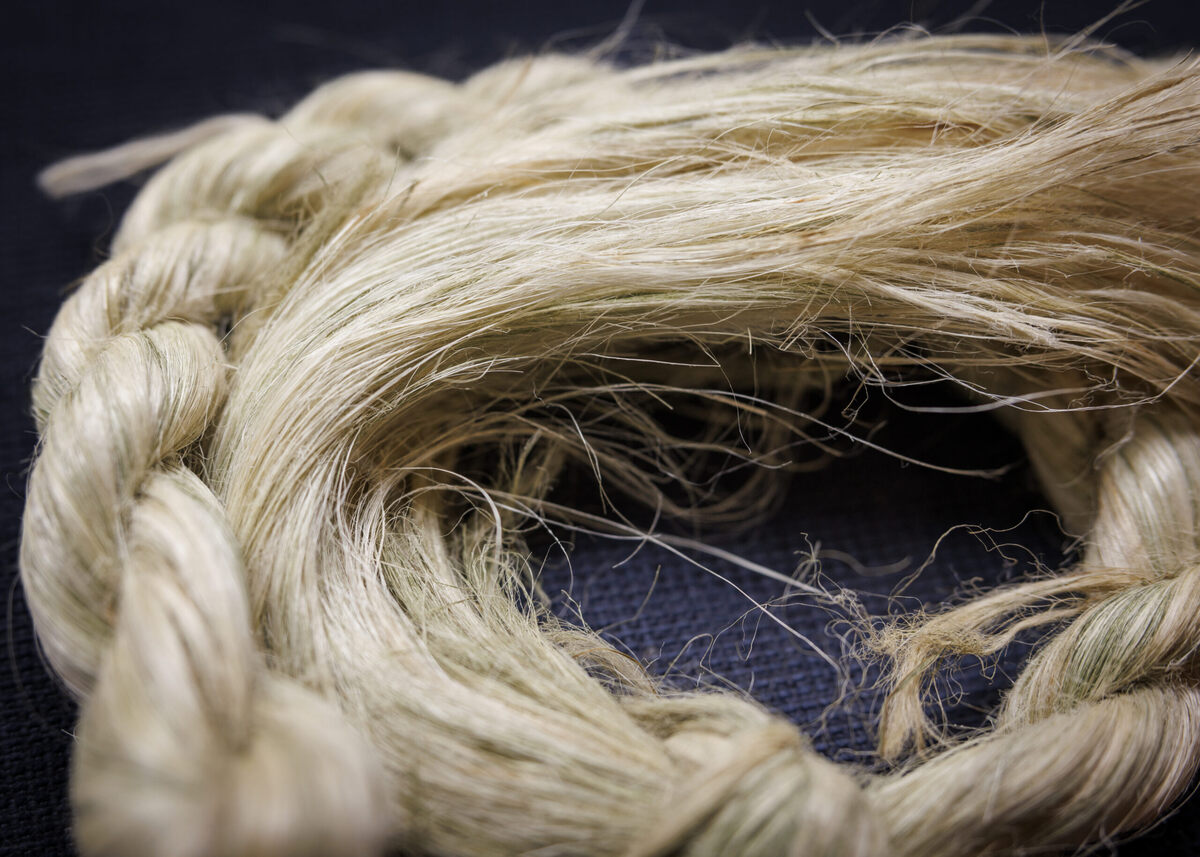
A type of plant that thrives in wet conditions are cattails, the cultivation of which is currently not profitable for farmers, which is why its fibres are typically used for low-value products like insulation.