Revolutionary Sustainability In The Textile Industry
CO2Tex stands out as a central project within BIOTEXFUTURE, focusing on CO2-containing thermoplastic polyurethane (TPU) as an alternative to conventional elastane.
Munich Fabric Start
Filter (3)
CO2Tex stands out as a central project within BIOTEXFUTURE, focusing on CO2-containing thermoplastic polyurethane (TPU) as an alternative to conventional elastane.
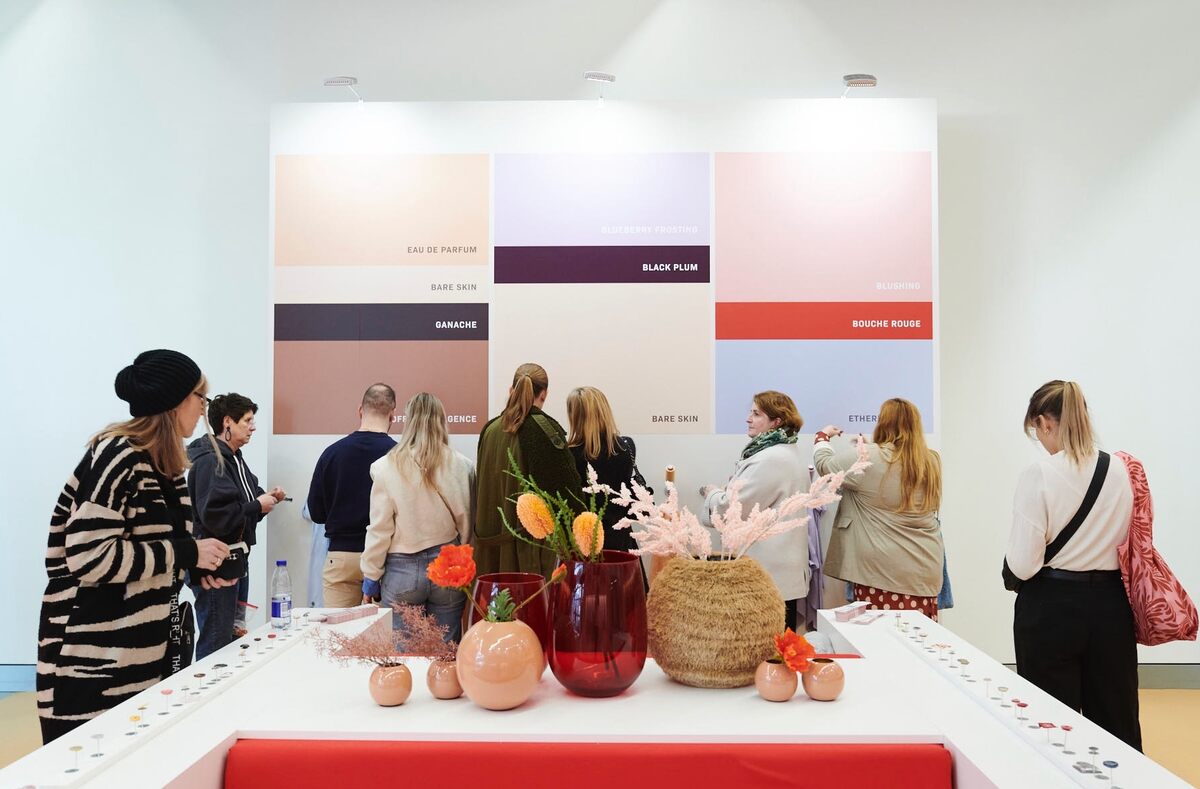
Some 30 selected clothing manufacturers present their products and services around the latest sourcing services and apparel manufacturing at THE SOURCE studio in hall 2.
MUNICH FABRIC START for Spring.Summer 2025 came to an end with cautious optimism: around 1,000 suppliers, 11,700 visitors and a clear focus on sustainability.
In KEYHOUSE, Hall 5, progressive suppliers and global players will be showcasing trend-setting future fabrics, new process technologies and sustainable innovations on over 1,000 square metres.
Digital processes elevate design to a new level, but only when the result is right. Style3D | Assyst develops new technologies that seamlessly connect 3D design and production-ready patterns.
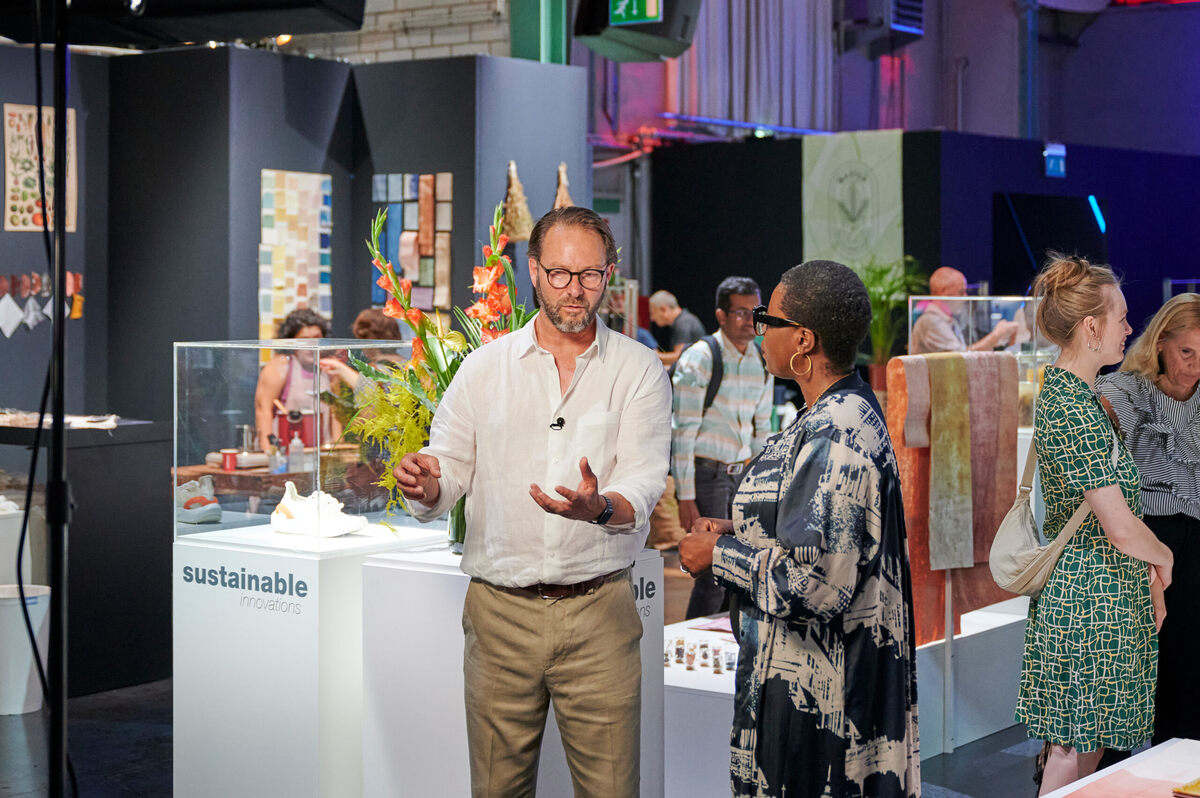
An editorial by Simon Angel, Curator of the SUSTAINABLE INNOVATIONS Forum, on our changing relationship with textiles – between scientific progress and artistic intimacy.
Muchaneta ten Napel talks to Lauren Bartley, Chief Sustainability Officer at GANNI, about next-generation materials, circular business models and the future of sustainable fashion.
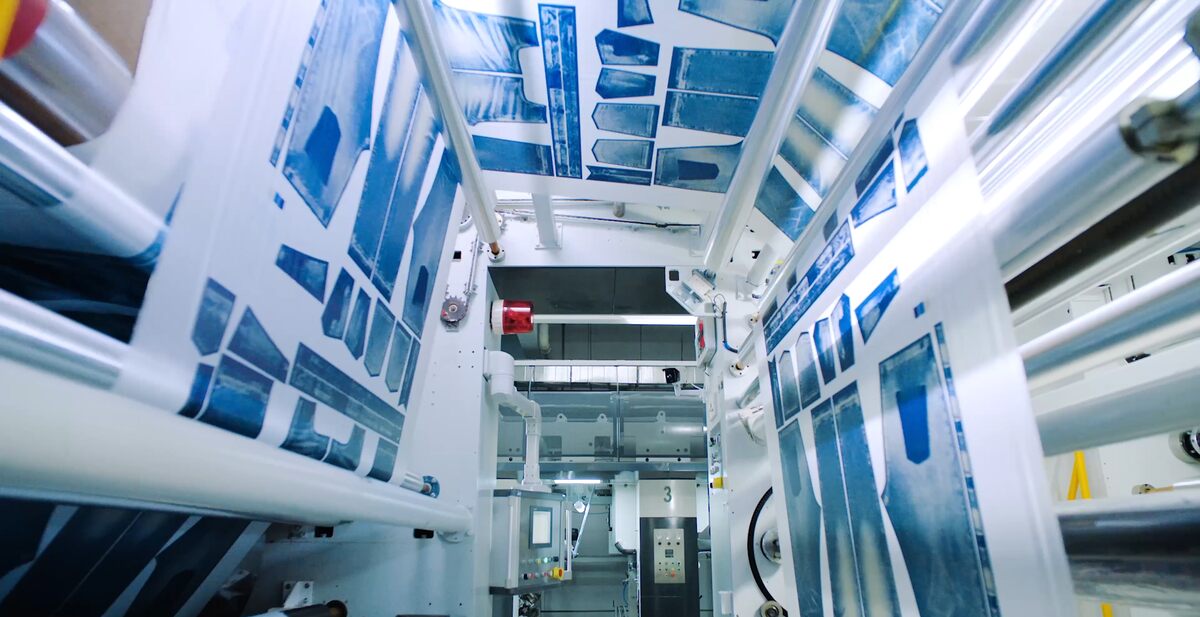
Stella Blu is the first denim mill in the world to adopt NTX Cooltrans, the waterless coloration technology, to produce denim entirely without indigo.
Certifications, recycled materials, environmentally friendly – that is what the sustainable fabrics in the ReSource area stand for.
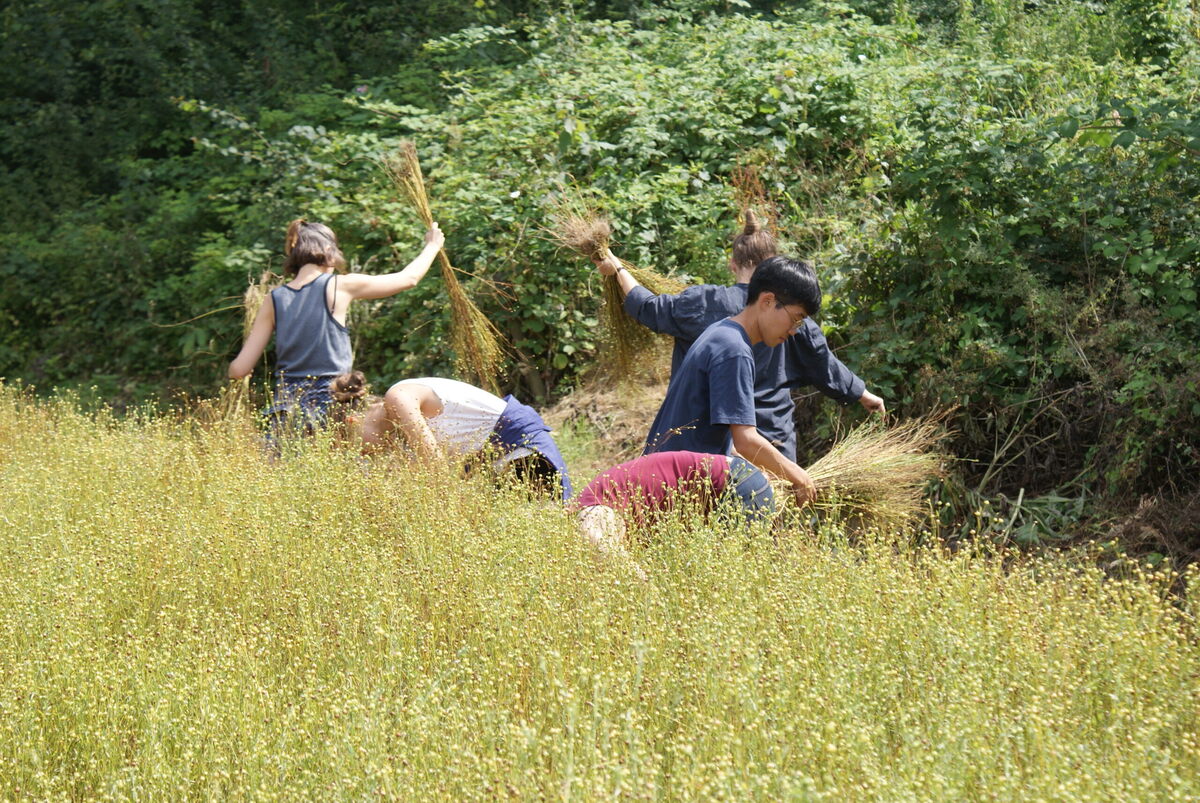
How and where are our roots? The Linen Project revives the economic viability of local flax cultivation and linen production in the Netherlands and reconnects us with deep human values and ancient skills.
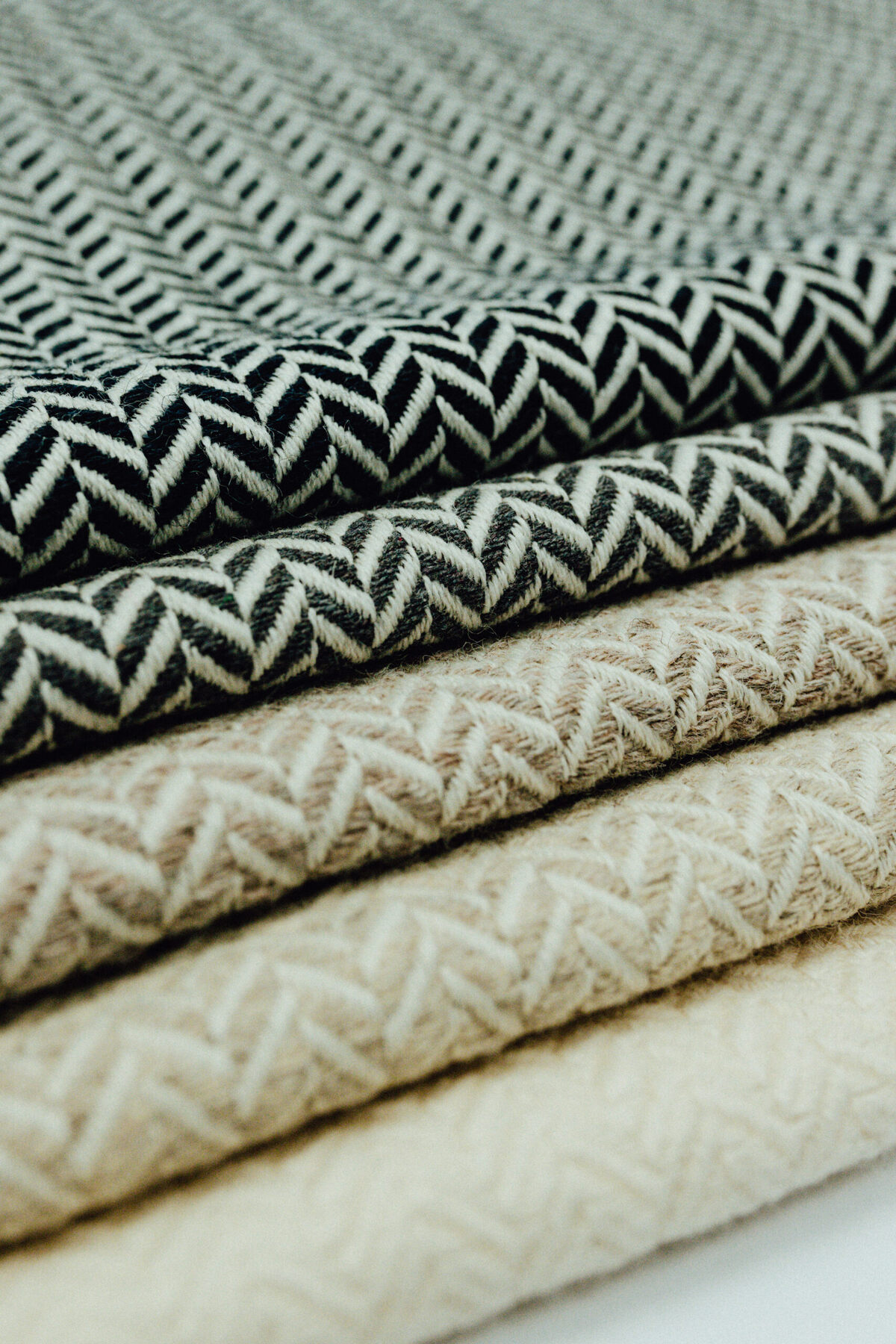
Local and recycled: Enschede Textielstad was founded in 2013 by Annemieke Koster to create responsibly produced fabrics from recycled yarns and local raw materials such as flax, hemp and wool for apparel and interior textiles.
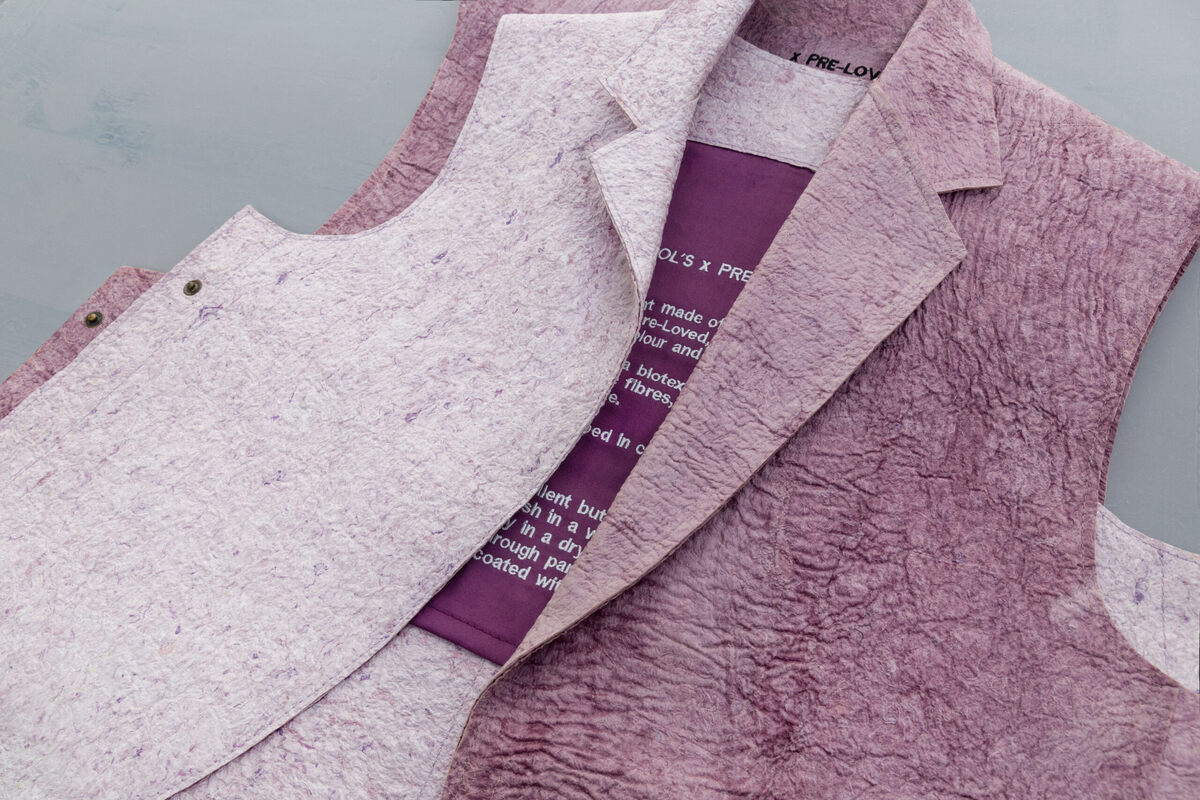
The focus here is on circularity: it is about the recyclability of the material; a product made by Studio Sarmite can be dissolved at the end of its life and the textile fibres can be used for the next production cycle.