
Connexxion – The relationship
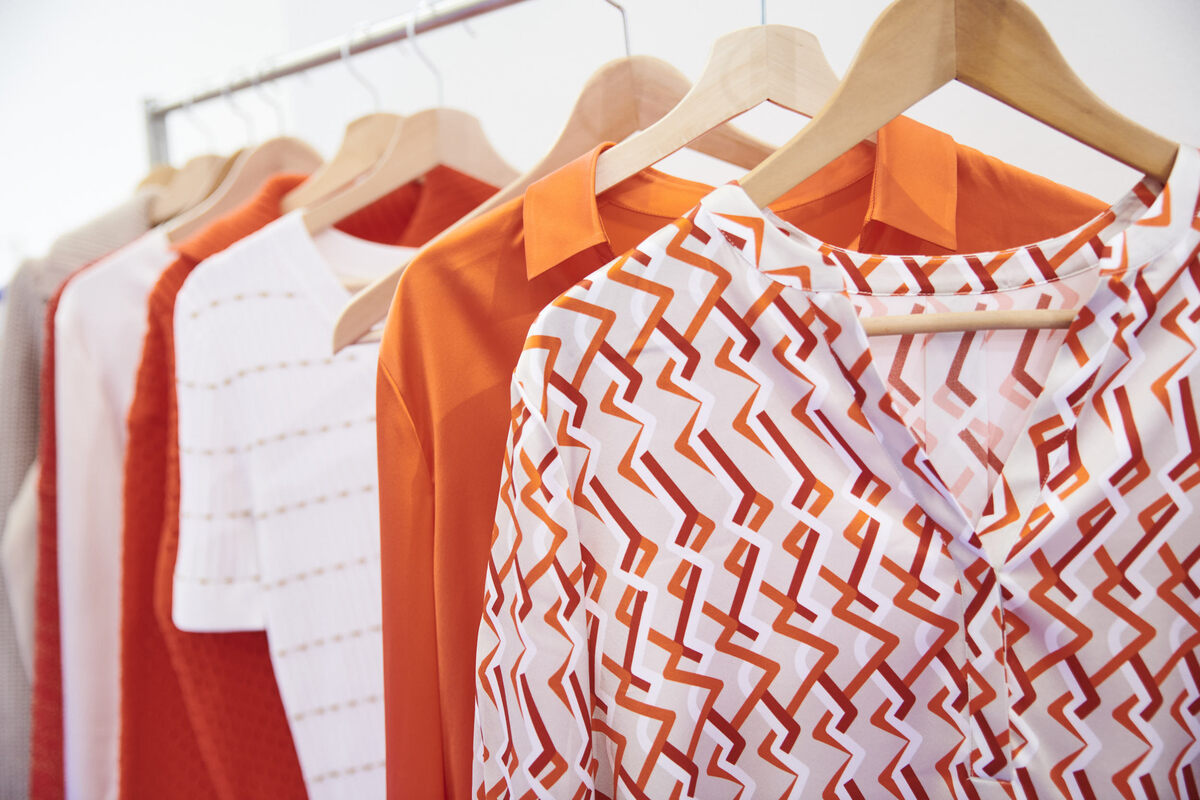
SAAT means “together” in the Indian language and “that which arises from the seed sown” in the German language. Thus, SAAT’s fashion is a harmonious interplay of different factors that always creates something new.
Munich Fabric Start
Filter (2)
SAAT means “together” in the Indian language and “that which arises from the seed sown” in the German language. Thus, SAAT’s fashion is a harmonious interplay of different factors that always creates something new.
This is what fashion is all about right now: taking people on a journey through time to phases of our lives and theirs when we, and everyone around us, were so much more carefree than we are today.
M. I. Industries is engaged in innovative manufacturing with a vertically-integrated supply chain that straddles from greige fabric to apparels, providing end to end solutions to trusted partners across the globe.
At the same time, they are eager to explore avenues for improving the customer journey, sustainability aspects, sourcing or design. It entails broadening their scope of responsibilities and possibilities.
Automation, sustainability and local production will fundamentally change the textile industry over the next five years.
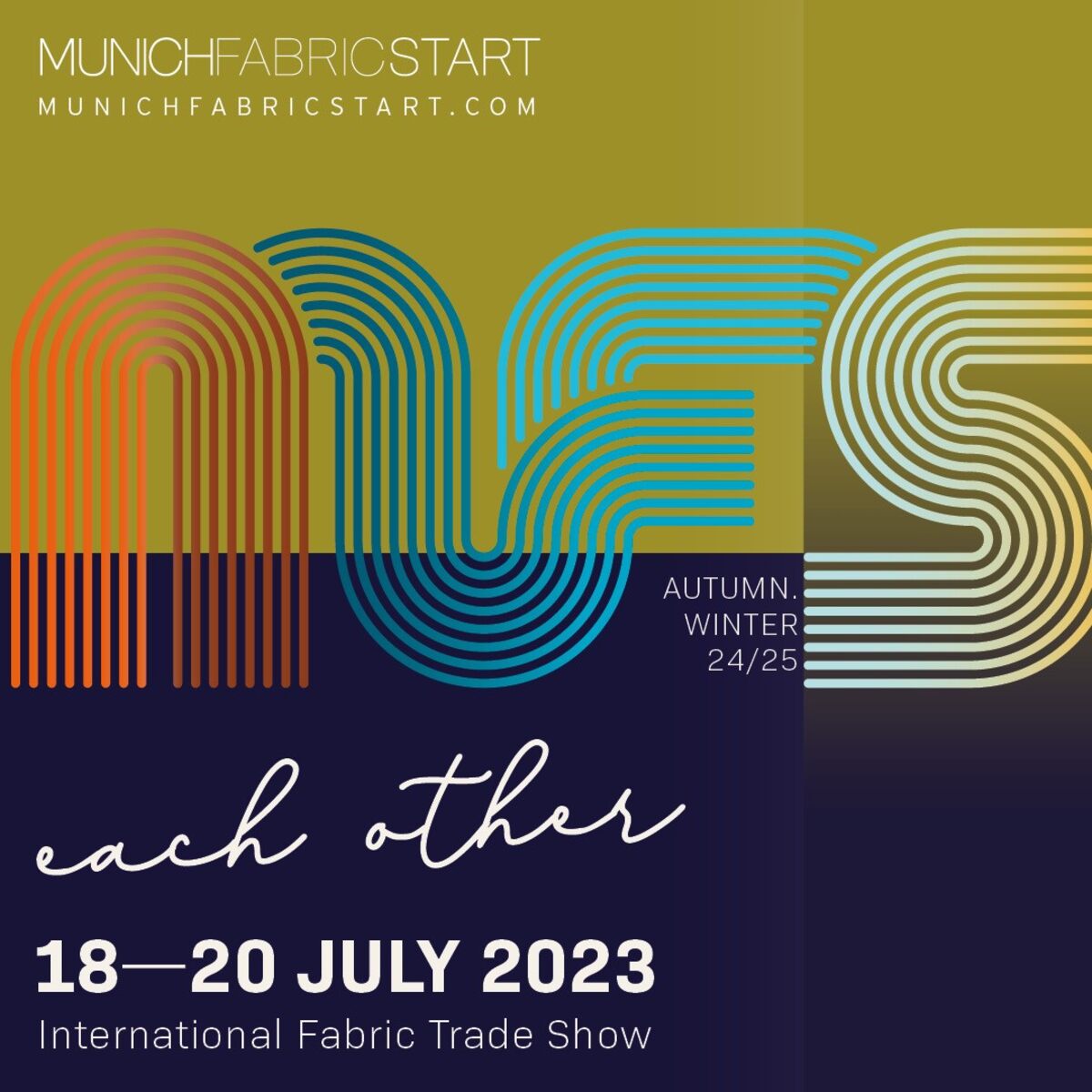
EACH OTHER In conversation with the organizers of MUNICH FABRIC START about the future of trade shows, 20 years of BLUEZONE, and new dates.
MUNICH FABRIC START, KEYHOUSE, THE SOURCE and BLUEZONE move forward to the second half of July for Autumn.Winter 24/25. The first reVIEW will be held on 13 and 14 September 2023 on the Zenith grounds in Motorworld.
The range of services offered by these internationally experienced manufacturing companies includes cut-make-trim (CMT) solutions as well as high-end production. Services such as A-Z process solutions, including procurement processes, are also offered – the perfect complement to the value chain in the diverse portfolio of MUNICH FABRIC START.
Almost 30 selected clothing manufacturers presented their sourcing and manufacturing services in Atrium 3 – from CMT solutions to high-end production.
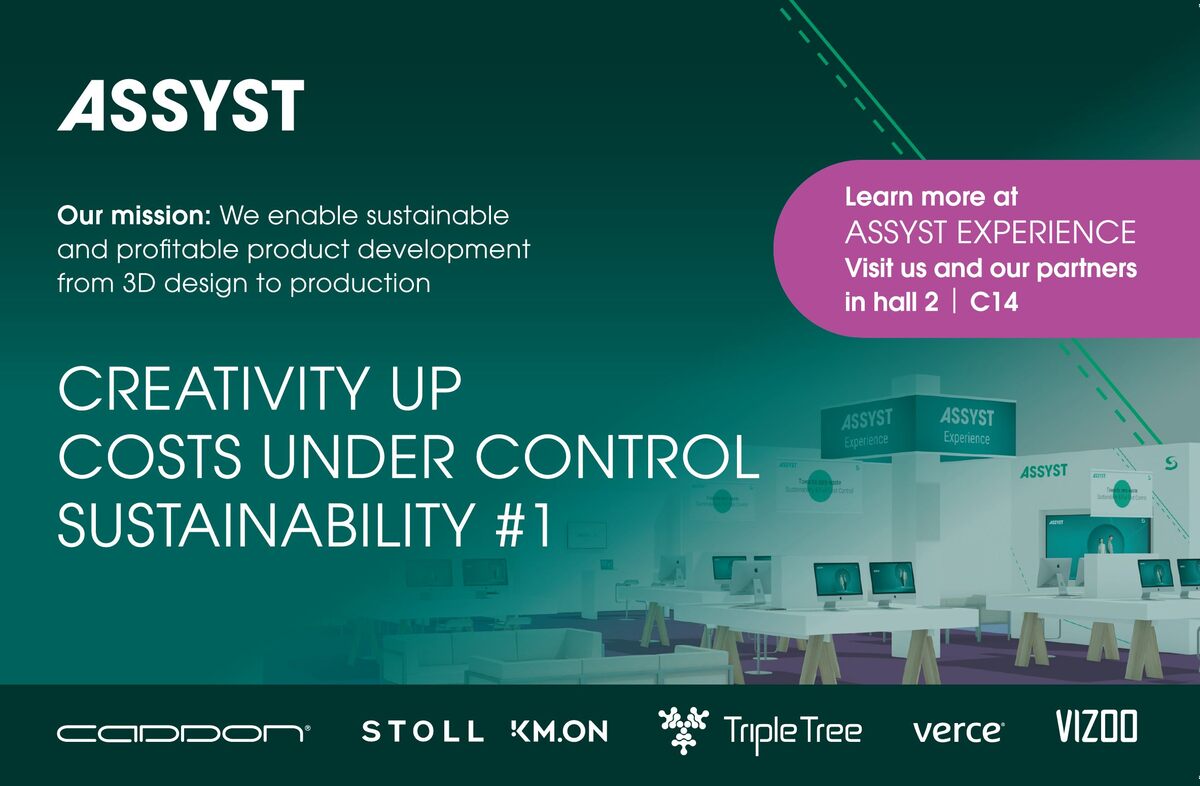
Purchasing and production are usually responsible for sustainability. However, you can significantly influence costs, material consumption and profitability if you think beyond reusable fabrics – and the key to this is in the hands of apparel designers.
But then at some point there is suddenly a fundamental break, a completely new attitude to life, a completely different basic mood, a “vibe shift”. We are now at such a turning point.
What can industry players who want to take a constructive look at the textile market expect in 2023, with innovation as the backbone?