Moving Creativity Upstream
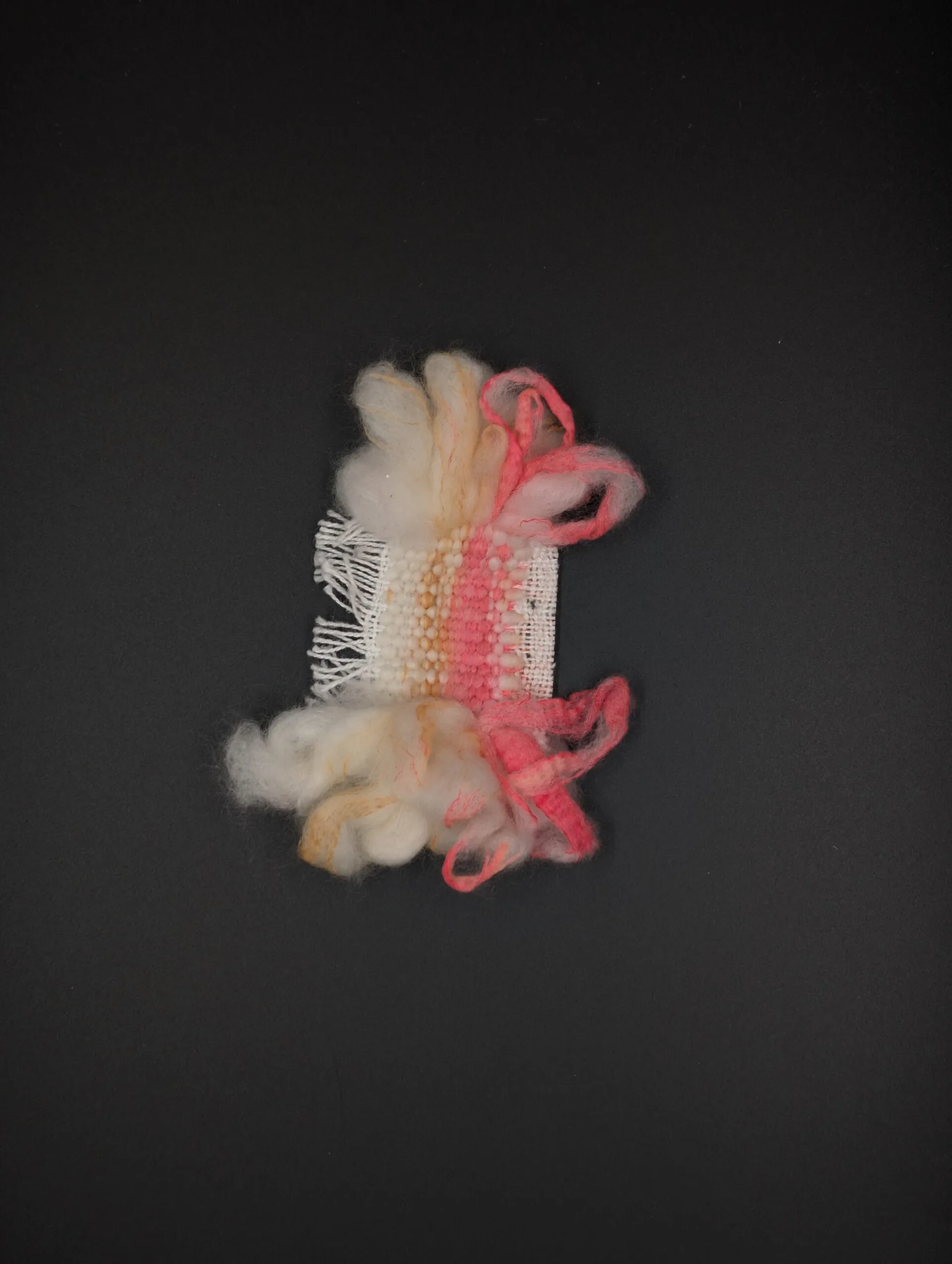
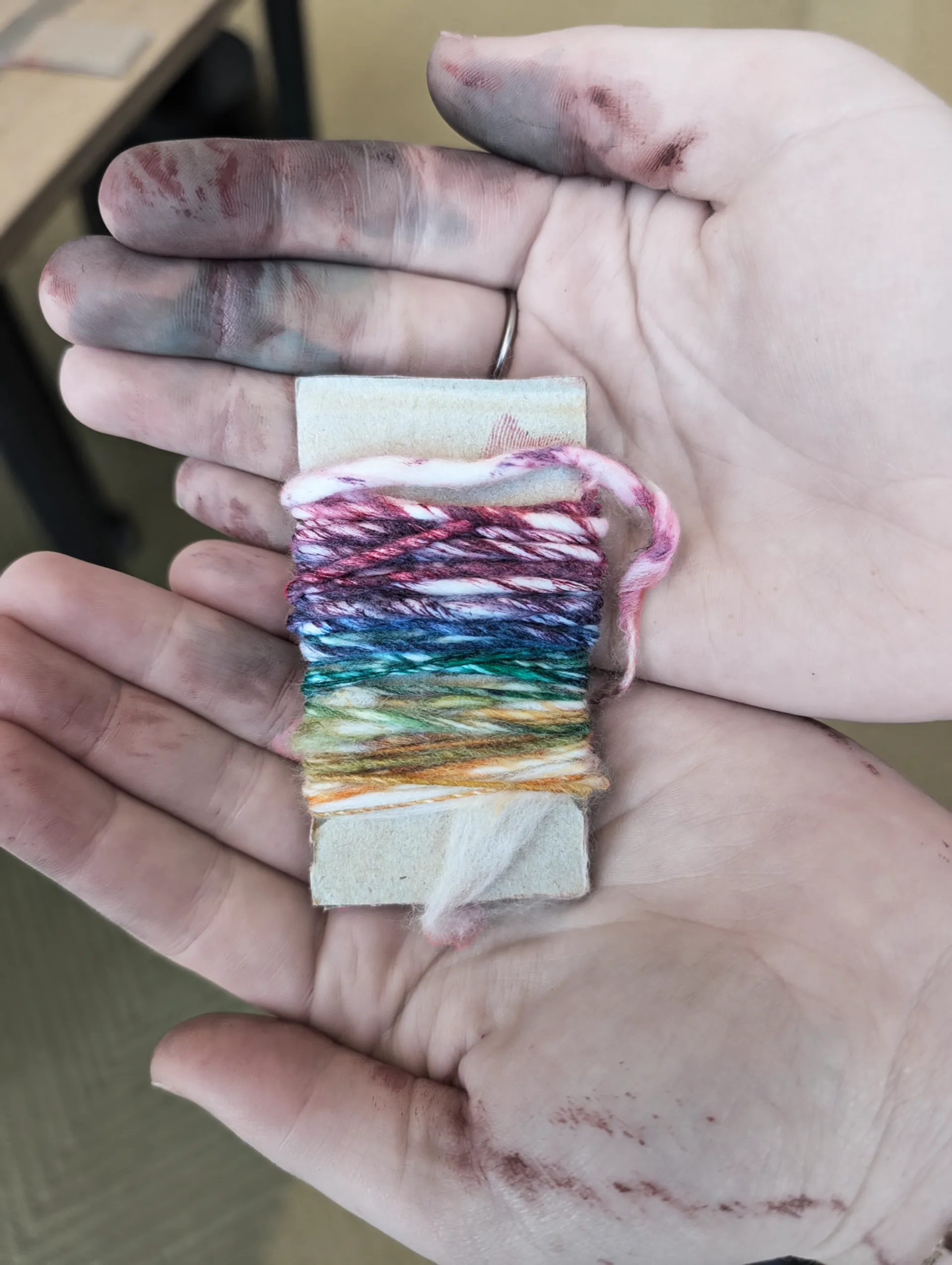
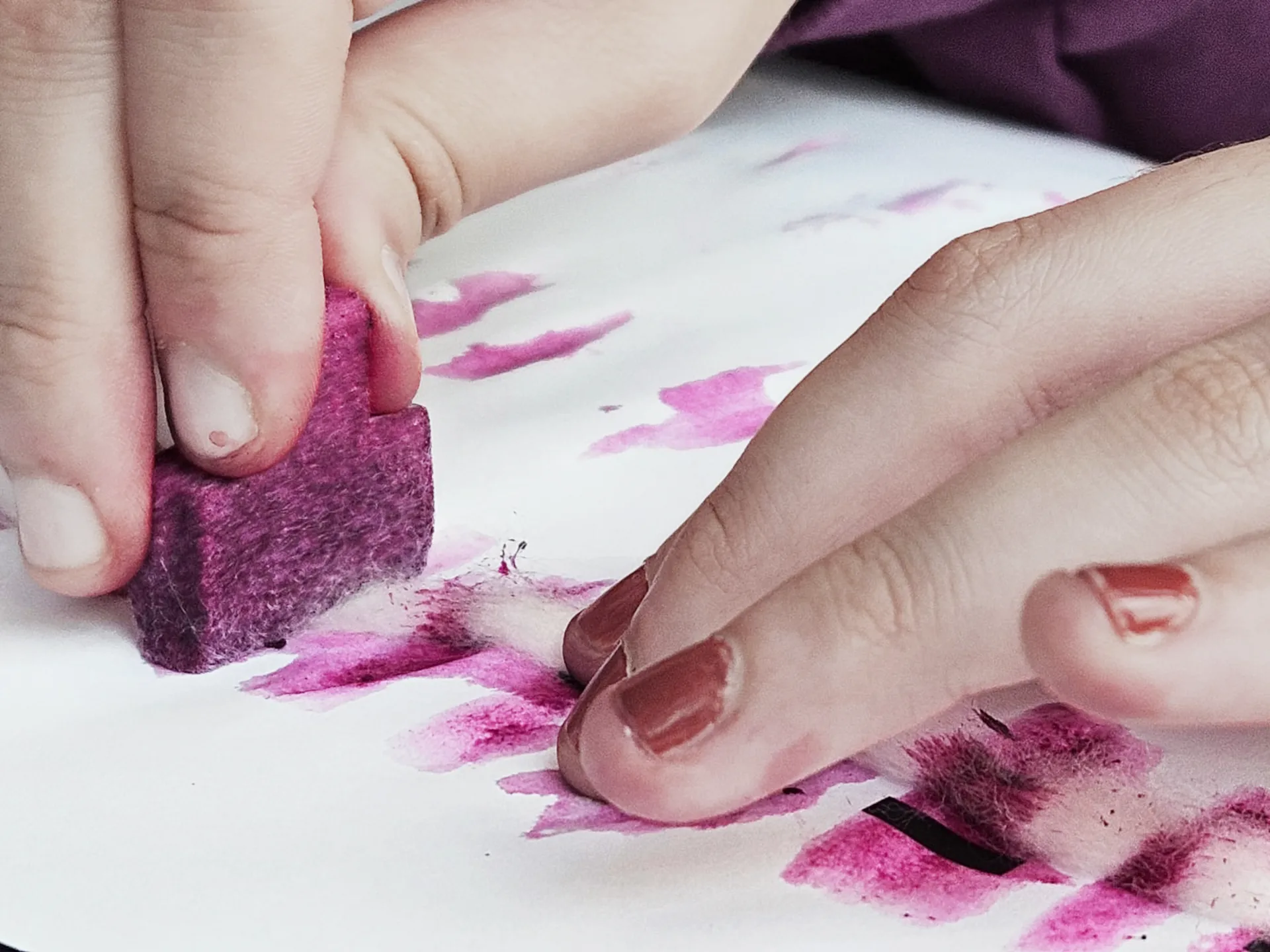
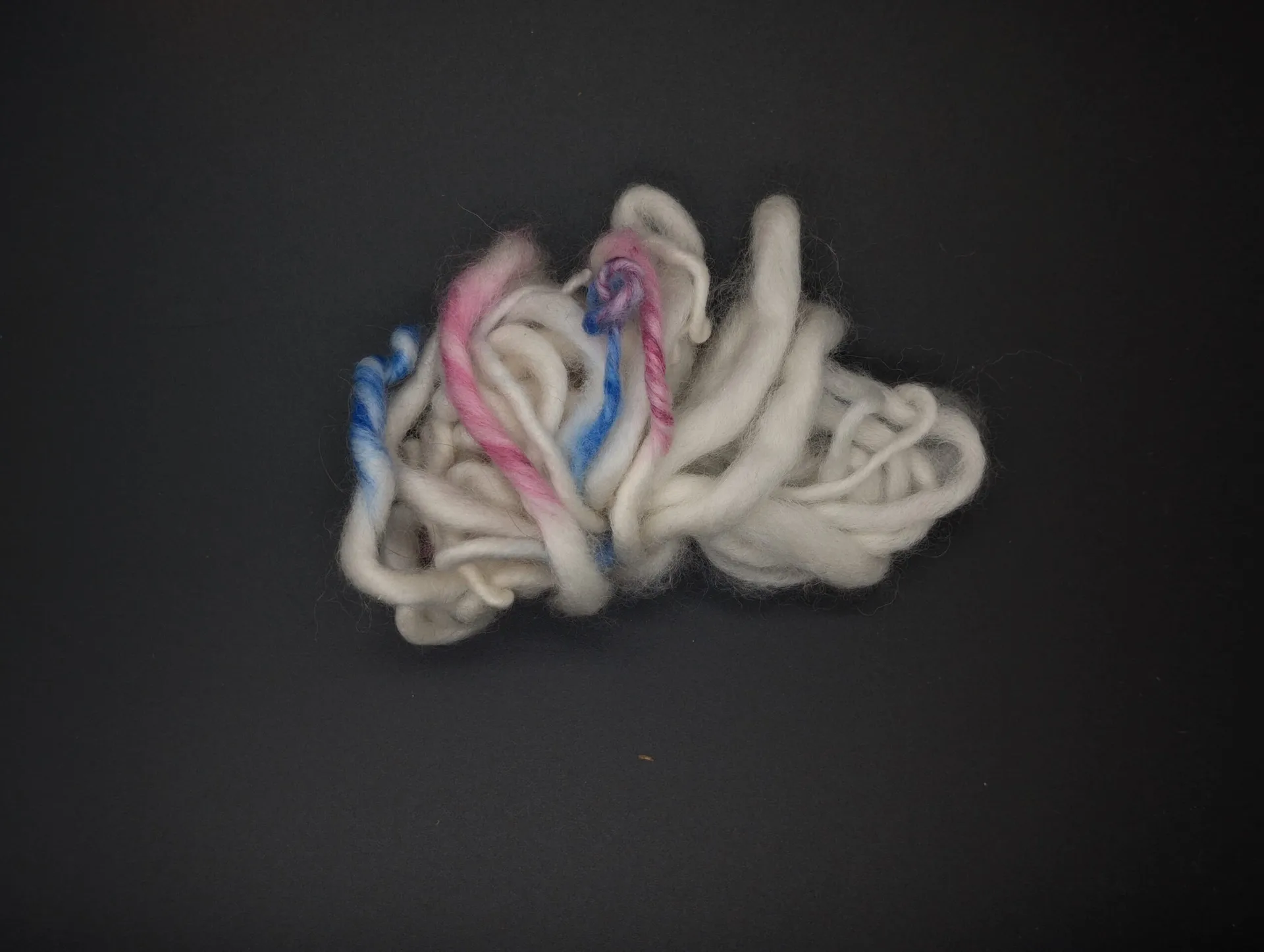
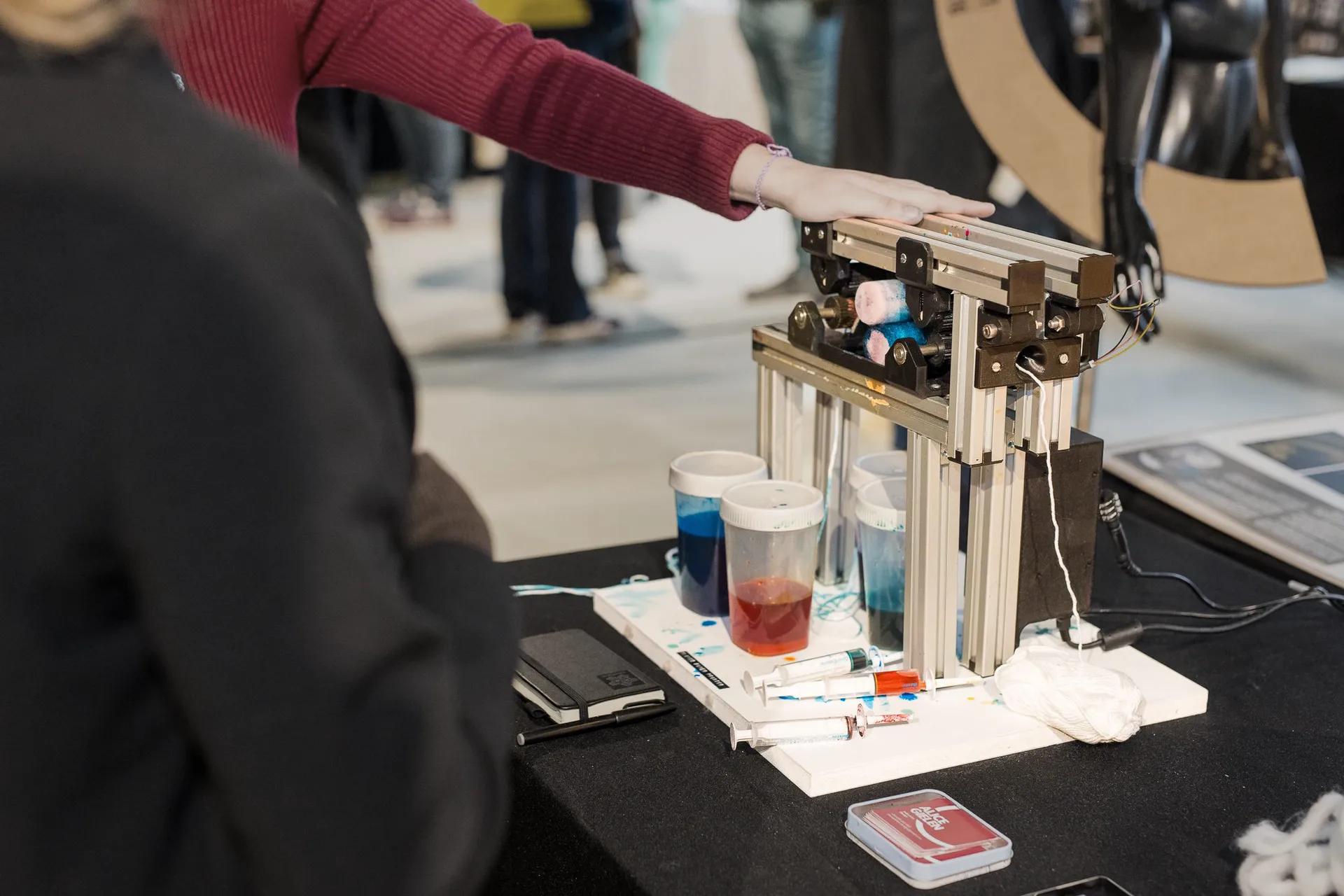
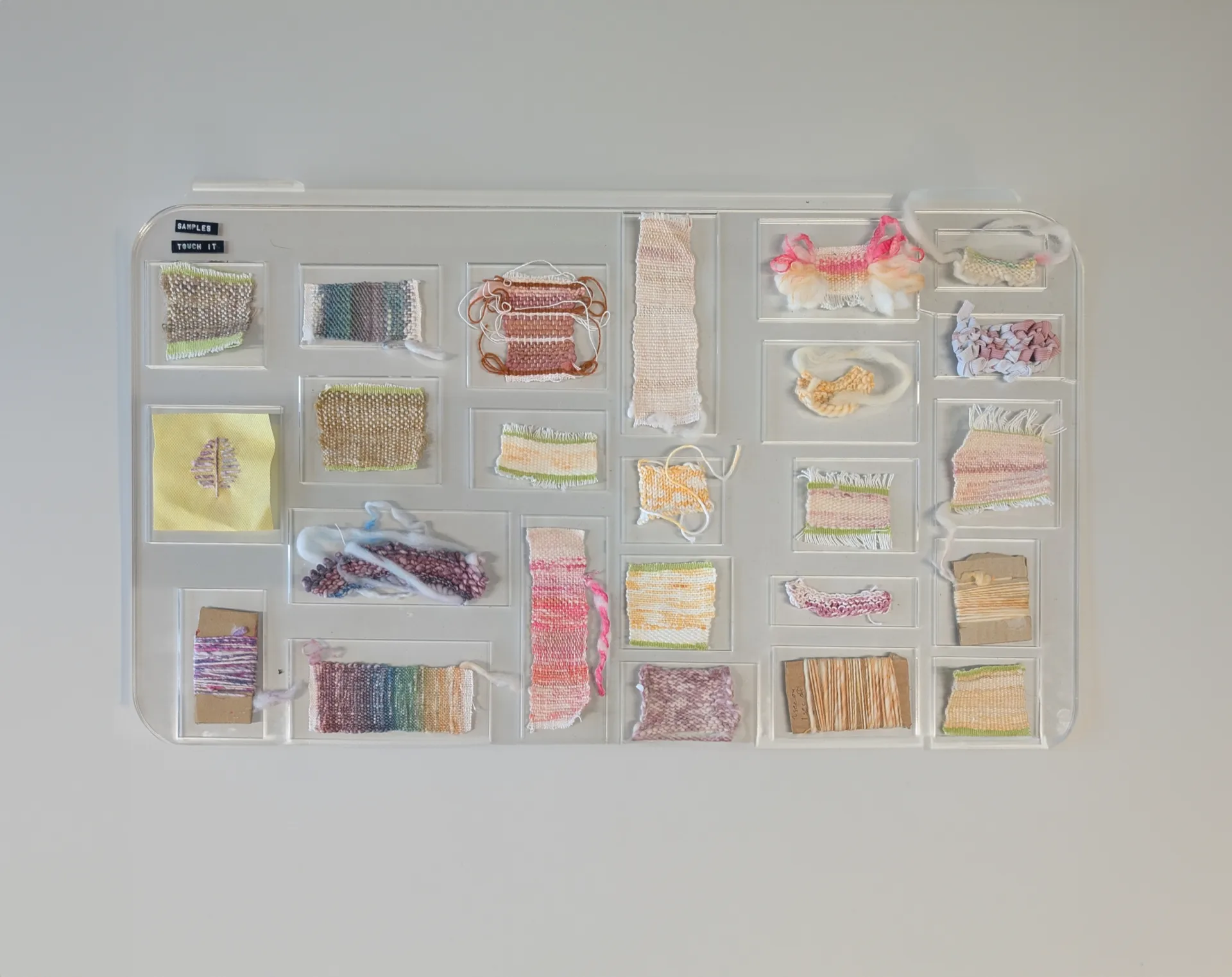
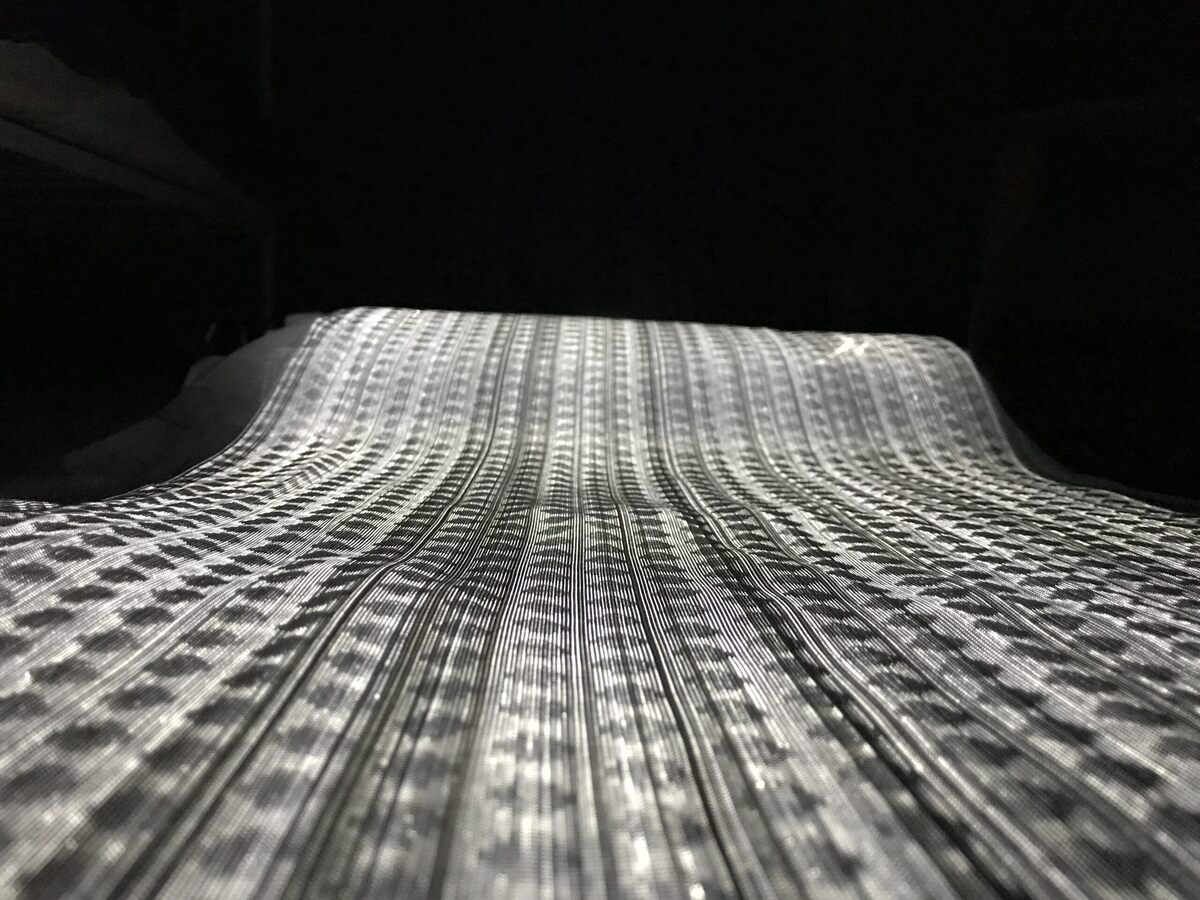
Studio Alice Gielen’s Sliver Fiber Printer reimagines one of textile production’s earliest stages. Instead of colouring yarn after it has been spun, the system applies dye directly onto loose fibre, known as sliver, before spinning takes place. This allows designers to programme colour sequences, gradients, mathematical patterns or even Morse code into the material itself before the yarn has been created. Better still, those sequences can be adjusted live, turning colour development into an active dialogue between designer, machine and material. The technology is impressive.The shift in creative ownership is even more significant.
Rethinking the Relationship Between Humans and Machines
Many of us know that it is automation is often framed as something that replaces human creativity. Studio Alice Gielen proposes something altogether different.
Anstatt Maschinen als Werkzeuge zu betrachten, die lediglich Anweisungen ausführen, schafft der „Sliver Fiber Printer” Raum für Zusammenarbeit. Programmierte Logik, Materialverhalten und menschliche Intuition beeinflussen sich während des gesamten Herstellungsprozesses gegenseitig, sodass unerwartete Ergebnisse Teil des Designs selbst werden können.
As Alice explains: “I aim to contribute to a growing discourse that views machines not merely as tools of production but as partners in the creative process, capable of influencing both the method and the art of making.”
It is an idea that feels increasingly relevant as artificial intelligence and computational design become part of fashion’s creative landscape. Perhaps the future is not about humans versus machines. Perhaps it is about learning how to create together.
A Different Way to Build Textile Systems
The Sliver Fiber Printer does more than expand creative possibilities.
By moving colour decisions to an earlier stage in the production process, it gives independent designers, craftspeople and small studios greater control over experimentation while supporting small-batch production through a closed-loop, zero-water-waste dyeing process. Rather than relying on industrial forecasting to determine available yarns, designers become authors of their own material language.
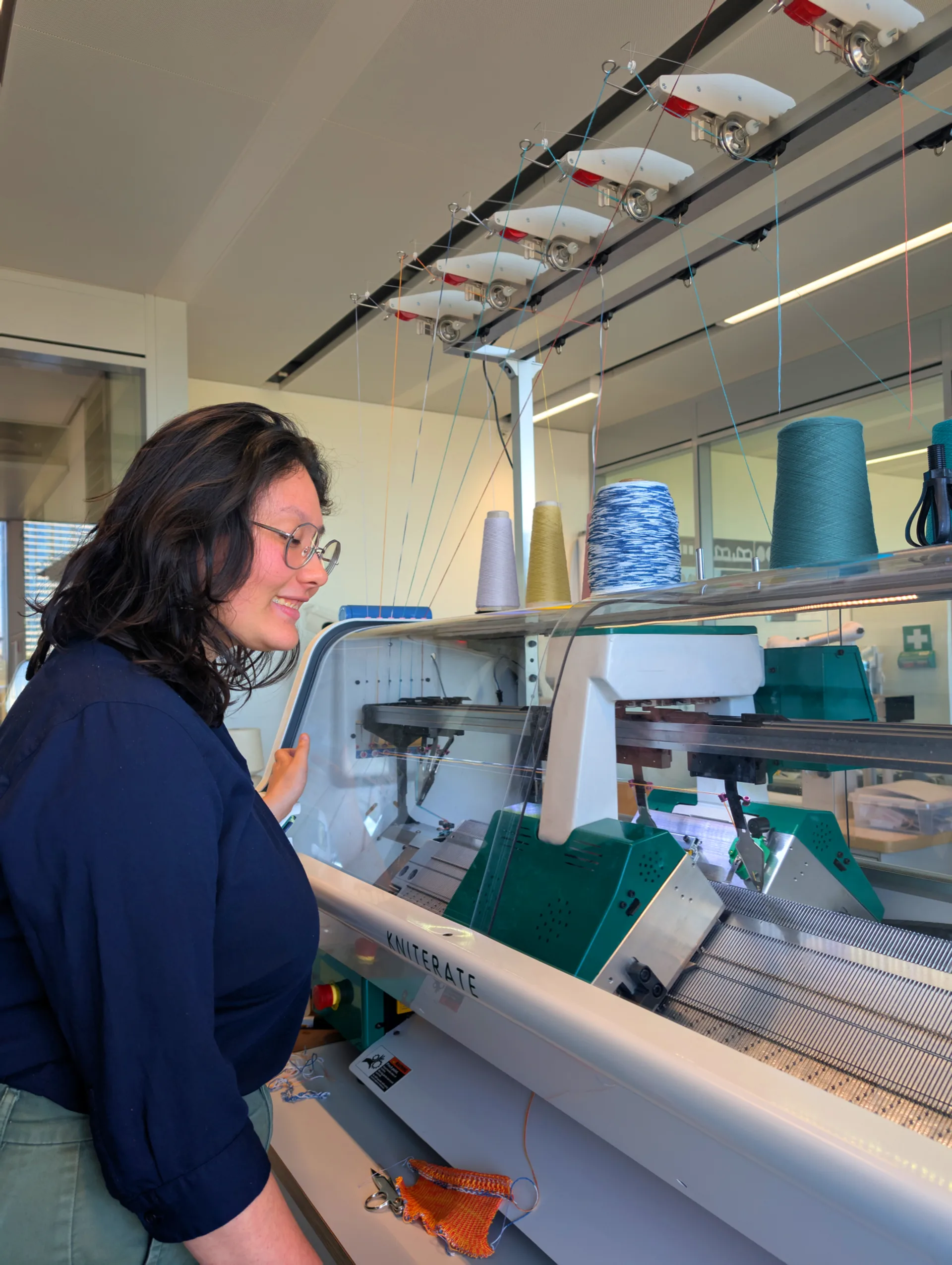
This philosophy is brought to life through KI MONO, a knitted garment inspired by Japanese kasuri and ikat traditions, where algorithmic colour sequences become wearable expressions of both cultural heritage and computational design. It demonstrates that innovation can honour tradition while simultaneously expanding its possibilities.
Visitors exploring the Sustainable Innovation space at Munich Fabric Start between 14-16 July 2026, will discover a project that asks a deceptively simple question will encounter more than a new textile machine.
They will encounter a new way of thinking about authorship. Because perhaps the future of textile innovation isn’t simply about making better materials. Perhaps it is about giving designers back the freedom to shape them from the very beginning.