For years, the fashion and textile industry has been trying to answer one question: How can we make products last longer?
So far, the answers have focused primarily on more durable fibres, better craftsmanship and more sustainable materials. But what if longevity isn’t just about how long a product lasts? What if it’s about how many different lives it can lead?
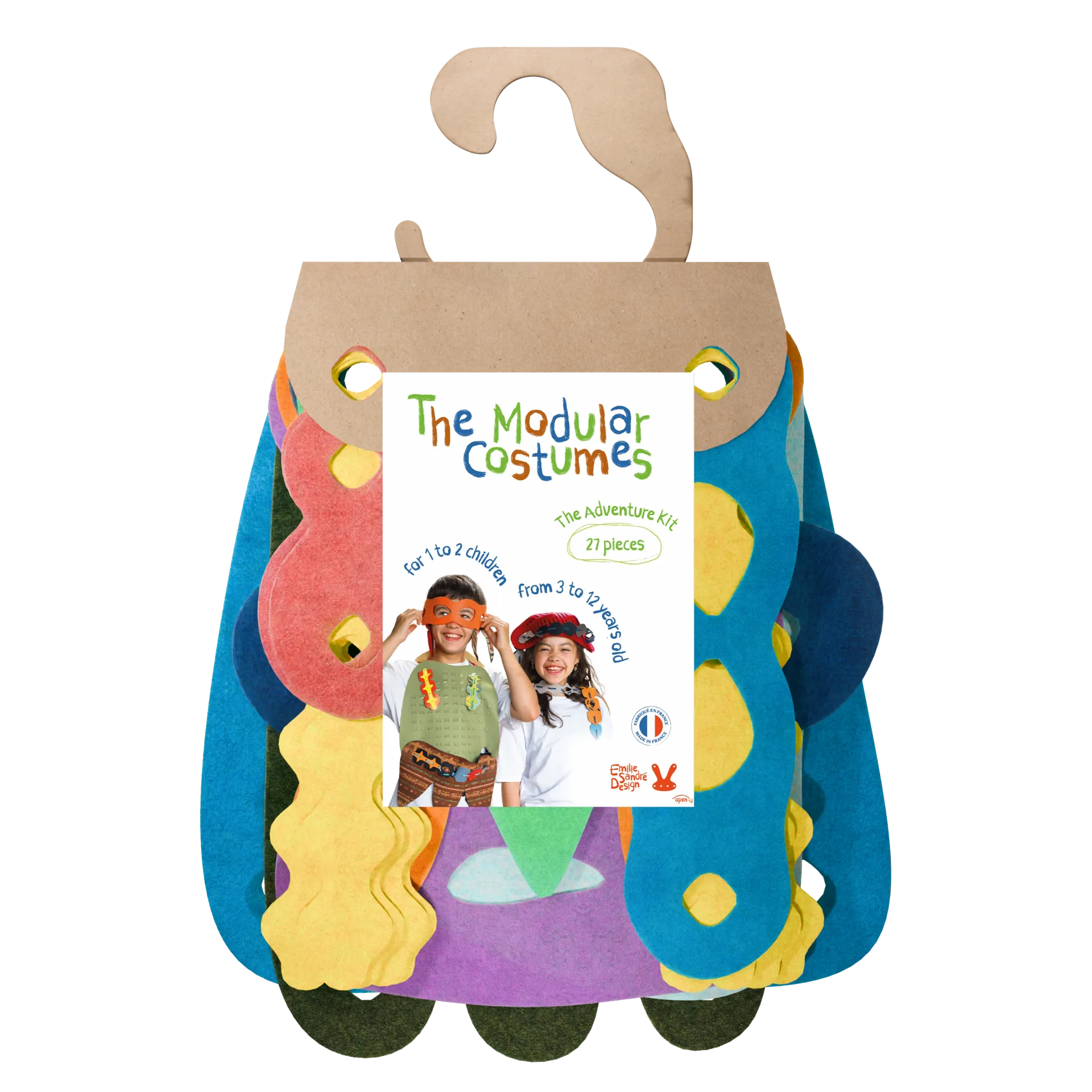
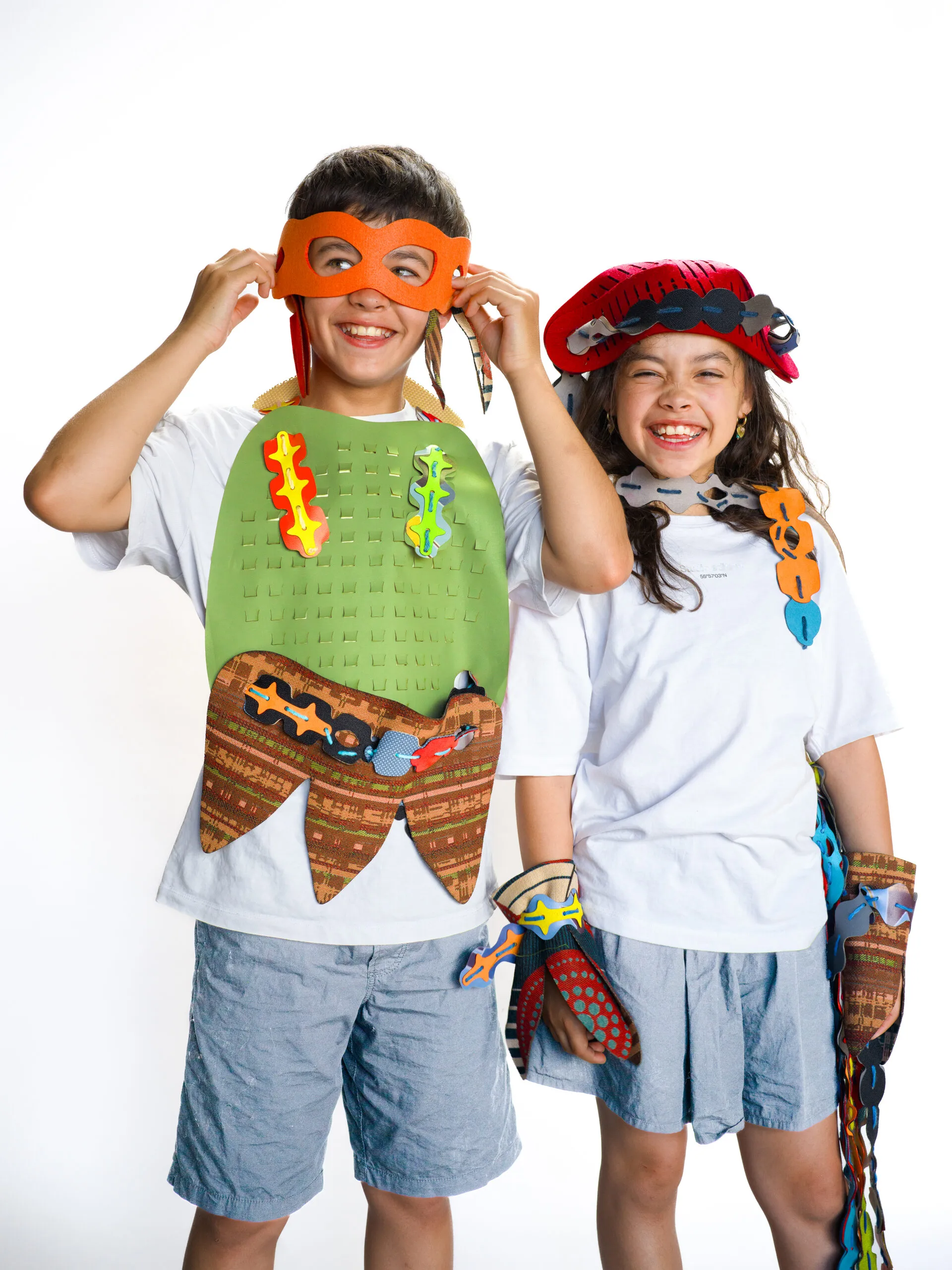
Visitors to the “Sustainable Innovation” area at MUNICH FABRIC START will discover a project that puts precisely this question at its centre: “The Modular Costumes” by Emilie Sandré Design.
Design for the Imagination
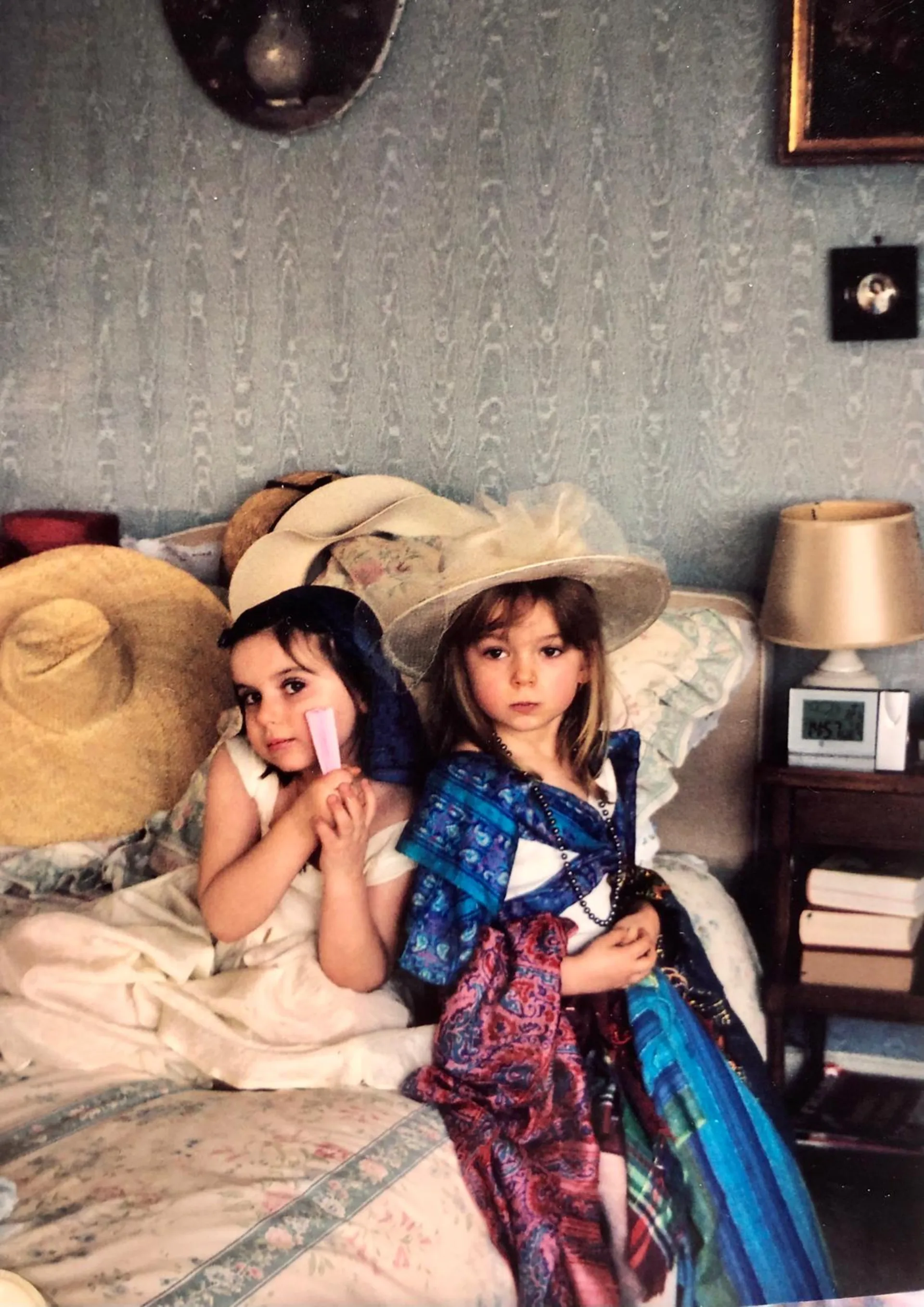
For many of us, dressing up began long before we ever owned a costume. A scarf became a cape. A belt became a sword. A pair of oversized shoes transformed us into someone entirely different. Designer Emilie Sandré remembers that feeling well.
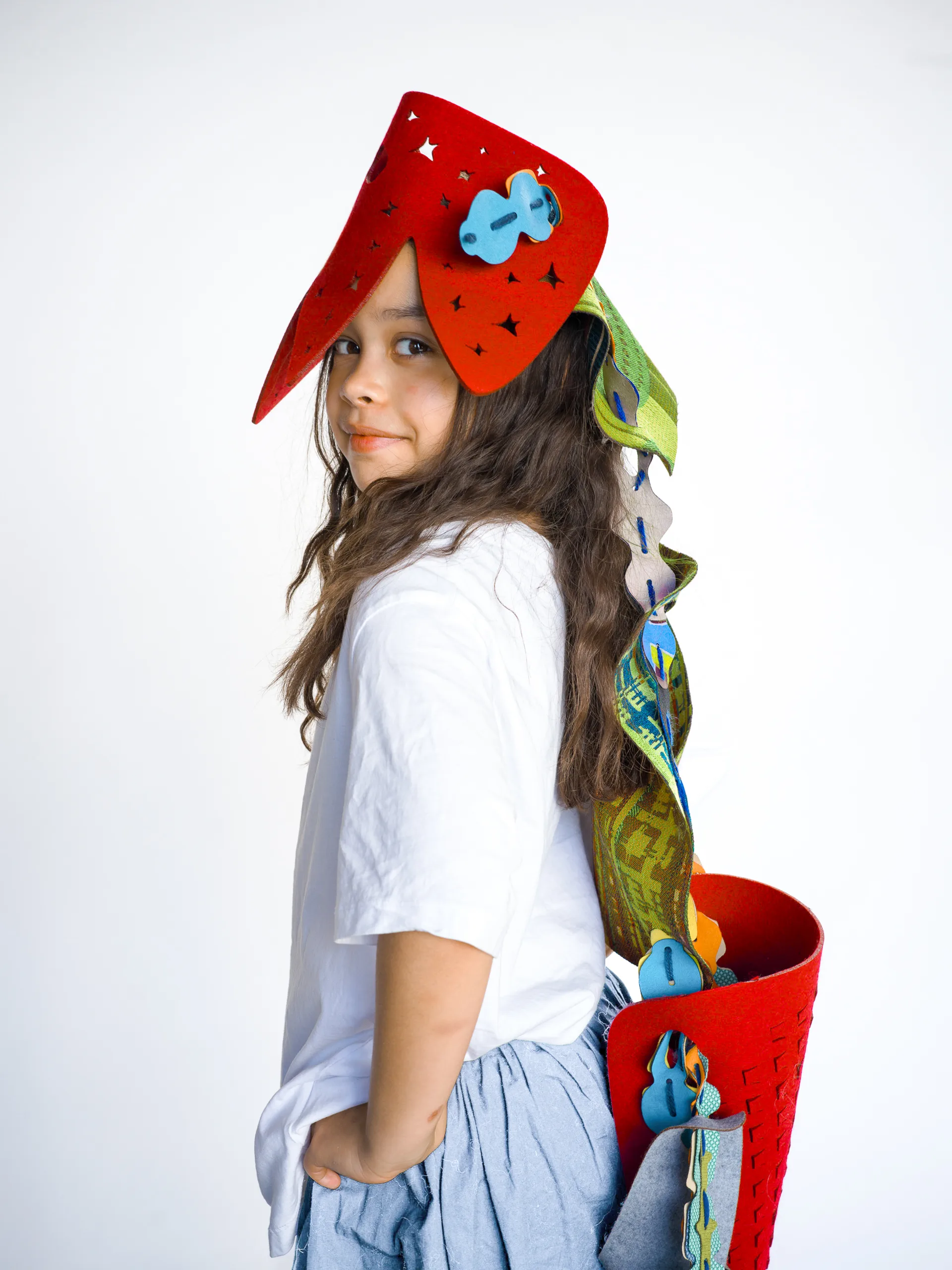
As a child, she loved combining scarves, jewellery and accessories from her grandmother’s wardrobe to create her own characters. But with today’s children’s costumes, the story is often already written: pirate, princess or knight – leaving little room for imagination. The “Modular Costumes” were created to change that.
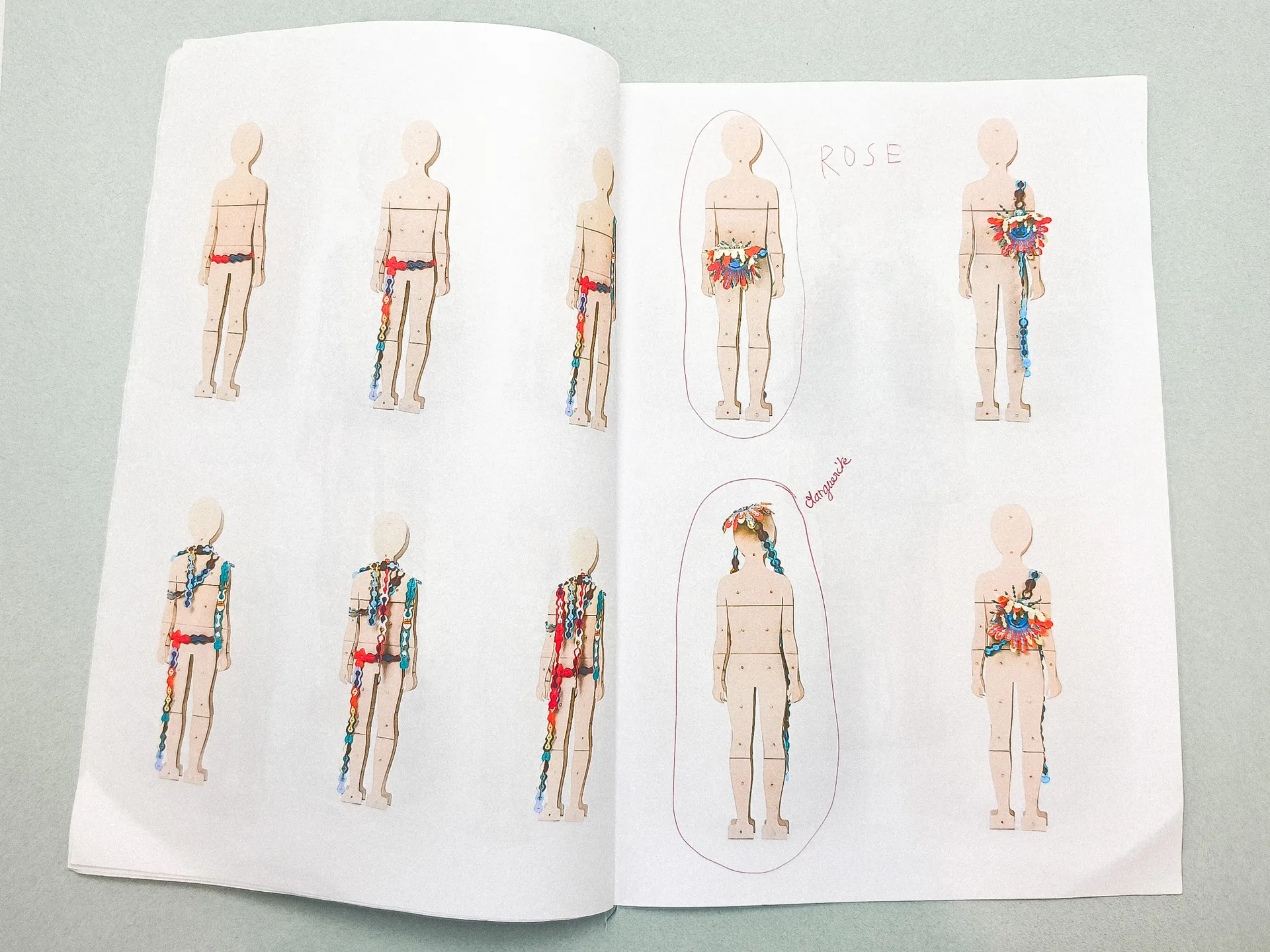
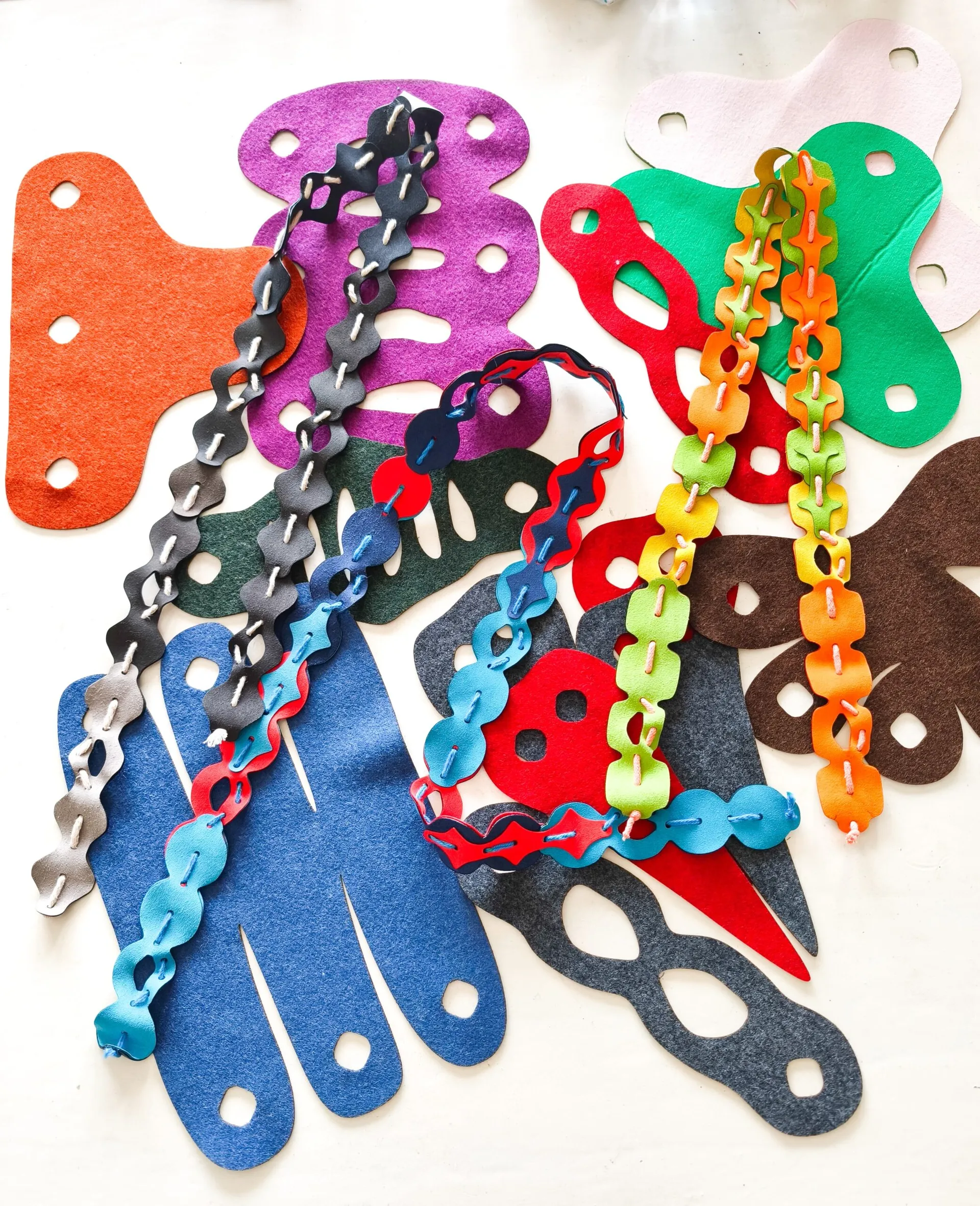
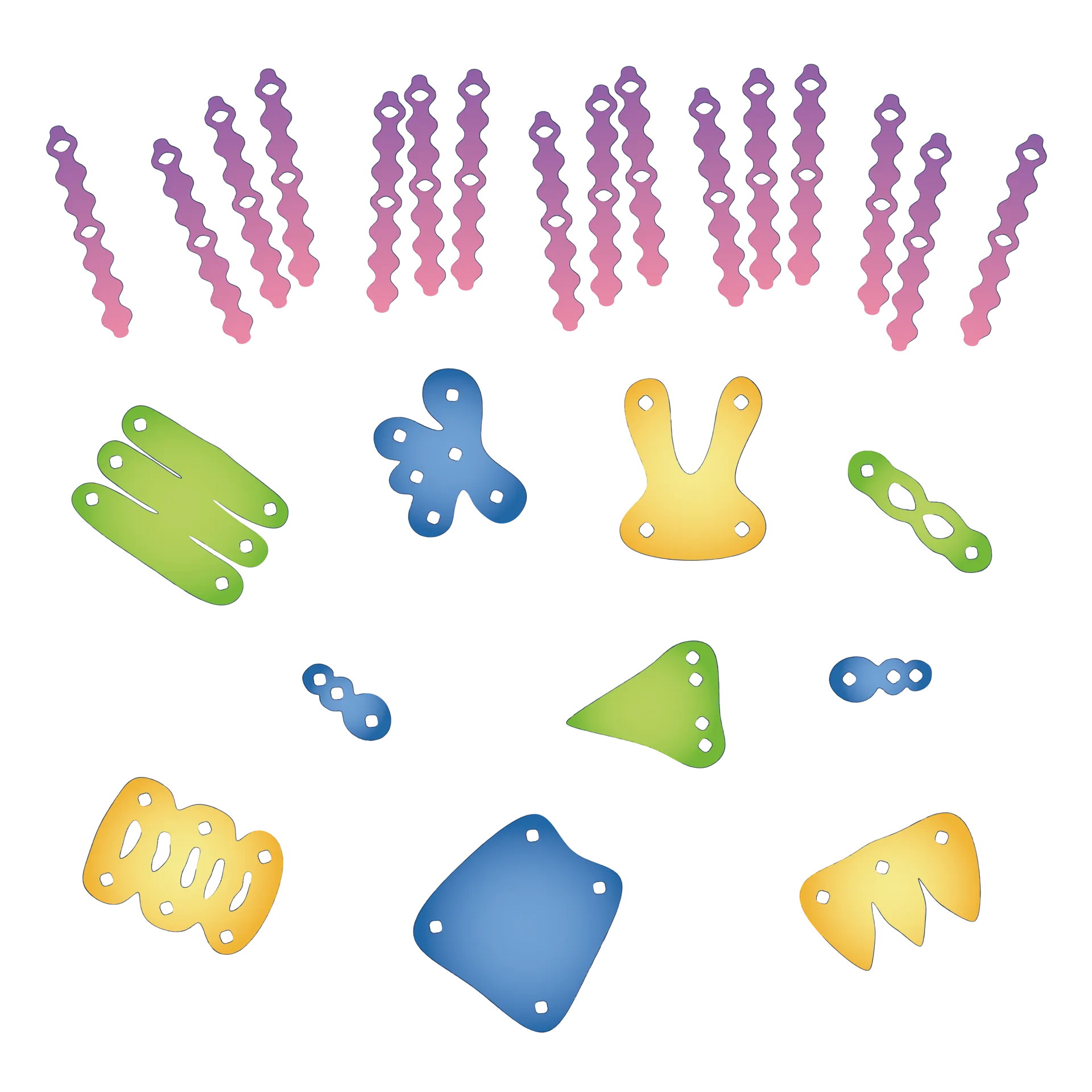
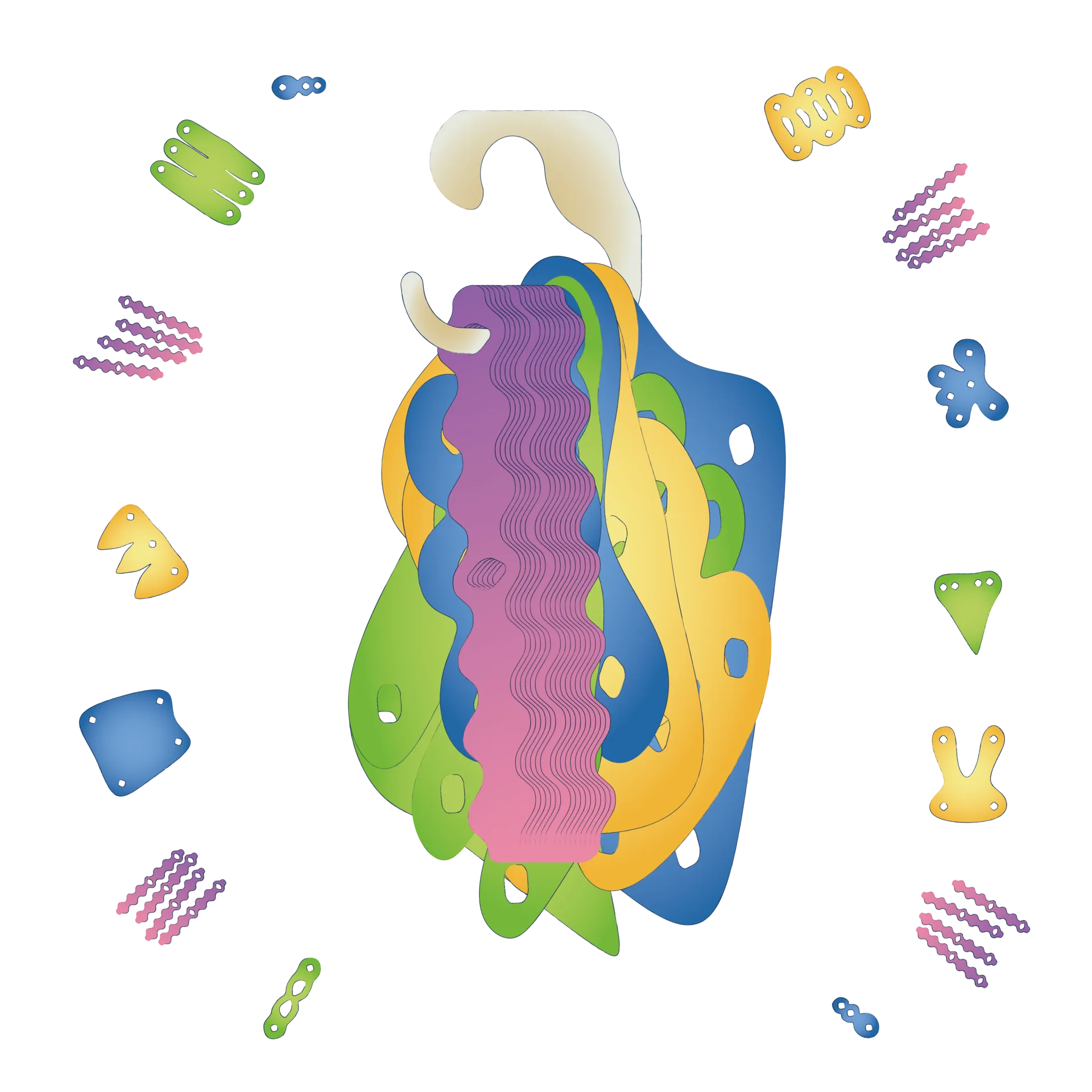
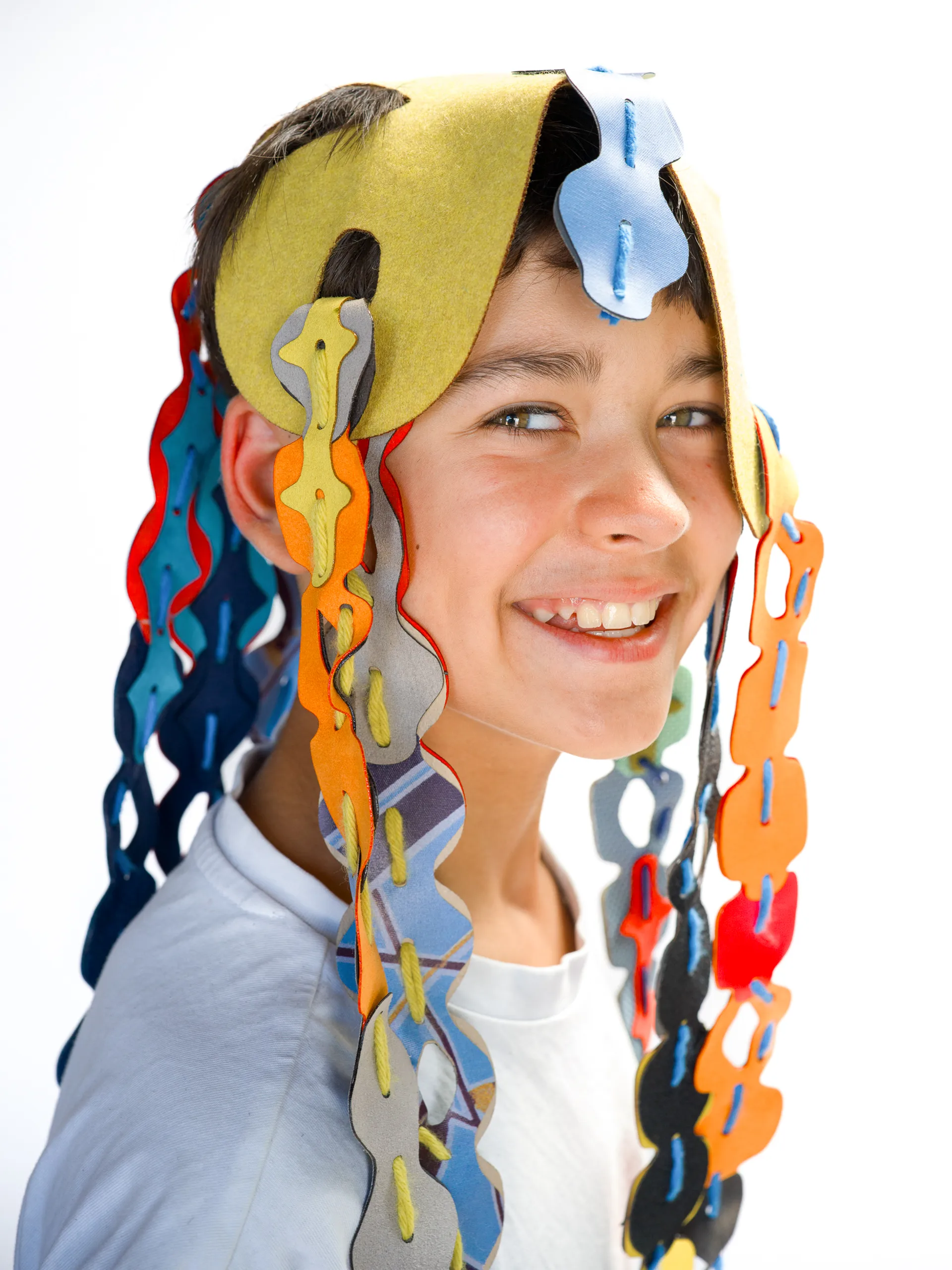
Instead of designing finished costumes, Emilie developed a system of interchangeable modules and connectors that children can assemble themselves. There are no predefined characters, no set stories and no rules other than curiosity. Every new combination becomes another opportunity to tell a story.
Modularity Beyond Function
Modularity is not a new concept. For decades, it has shaped architecture, furniture and industrial design. Applying it to soft textiles, however, opens up an entirely new dimension.
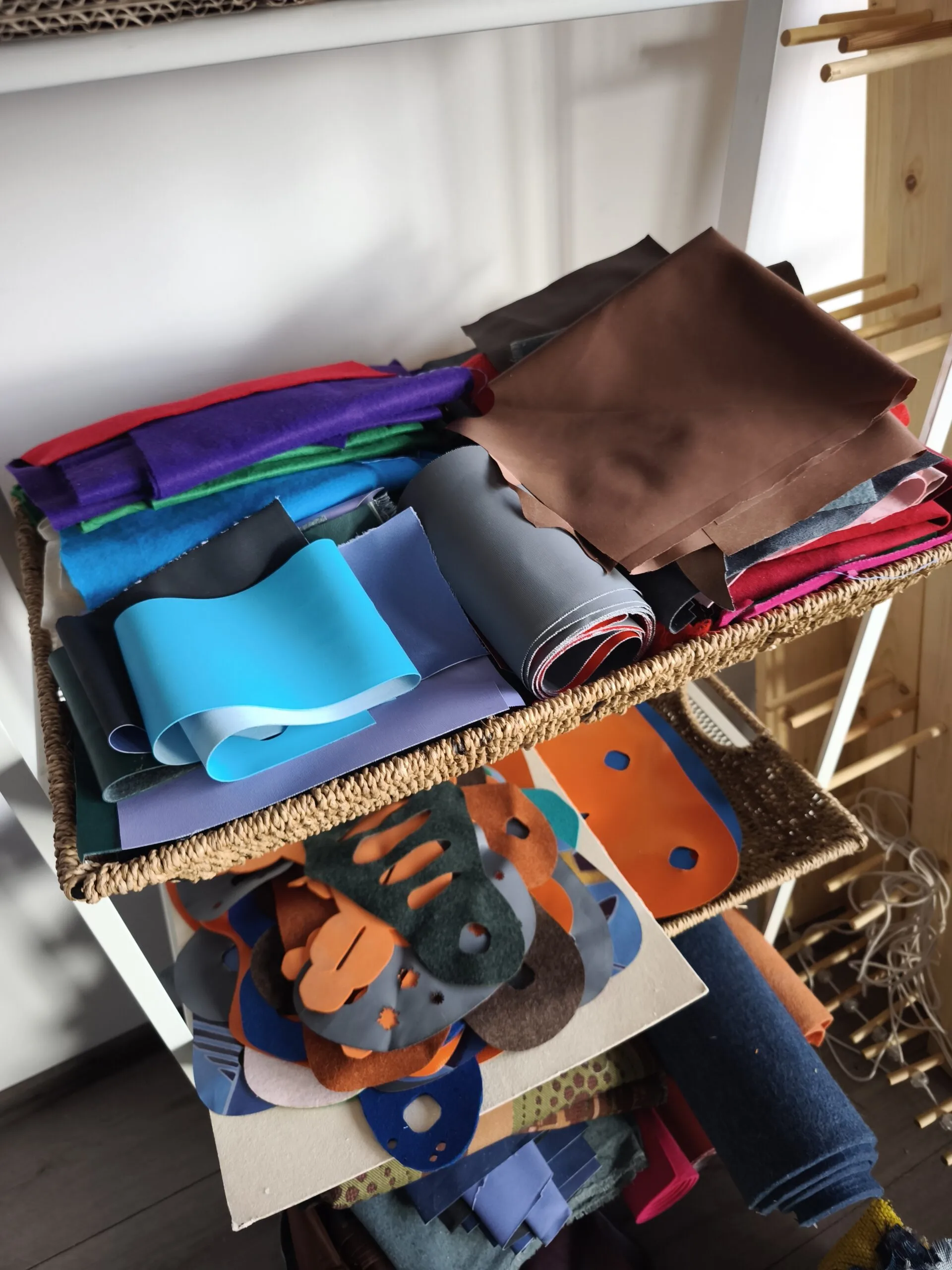
Each component of “The Modular Costumes” is laser-cut in Paris from luxurious deadstock fabrics and sample books that would otherwise be difficult to repurpose. However, the project’s greatest contribution goes beyond simply reusing materials.
It is the idea that products designed for continuous reinvention are inherently less likely to become obsolete. A costume is no longer a single object with a limited purpose. Instead, it becomes an evolving creative system that grows alongside its wearer through endless possibilities for combination.
After all, innovation isn’t always about creating something new. Sometimes, it’s about turning one product into many.
Design for Play
Perhaps the most compelling aspect of “The Modular Costumes” is the way it places play at the heart of sustainable design.
In a world increasingly shaped by digital experiences, Emilie invites children to engage with materials through touch, experimentation and imagination. Getting dressed becomes a creative act that encourages curiosity rather than consumption. Workshops in schools, cafés and exhibition spaces extend this philosophy beyond the product itself, creating shared experiences that celebrate creativity and the joy of discovery.
Visitors exploring the “Sustainable Innovation” area at MUNICH FABRIC START from 14 to 16 July 2026 will discover far more than an innovative children’s product. They will encounter a different way of thinking about design itself.
Because perhaps the greatest form of longevity cannot be measured in years. It can be measured in possibilities.
It is worth remembering that the products we value most are often those that continue to surprise us – inviting us to reinterpret, reinvent and reimagine them long after they first became part of our lives.