Here’s what to look for in Leather Alternatives at ReSOURCE
ReSource / Sustainability
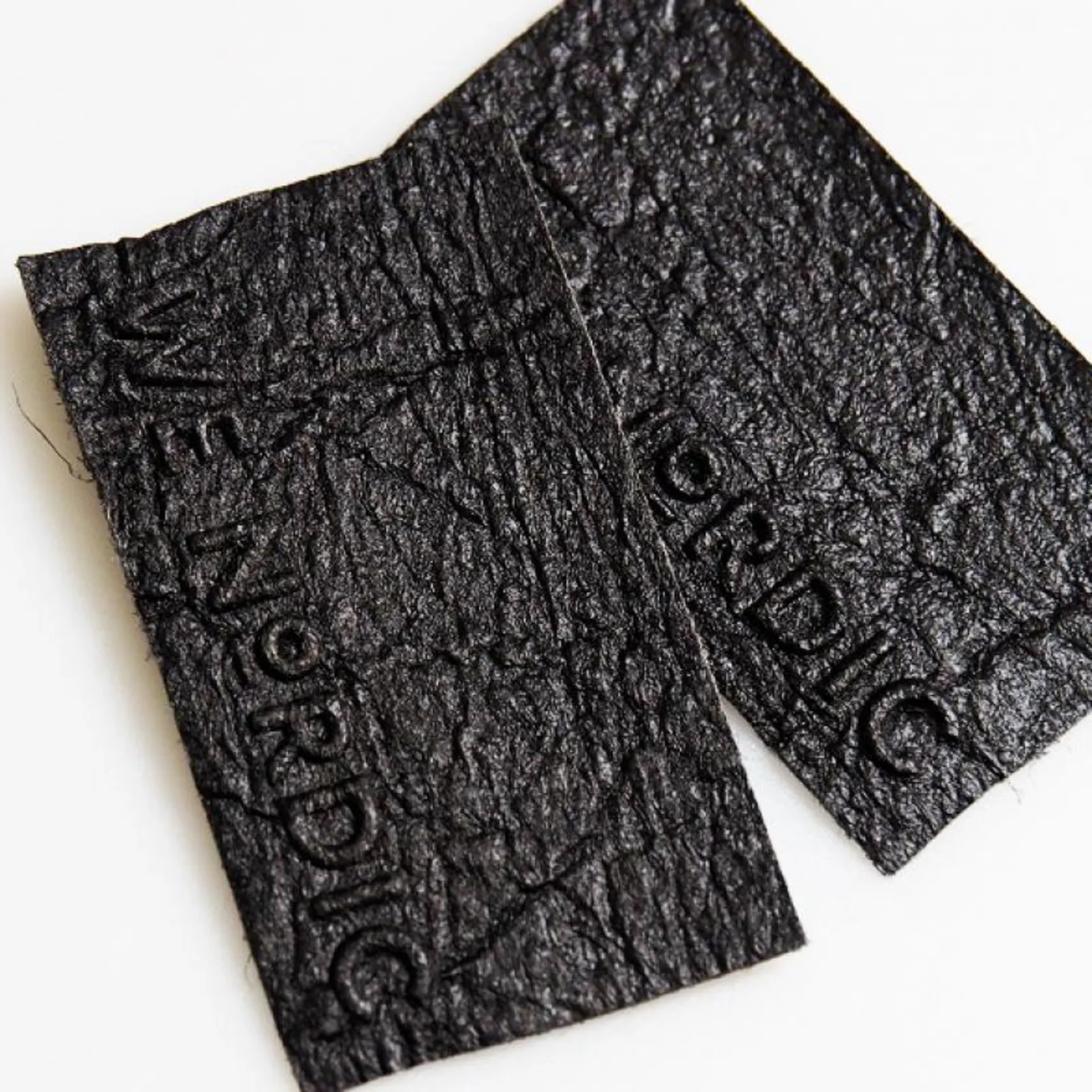
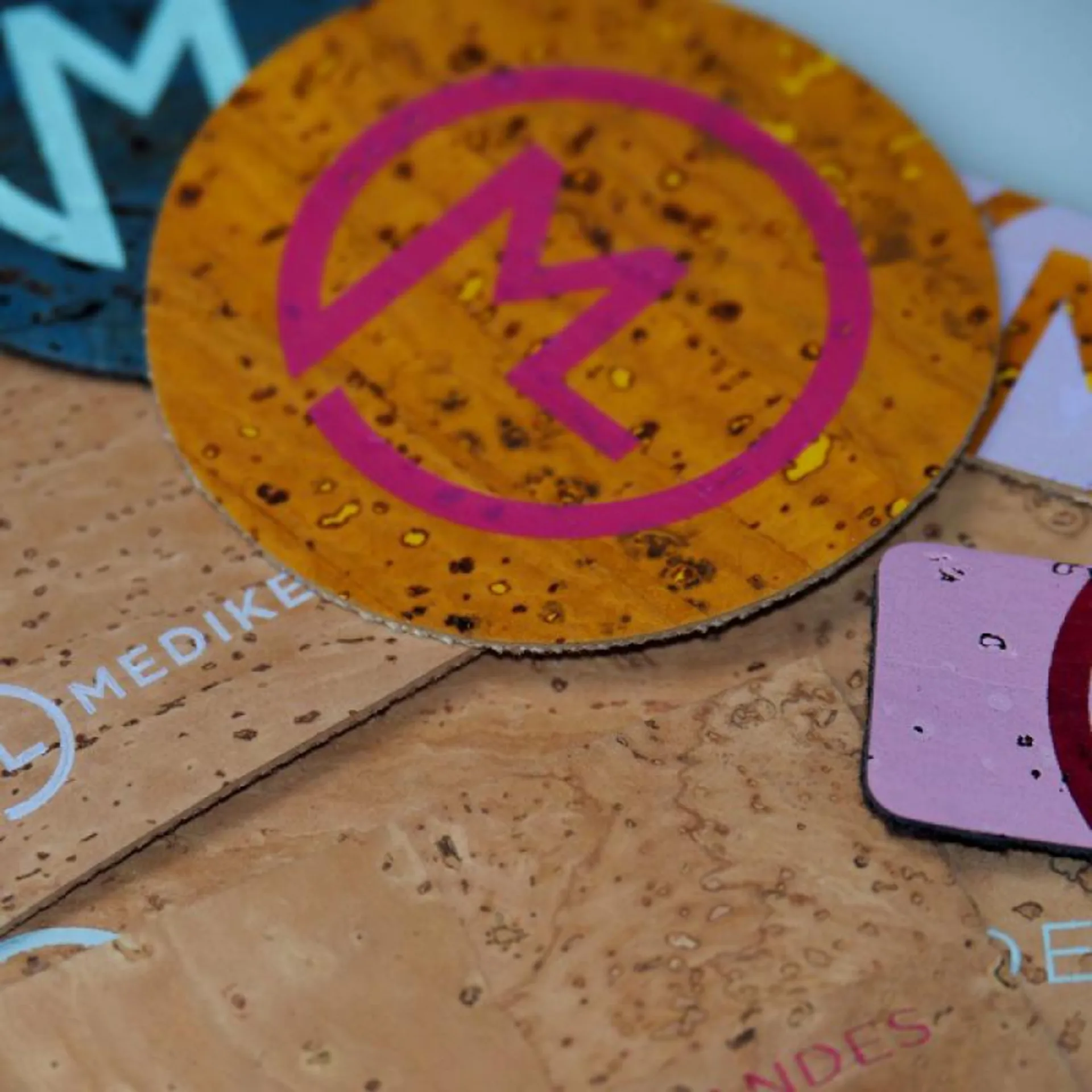
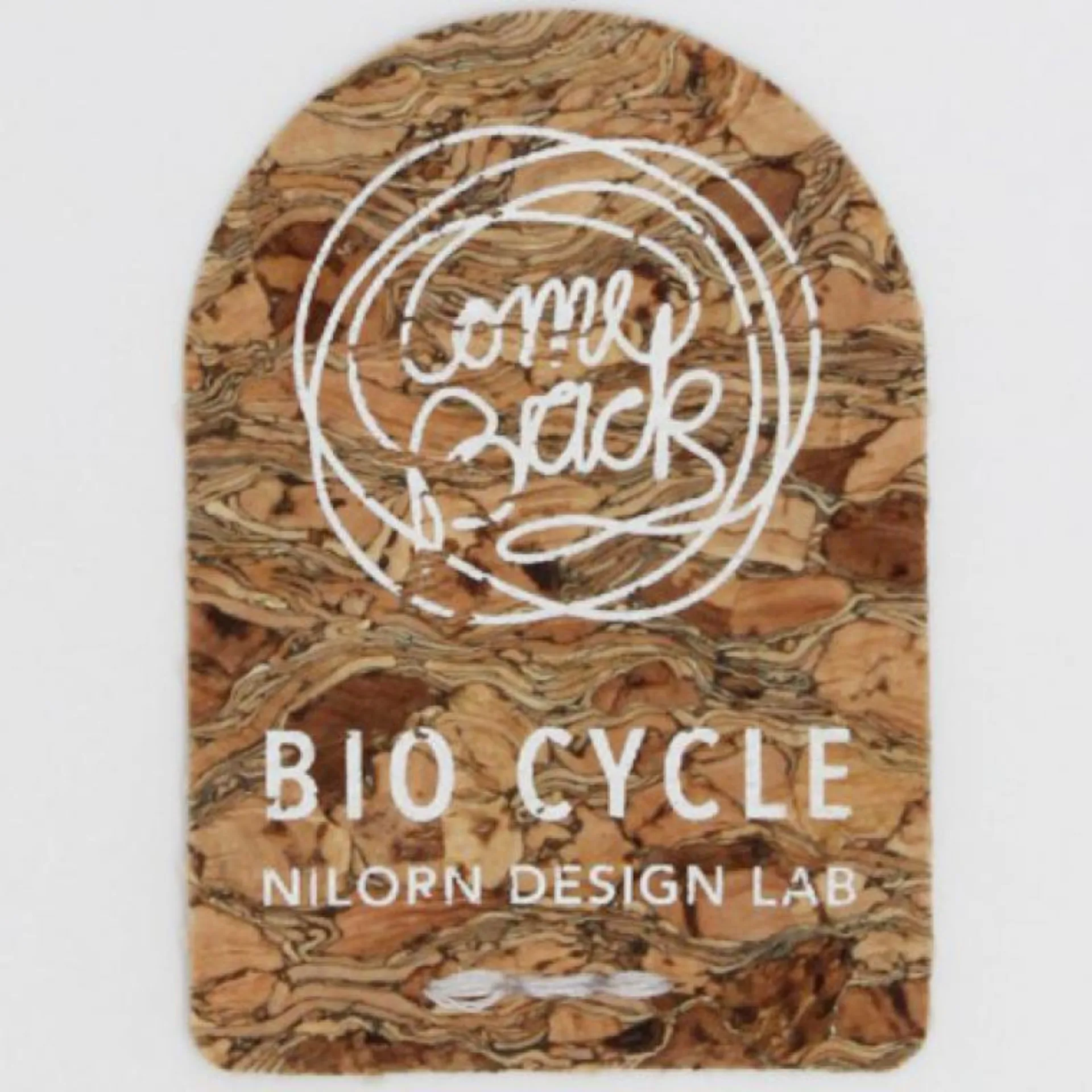
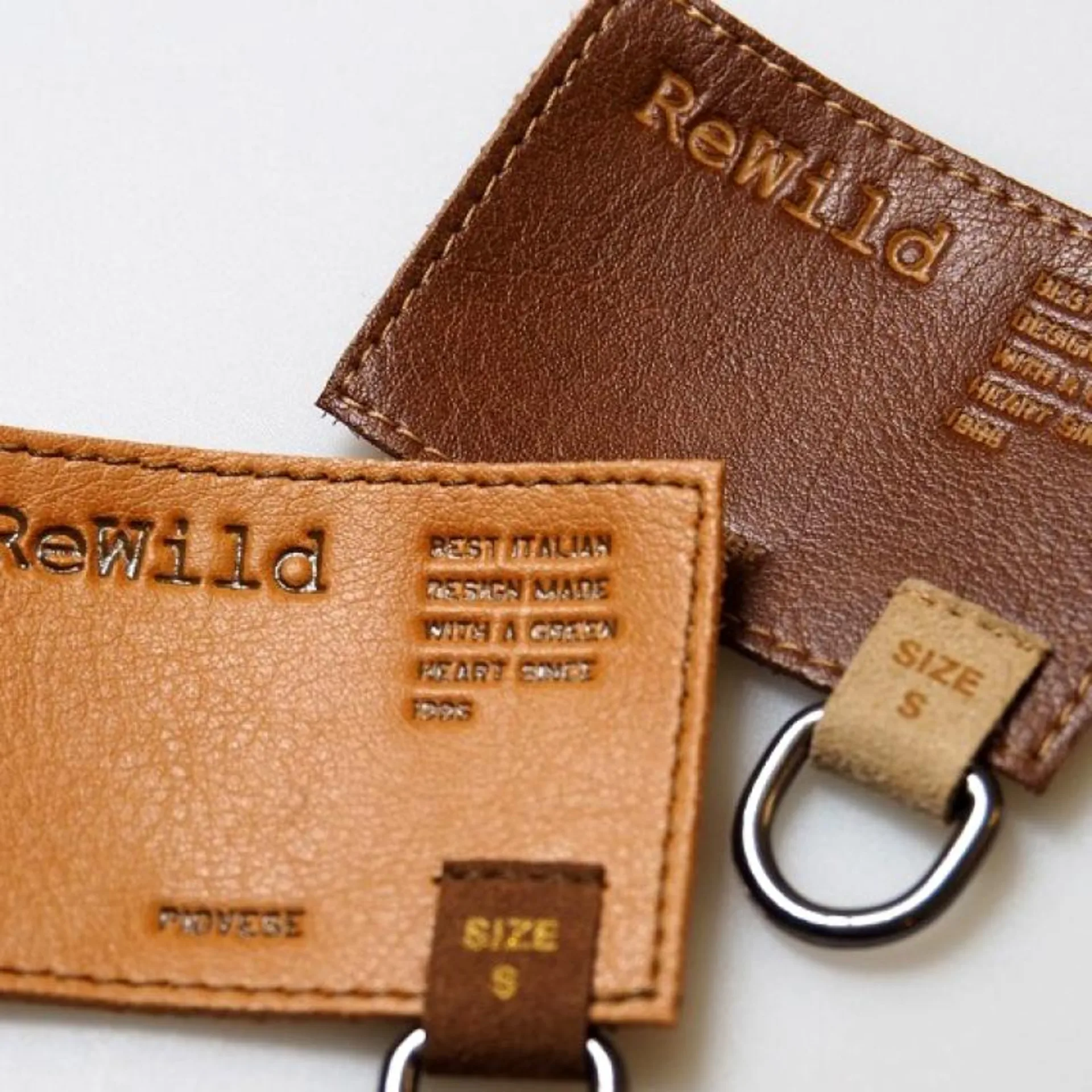
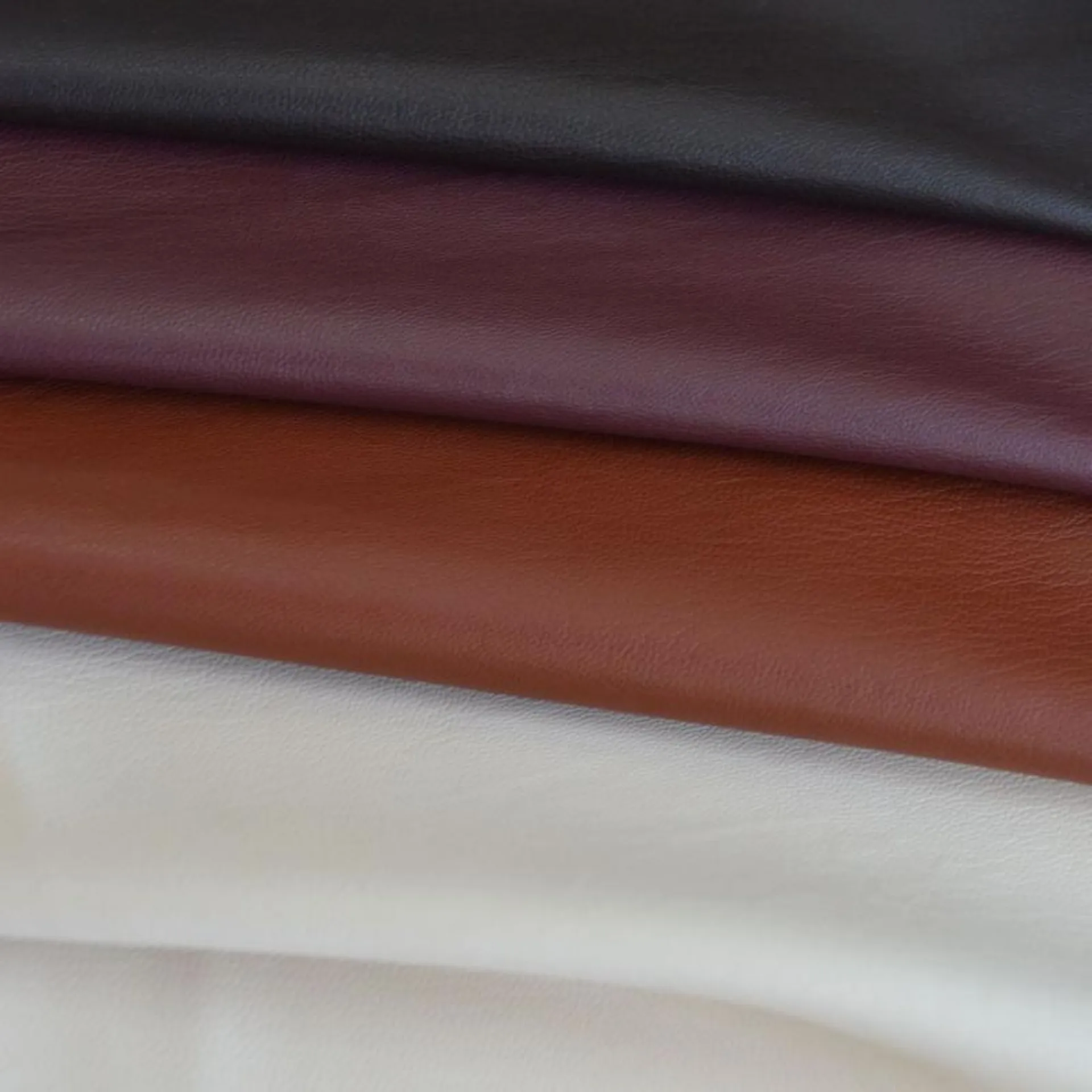
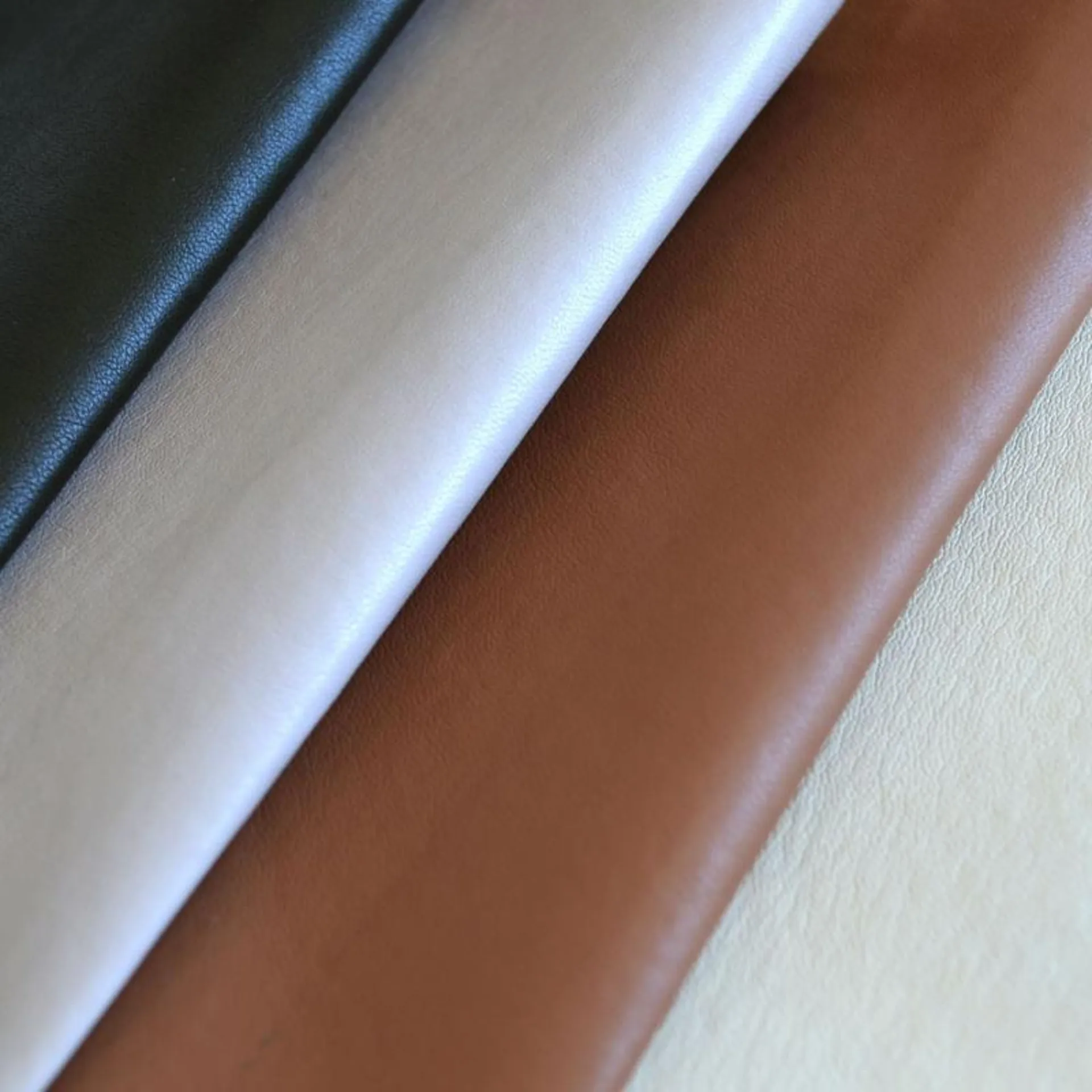
Whatever has led you here, you are already thinking about the reasons a brand has for choosing between the seemingly massive range of leathers and leather alternatives available. This decision usually begins with a basic understanding of the manufacturing processes in order to decide, does the final material reflect brand values, share brand beliefs and share the same innovative approach? To help choose the best option for you, we provide material highlights from our recent showcase on ReSOURCE to directly connect you with industry partners who can support in your next steps.
There are over 50 kinds of sustainable textile and material certifications used across our materials showcased online and at our shows with ReSOURCE. Get to know which 4 you should be familiar with when it comes to sourcing sustainable leathers and leather alternative materials:
Leather Standard by Oeko-Tex
Specifically tailored to leather articles which have been tested for harmful substances. Certification can be awarded for leather semi-finished products, finished leather, leather fibre materials up to finished articles and accessories.
…using real leather
…looking for real or alternative leathers produced with reduced use of chemicals
…making sure your leather products are harmless to health
Standard 100 by Oeko-Tex
All types of textiles that have been tested for harmful substances, from yarns to the finished product, may bear the STANDARD 100 product label.
Look for Oeko-Tex 100 certified materials if you are interested in:
…certified materials with an innovative approach
Look for Cradle to Cradle certified materials if you are interested in:
…products that are harmless to health
V-Label by European Vegetarian Union (EVU)
The only requirement of this certificate is that the product is vegan/vegetarian, meaning the product must not contains products of animal origin; no animal auxiliaries may be used during the production process.
…making sure materials are vegan, cruelty-free and animal-friendly
…authentically integrating this attribute into your marketing and brand communication
…supporting the development of further innovative vegan textile and accessory alternatives
Cradle to Cradle by Cradle to Cradle (C2C)
Cradle to cradle (C2C) is an approach to a continuous and consistent recycling management. “Cradle-to-cradle products” are therefore those that can either be returned to biological cycles as biological nutrients or can be continuously kept in technical cycles as “technical nutrients”.
…making sure production is geared towards reducing water consumption and promoting a closed-loop system with wet processes
Look for Cradle to Cradle certified materials if you are interested in:
…using materials that consume less energy in the supply chain, using renewable energy with minimal dependence on petrochemicals
…using materials that reduce and recycle waste throughout the textile supply chain
Free DownloadNow available in your App StoreFree DownloadNow available in your App StoreFree DownloadNow available in your App StoreFree DownloadNow available in your App StoreFree DownloadNow available in your App StoreFree DownloadNow available in your App StoreFree DownloadNow available in your App StoreFree DownloadNow available in your App Store
Free DownloadNow available in your App StoreFree DownloadNow available in your App StoreFree DownloadNow available in your App StoreFree DownloadNow available in your App StoreFree DownloadNow available in your App StoreFree DownloadNow available in your App StoreFree DownloadNow available in your App StoreFree DownloadNow available in your App Store
Free Download. Now available in your App Store
Free DownloadNow available in your App StoreFree DownloadNow available in your App StoreFree DownloadNow available in your App StoreFree DownloadNow available in your App StoreFree DownloadNow available in your App StoreFree DownloadNow available in your App StoreFree DownloadNow available in your App StoreFree DownloadNow available in your App Store
Free DownloadNow available in your App StoreFree DownloadNow available in your App StoreFree DownloadNow available in your App StoreFree DownloadNow available in your App StoreFree DownloadNow available in your App StoreFree DownloadNow available in your App StoreFree DownloadNow available in your App StoreFree DownloadNow available in your App Store
All important information, dates and practical functions at a glance in our trade fair app.