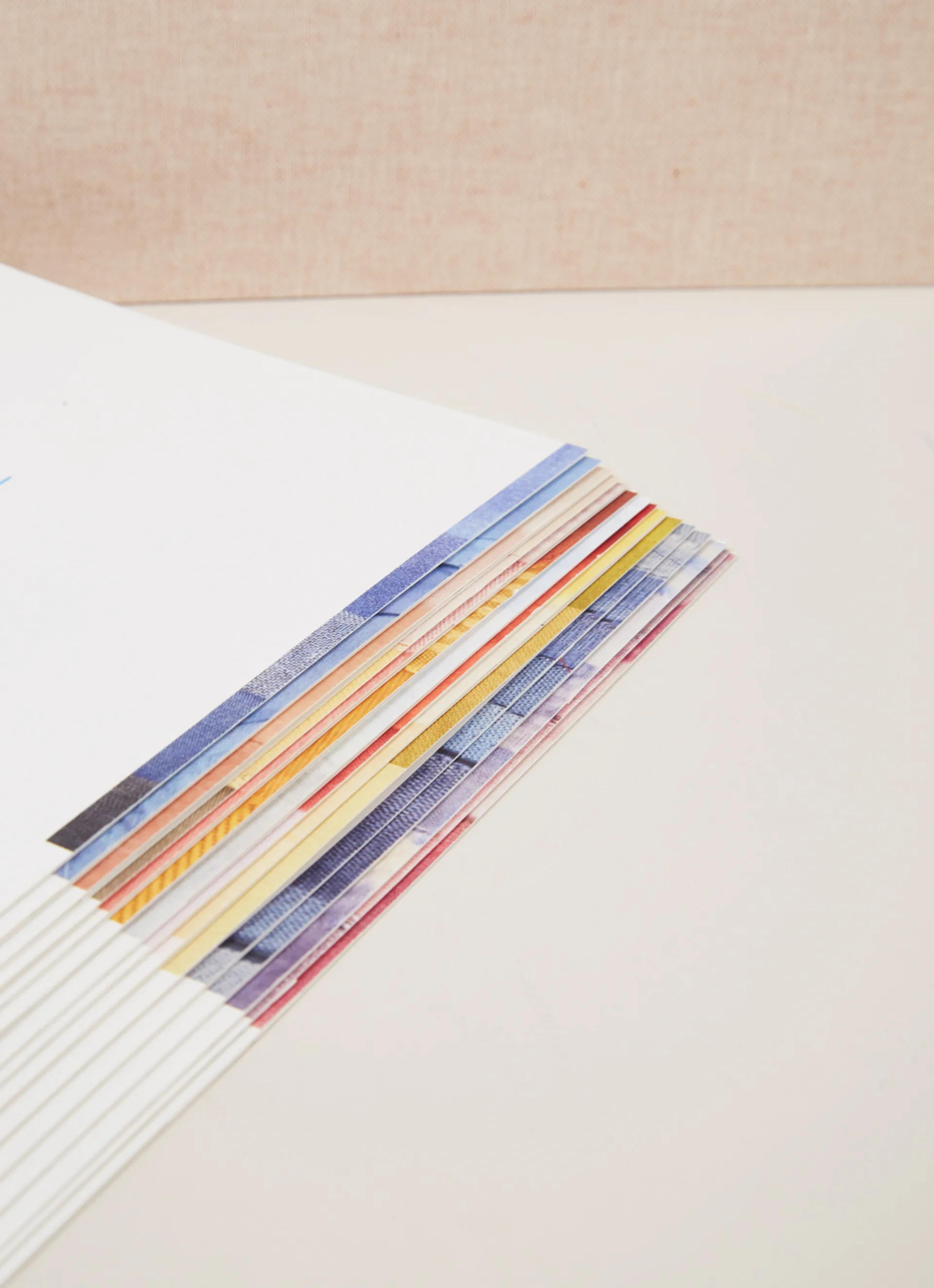
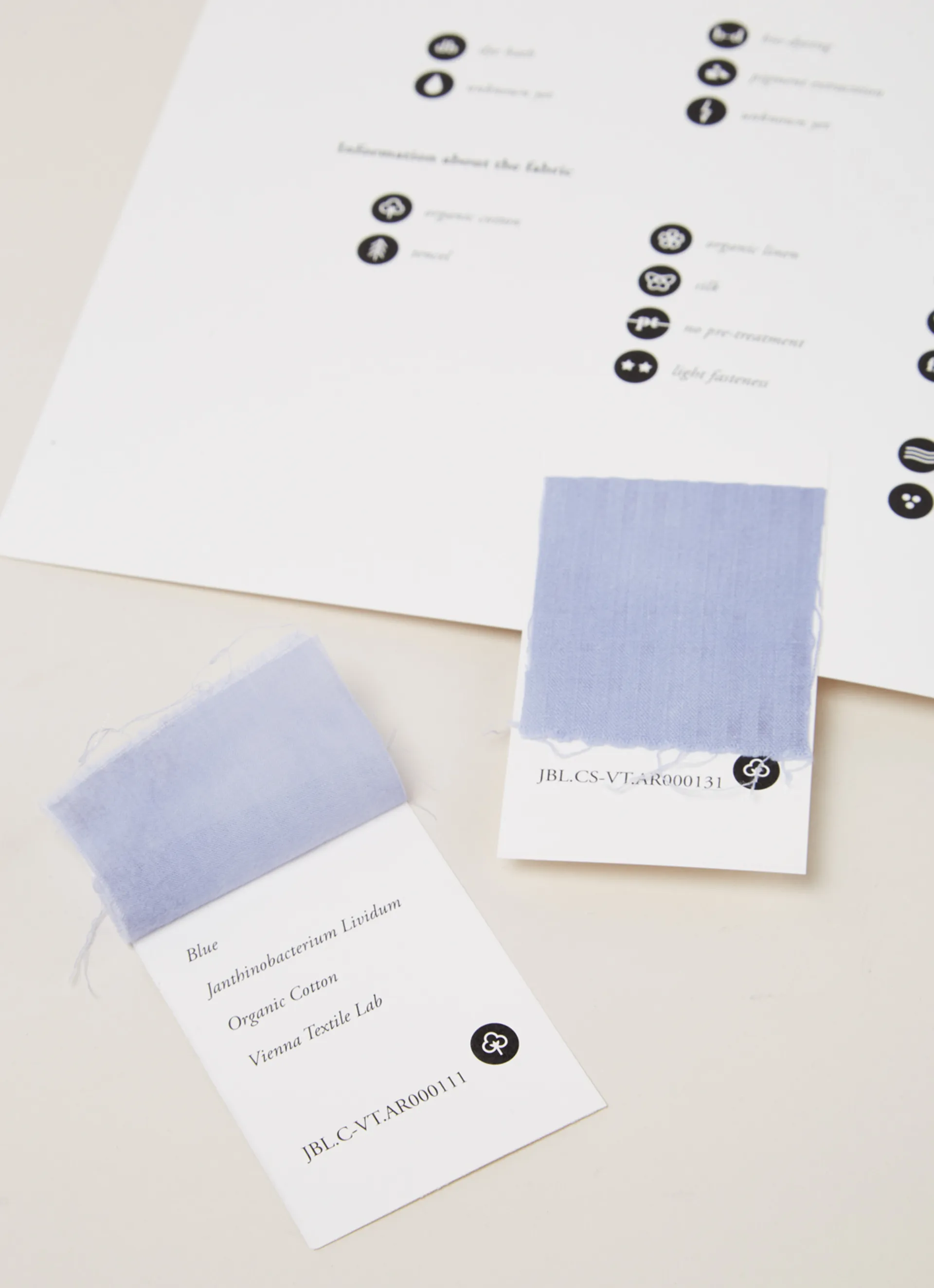
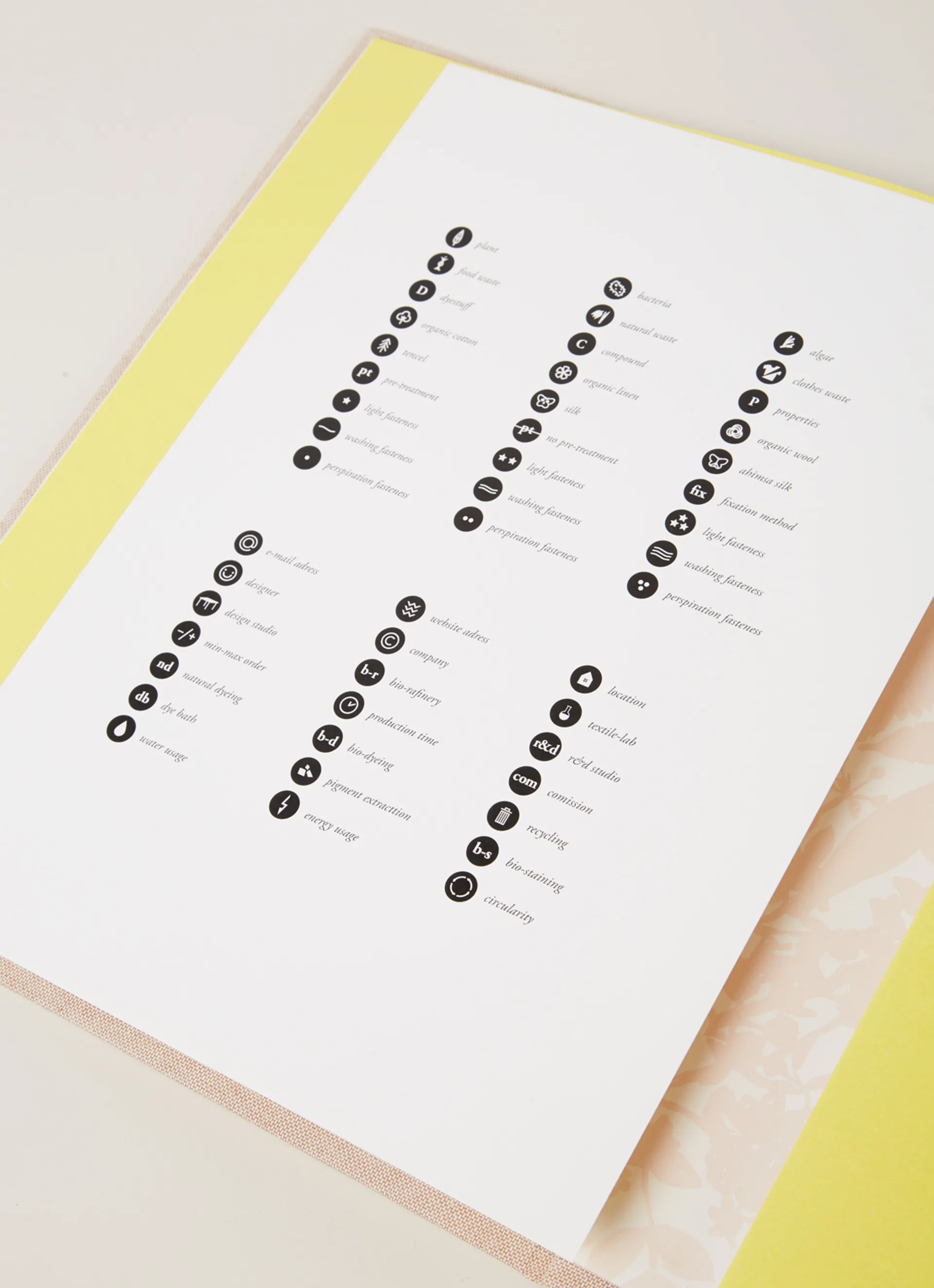
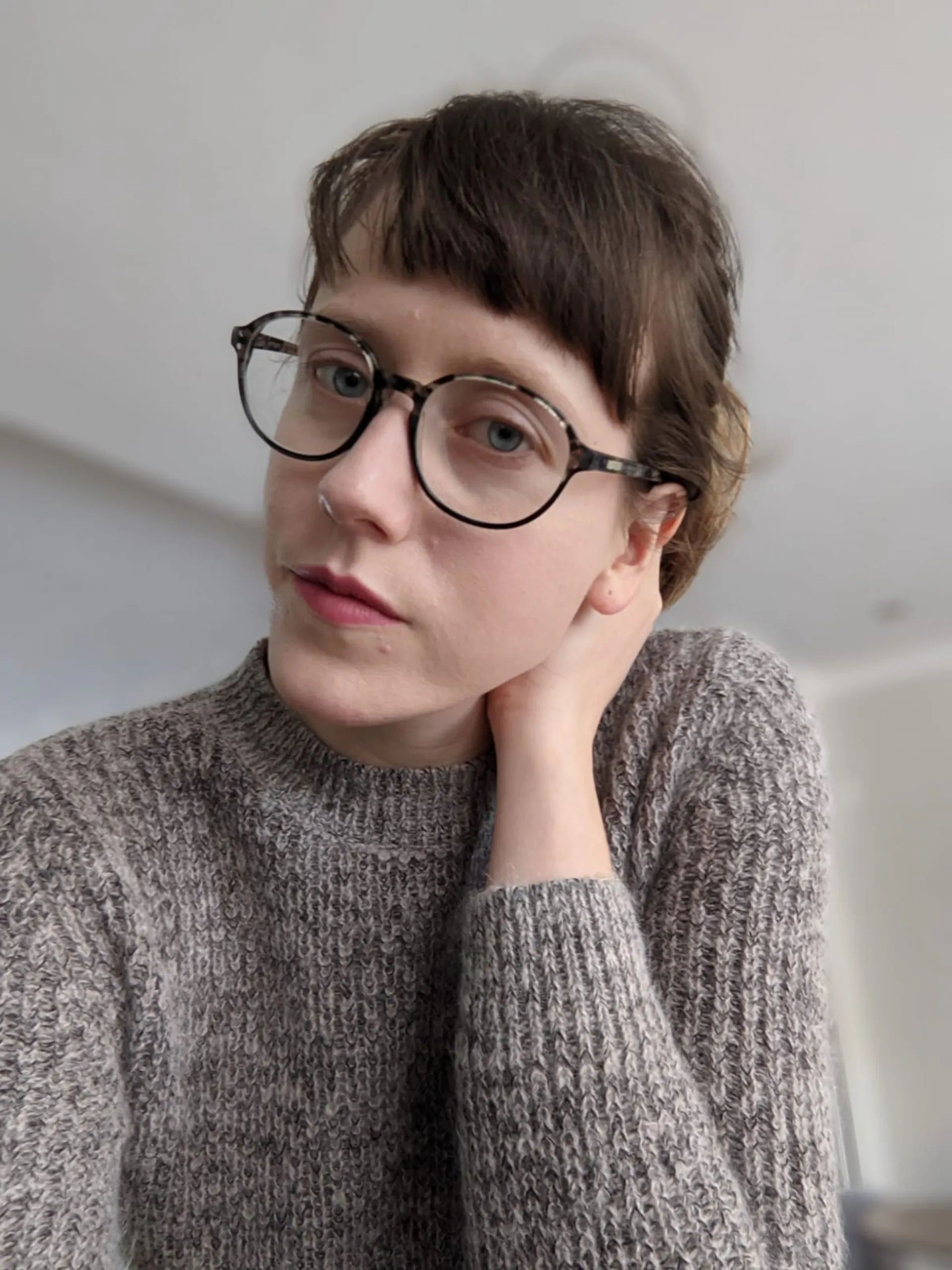
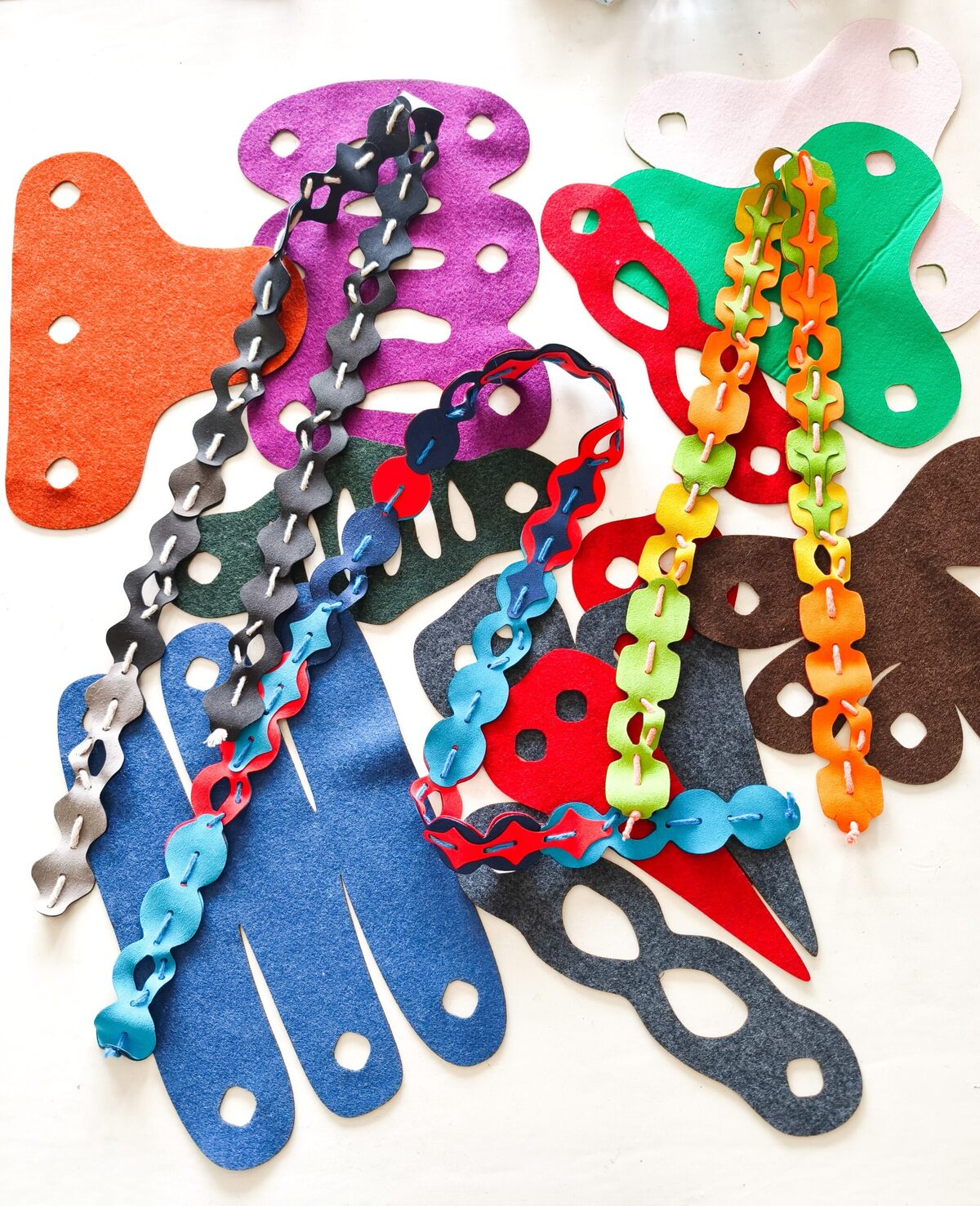
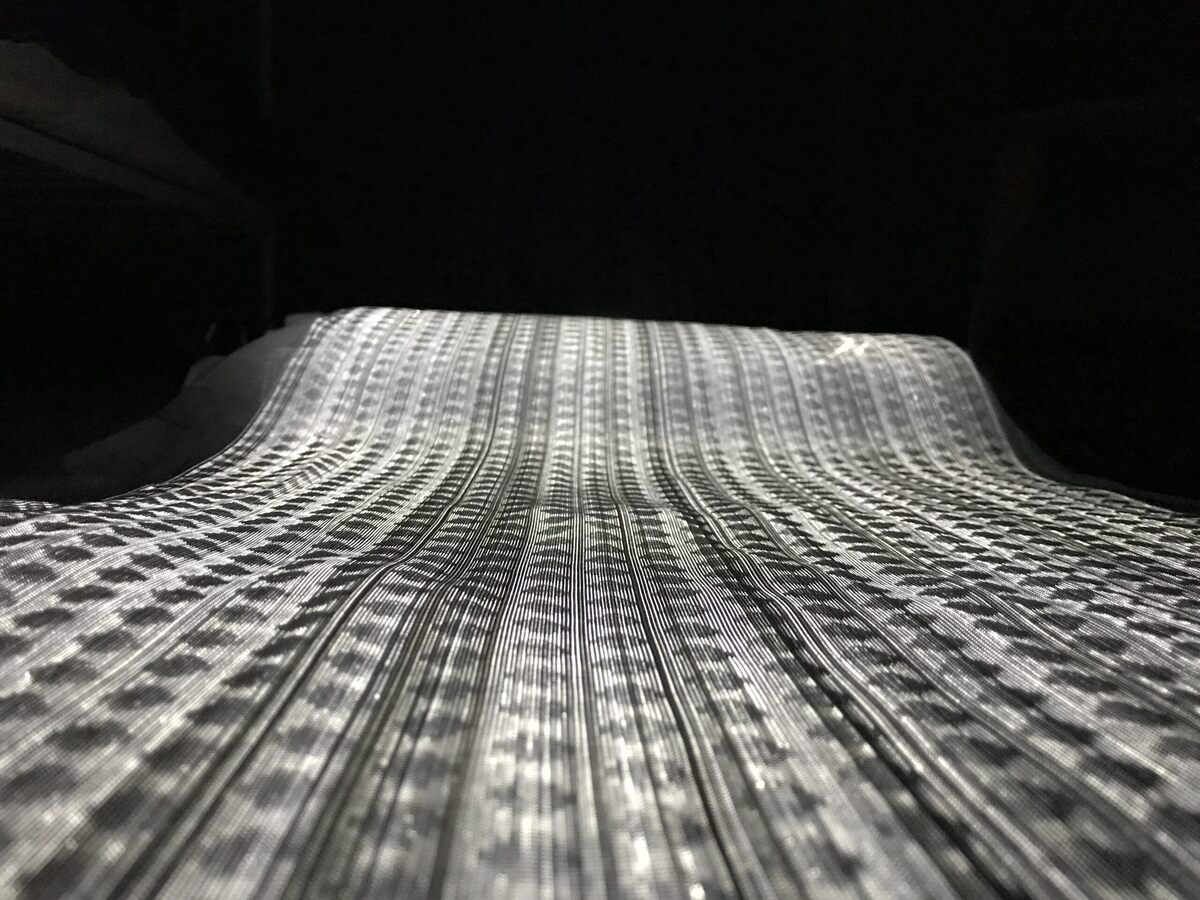
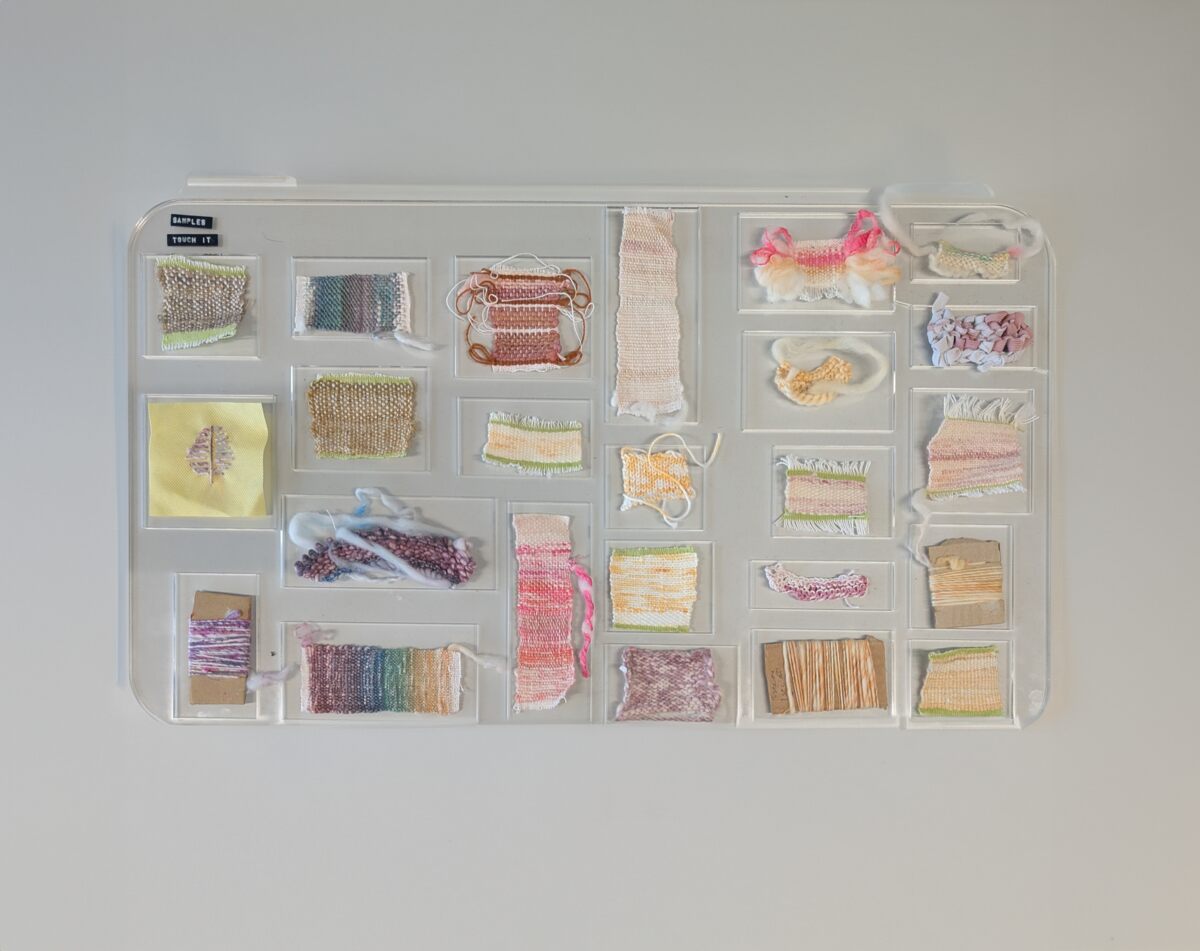
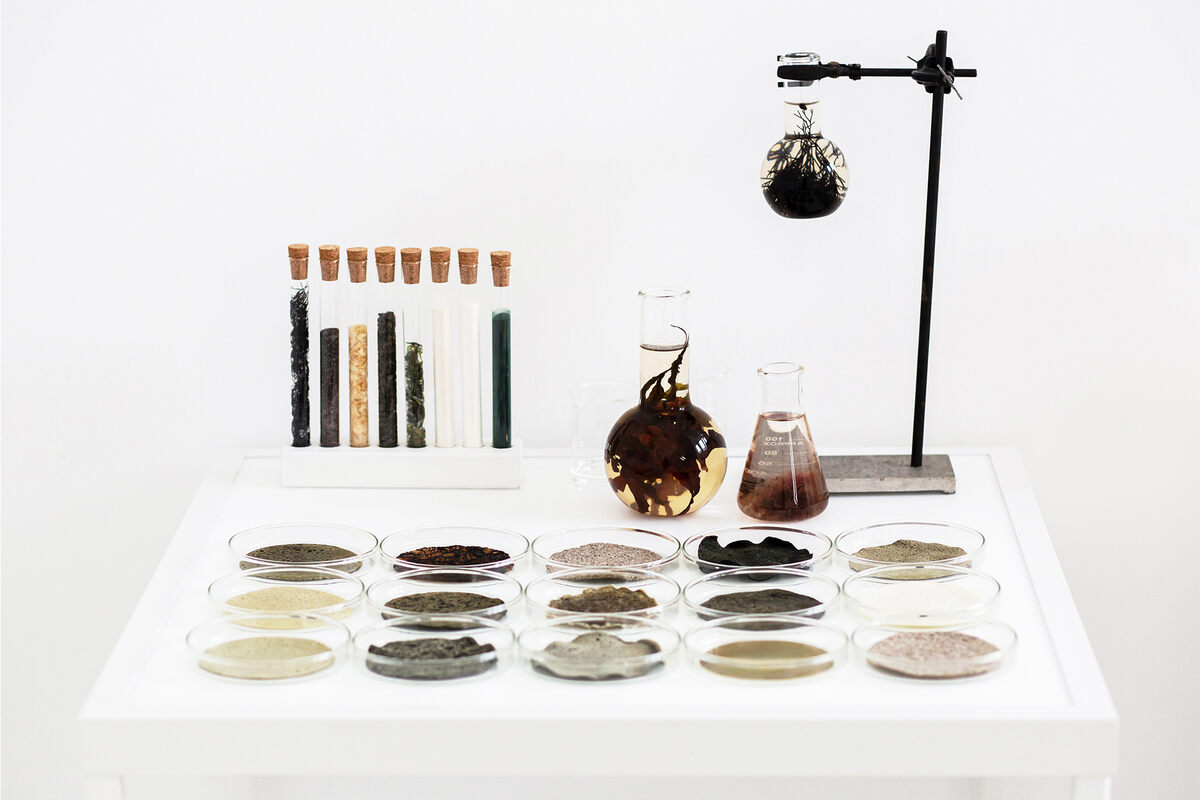
Colour researcher Julia Kaleta is dedicated to strengthening colour communication and exploration into natural dyeing as a sustainable alternative for the fashion industry. What began as a passion project, the “Atlas of Sustainable Colours” now addresses a real need in the industry by providing comprehensive colour referencing and inspiration for natural dyeing.
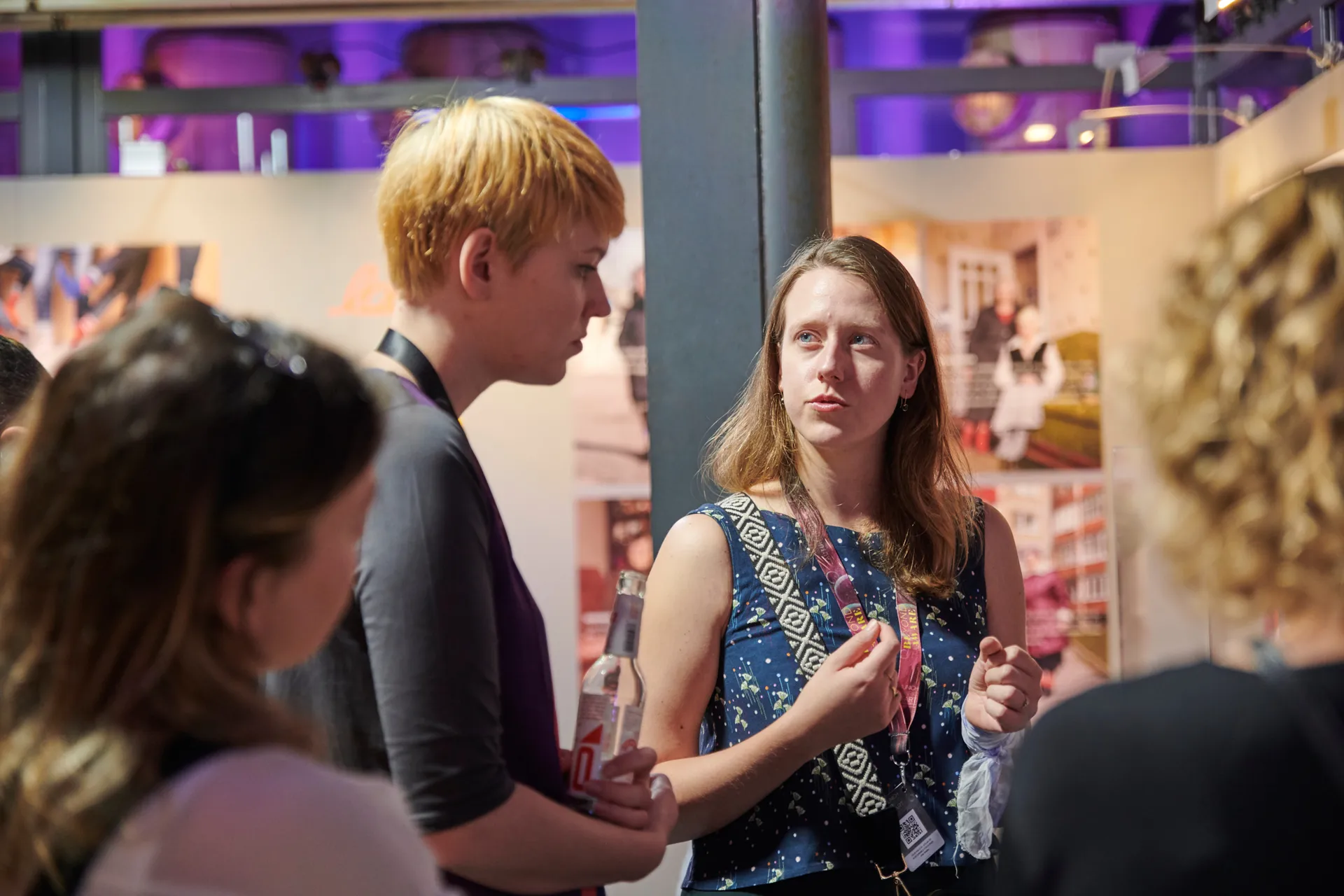
Julia Kaleta sat down with Simon Angel as part of our Key Conversations video series to talk us through the evolution of her work, the challenges of integration with design libraries as well as the realities embraced by sustainable fashion brands and designers making the move towards sustainable alternatives in dyeing. Find out more about Julia Kaleta’s background on her homepage www.juliakaleta.com
Can you tell us how you work and how the atlas itself has changed since you exhibited at Keyhouse in 2019?
During Munich Fabric Start I made a lot of new connections and shared a lot of inspiring conversations which made me ask myself more questions about sustainable colouring. Since then, the project changed a bit, but its main goal to be a catalyst and facilitate the debate on sustainable colouring in the textile industry has stayed the same. I am currently working on a digital platform for the Atlas of Sustainable Colours, nevertheless, it is a side project which I am developing in my free time so this is still in the development phase. I keep in touch with researchers and designers in the field to stay up-to-date with new possibilities and challenges of colour innovation. Recently, I applied for a grant to further develop my research but unfortunately didn’t secure the necessary funding which would speed up production of the Atlas of Sustainable Colours, to make it available for those who would benefit from having it in their design libraries.
What is the next step to this project?
The project itself sparks a lot of curiosity as people are very interested in what the project has to offer, usually following up with messages about how to get their hands on a copy. This shows that small brands and independent designers are in need for a guide into alternative colouring. My focus now is on production and realising my dream to make this book available to buy. In the meantime, I offer services as a sustainable colour consultant to help brands navigate the challenges of natural dyeing. While it is not the first catalogue of natural colours, the Atlas of Sustainable Colours is indeed the first compendium and comprehensive guide to colours made with alternative dyeing methods.
Tell us what you’re currently working on, is there something in particular which is new and challenging you have to tackle?
Last year was particularly challenging for me. Especially while undergoing work to realise the digital platform, it became clear that it is a much bigger project which is still looking for funding to take the project forward. I was invited as a guest lecturer to speak with students on the topic ‘Ecological debate in fashion through the prism of colour’. It was an extremely fulfilling experience that has led to my decision to study for a PhD in this field. Right now, the most challenging thing is to remind myself why I started this project and to keep developing it accordingly.
What’s your viewpoint on colour in fashion?
I look at colour as a tool to create an aesthetic experience. Therefore, I encourage every designer who is in the unique position of power to create new objects, to ask themselves not only about the origin of textiles but also to wonder where the colour comes from and how it was produced. It’s not always easy to find that information, but in the process, you will think more in depth about the complexity of the fashion industry and the importance of questioning the origin of the resources we use. These are the kinds of questions we must ask if we want to make more sustainable products and secure a sustaining life on this planet.
Do you have any advice to brands making the shift from synthetic to natural dyeing processes?
The best way is to open up a conversation with your own textile suppliers. In the end the goal is to recreate the fashion system, and if you are working with a textile supplier ask if they have in their offer colours made with natural ingredients. If they don’t have it, they will at least notice a demand for change. If your brand’s DNA focuses on optimizing waste and being more circular, it is great to look for fabrics dyed with waste from the food industry or embrace the process of making it on your own. It is important for a designer who wants to work with alternative colours to embrace the unpredictability of the outcome of the dyeing process. From a design side of things, it is important to consider the fact that natural colours may gradually fade away. Lastly, locality is a very important sustainable value. What does it mean in the context of dyeing? Look for local dyers in your country and start amazing collaborations with local studios who will dye your collection with indigo, madder or turmeric for example.
Who is your dream company to collaborate with and why?
Oh I would love the Atlas of Sustainable Colours to be in every design school both as a reference and inspiration. Besides that it would be amazing to collaborate with Natsay Audrey Chieza, one of the pioneers in bio-dyeing and a very inspiring woman, who works in a field of biotechnology and design.
Our thanks to Julia Kaleta for her insights and joining us in conversation as part of the Key Conversation series with Sustainable Innovations curator, Simon Angel, of MUNICH FABRIC START. If you’re interested in a collaboration with Julia, she’d love to hear from you! Contact her directly via: https://juliakaleta.com/contact
Let’s keep the conversation going … did this project spark an idea or do you have any questions? We’d love to hear from you, send us an email to info@munichfabricstart.com