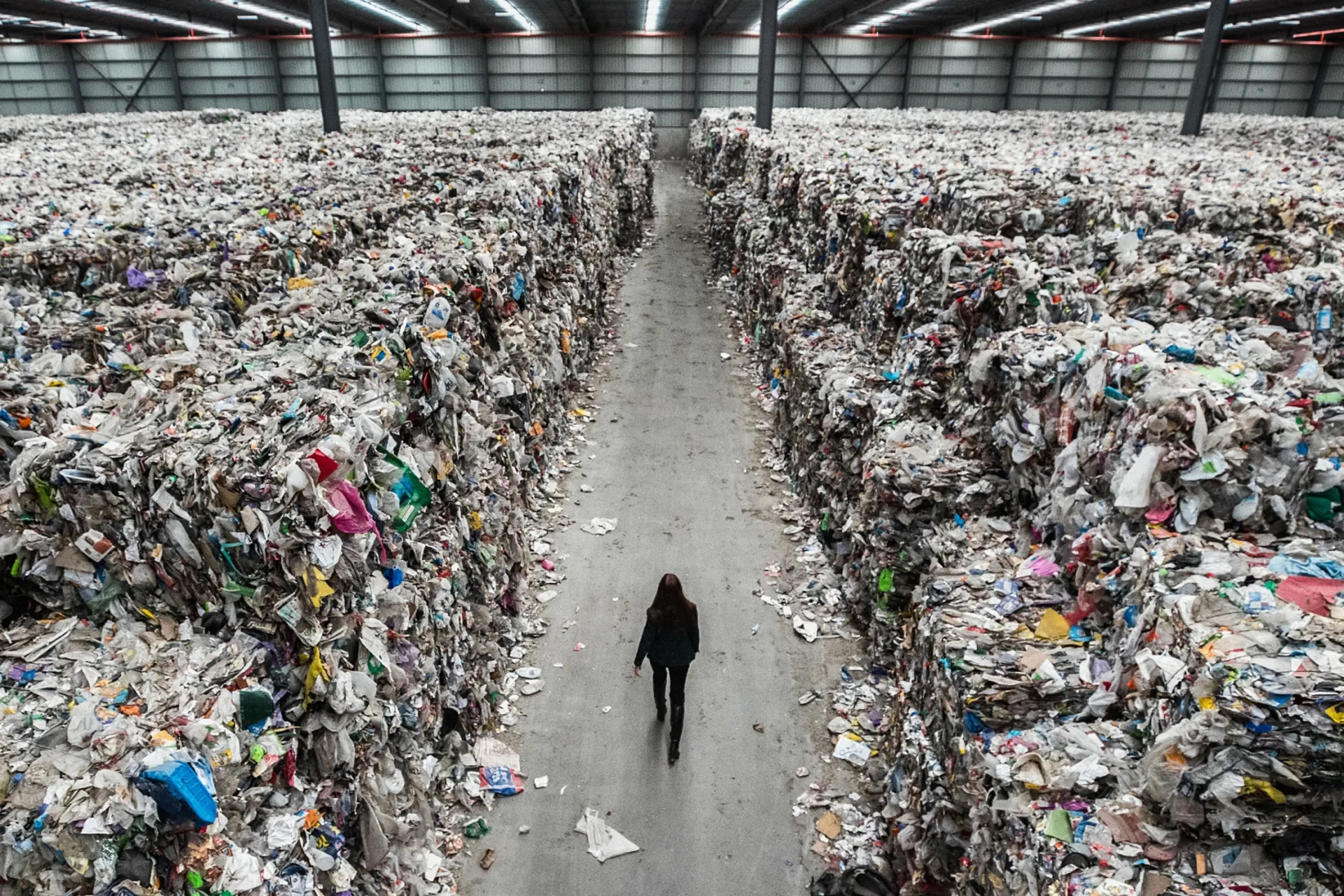
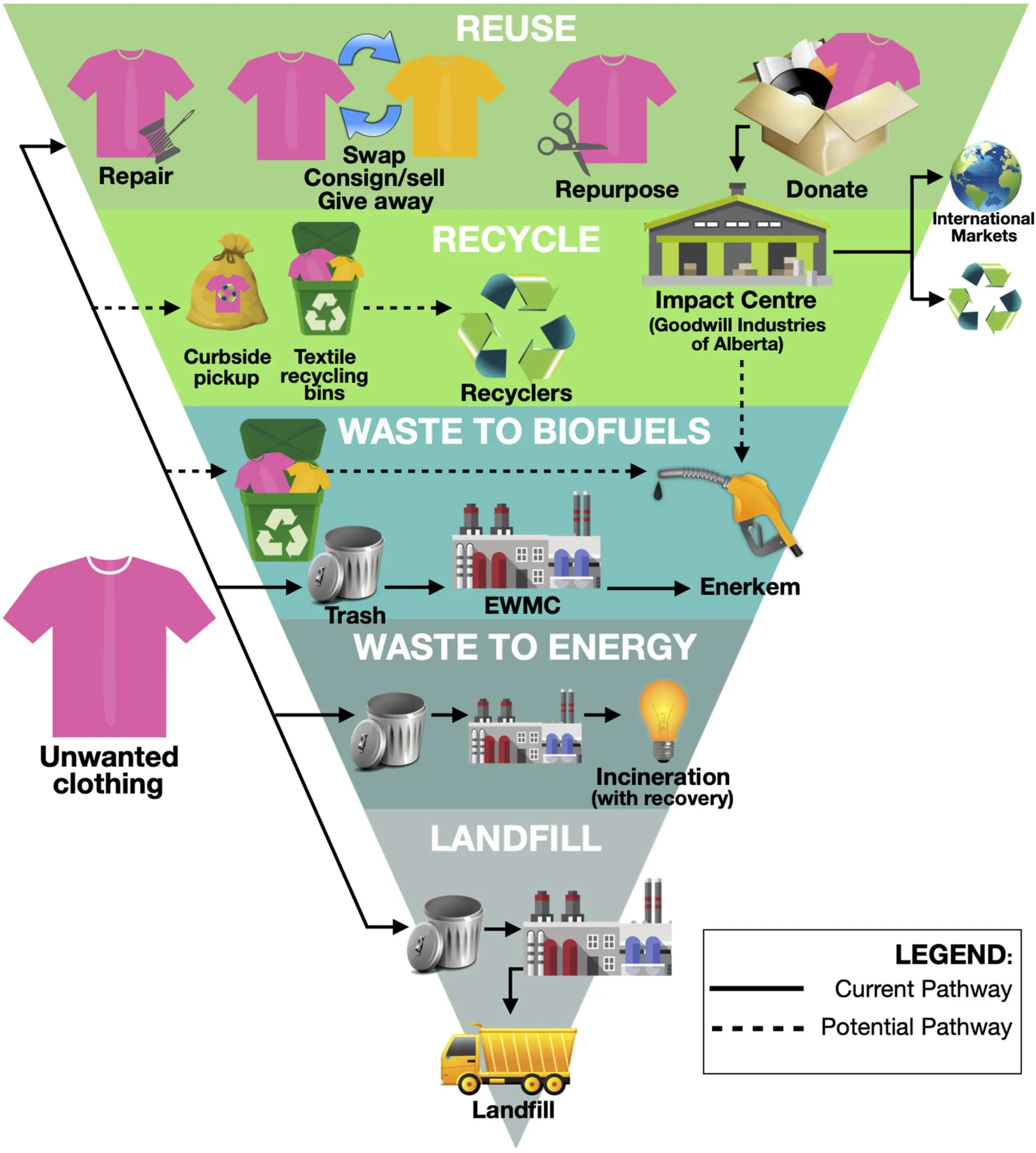
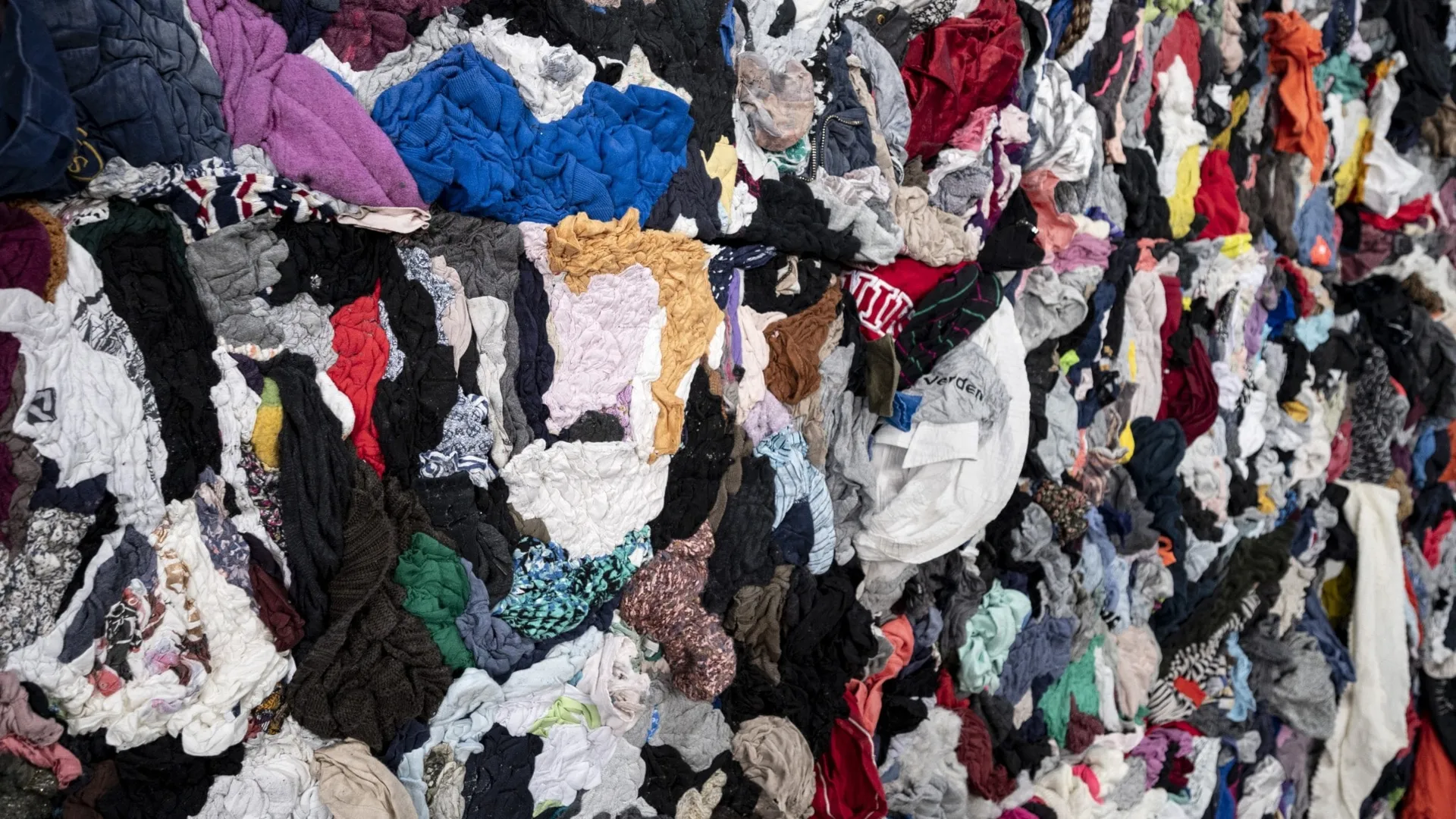
With the rapid global increase in textile waste caused by the growth of the clothing and textile industry and fast fashion among consumers, textile recycling has become paramount.
The problem is that recycling textiles is not an easy feat.
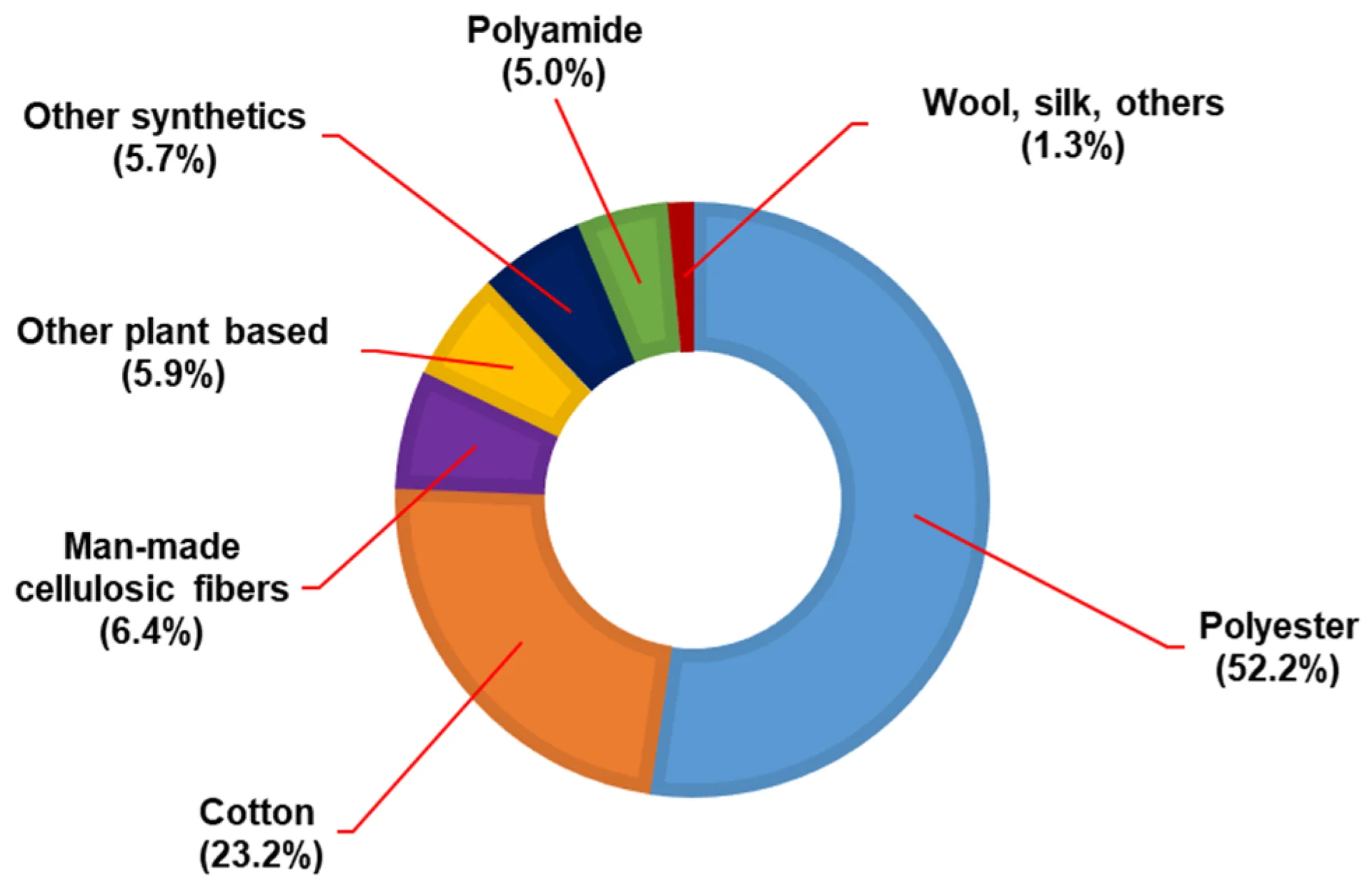
Many factors need to be considered. The most challenging obstacle to textile recycling is that the fabrics are often made from blended materials , and it is not easy to recycle mixed materials. This is mainly because each textile needs to be isolated before being effectively recycled. So as the fashion industry feels the pressure to move toward closed-loop production, what is the solution?
Game-Changing Solutions Explained
Working together with H&M Foundation, they successfully developed a process that can fully separate and recycle cotton and polyester blends. The recovered polyester material can be reused directly, creating new benefits of recycling without any quality loss. The hydrothermal process uses only heat, water and less than 5% biodegradable green chemical to self-separate cotton and polyester blends. This fibre-to-fibre recycling method is cost-effective, and there’s no secondary pollution to the environment, ensuring the life of the recycled material is prolonged sustainably. The technology will be licensed widely to provide broad market access and maximum impact.
»Erik Bang , former Innovation Lead at H&M Foundation, shared: “For too long, the fashion industry has not been able to recycle its products properly since there’s no commercially viable separation, sorting, and recycling technology available for the most popular materials such as cotton and polyester blends” . He continues, “This very encouraging finding has the potential to change that. We are very excited to develop this technology and scale it beyond the laboratory, which will benefit the global environment, people and communities.«
Erik Bang, former Innovation Lead at H&M Foundation
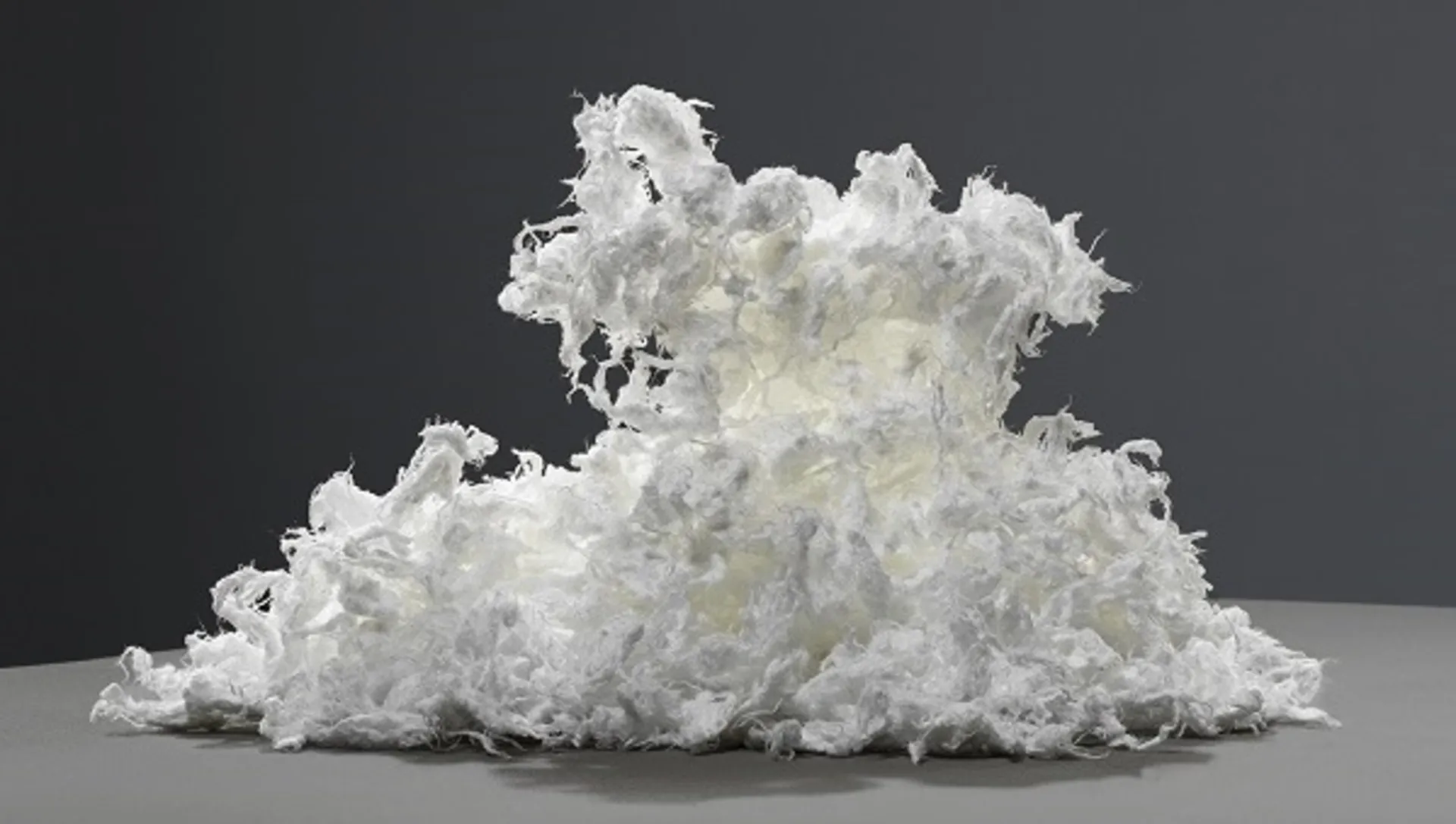
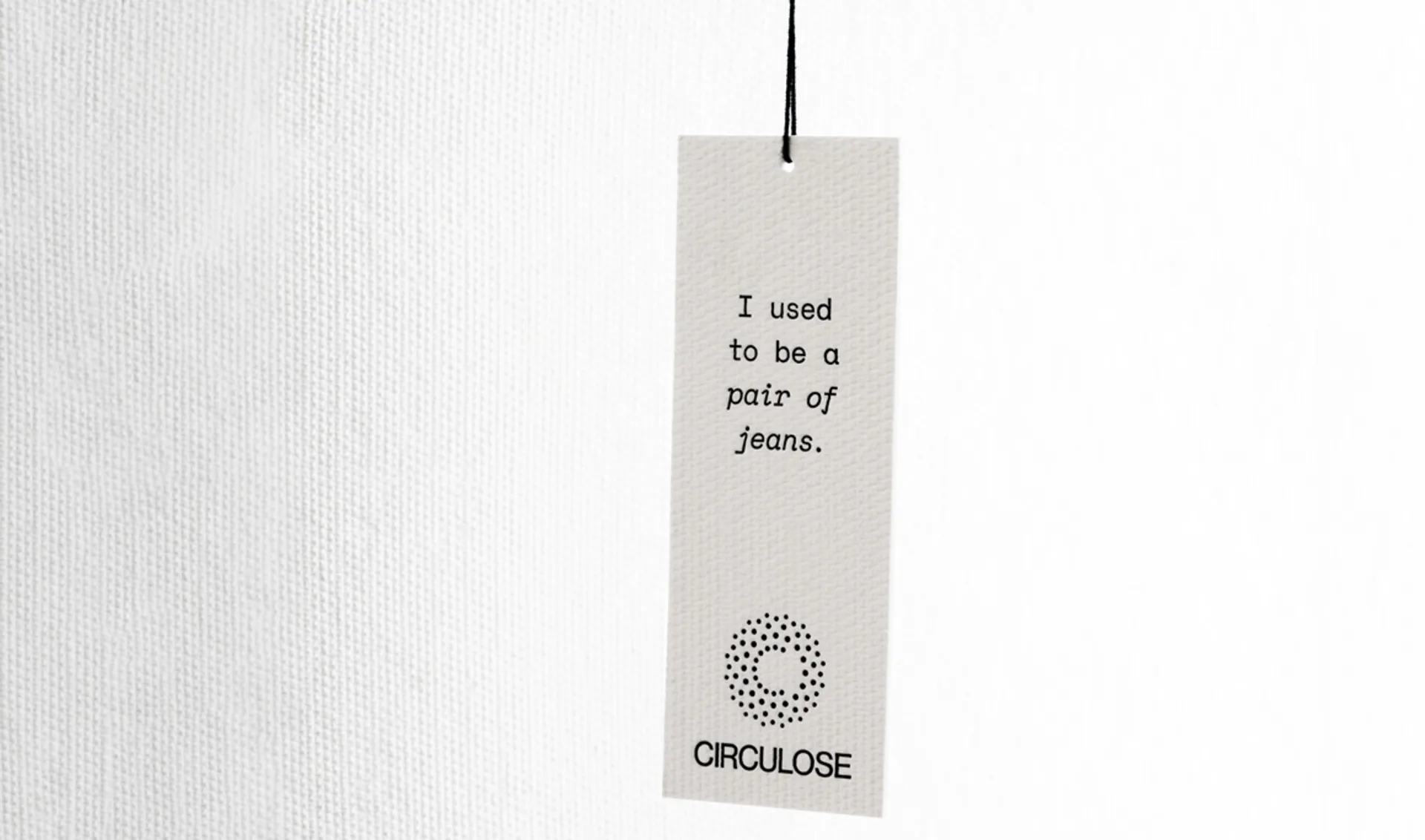
Södra, a significant forestry cooperative based in Växjö, Sweden, has come up with a unique solution designed to enable large-scale textile recycling that solves this fundamental obstacle to the textile industry. The pioneering solution makes it possible to recycle textiles on a large scale.
Using its resources and expertise for an innovative textile recycling solution, Södra has found a way to recycle fibres from blended fabrics on a large scale. The aim: enabling circular flows in the fashion and textile industry.
»Södra also has aggressive sustainability targets. We are, therefore, seeking companies with high sustainability ambitions that would like to partner with us in the delivery of textiles. That will determine our start-up and future production capacity«
Helena Claesson, Project Manager Södra
»We are now redrawing the fashion and textile industry map by offering circular flows of textile fibres. A sweater can now become a sweater again – this will create added value for our customers, especially the fashion industry.«
Johannes Bogren, President of Södra Cell Bio-products
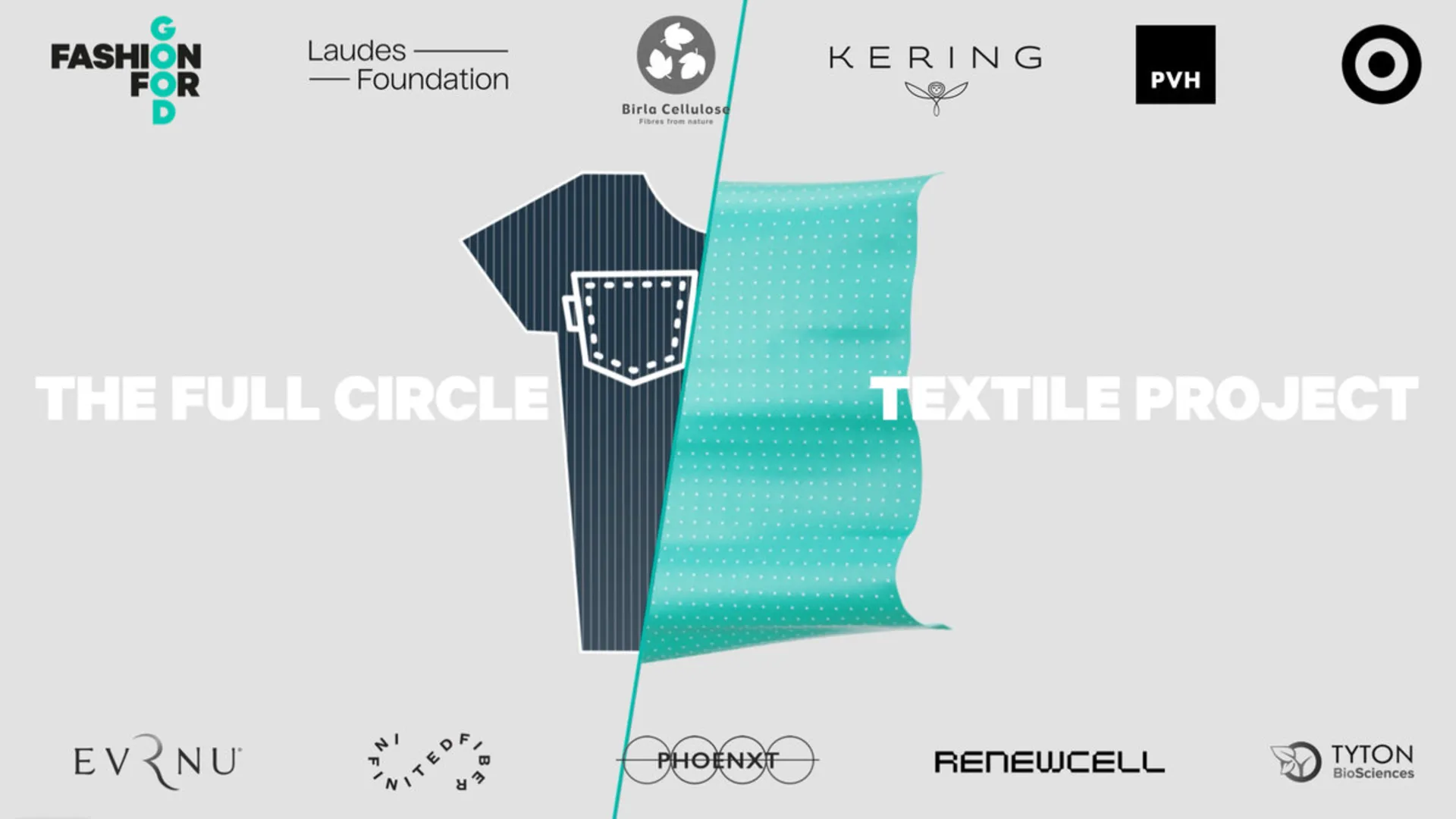
The Fashion for Good Full Circle Textiles Project turned to innovative recycling technologies to close the loop on textile waste. The project’s objective was to explore the potential to reduce the environmental impact of textile waste; the textile-to-textile recycling solution has the potential to eliminate the industry’s dependence on virgin raw materials.
»Supported by C&A, Martha Willis, Senior Manager of Sustainable Materials and Circular Innovation at C&A says: “This project will help us all in understanding the barriers, impacts and opportunities in the chemical recycling of polyester and is an important foundation to C&A’s commitment to connecting principles of circularity to 7 out of 10 of our products by 2028.«
Martha Willis, Senior Manager of Sustainable Materials and Circular Innovation at C&A
Focusing on investigating economically viable and scalable solutions, the Full Circle Textiles Project has accomplished their objective scale of disruptive innovation in the industry and the capability of chemical recycling to accelerate circularity.
»The next phase of the project focuses on scaling these solutions and encourages brands, innovators, and supply chain partners to create long-term partnerships, catalyse funding to enable scaling, and leverage industry expertise to develop and implement these technologies further«
Fashion For Good
The C&A supported project, which was launched in September 2020, was successfully executed. Read the outcomes and learnings of the project here.
Conclusion
I think that the aim should be to develop the infrastructure necessary to scale textile recycling, and to do this, f ashion businesses need to take advantage of upcoming technological developments. By working together toward a common goal, we will get one step closer to a more sustainable textile recycling process, with the end goal of contributing to facilitating a circular economy.
About the author
Founding editor-in-chief of FashNerd.com, Muchaneta has worked in the fashion industry for over 14 years. She is currently one of the leading influencers speaking and writing about the merger of fashion with technology and wearable technology.