Skip to content

News & Blog

The New EU Textiles Strategy: 15 Things You Need To Know

Autumn.Winter 23/24 / Interview / Keyhouse / Sustainability

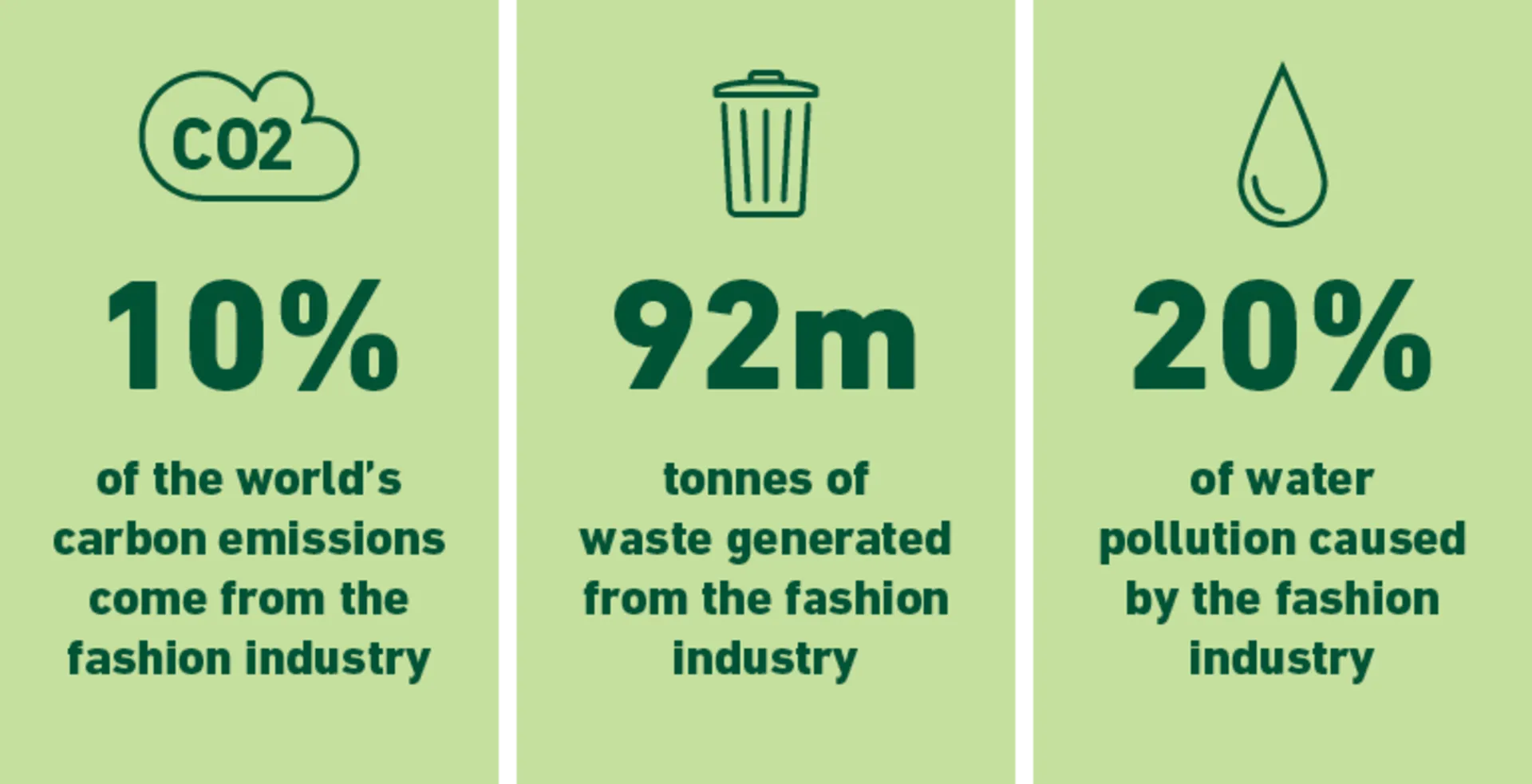
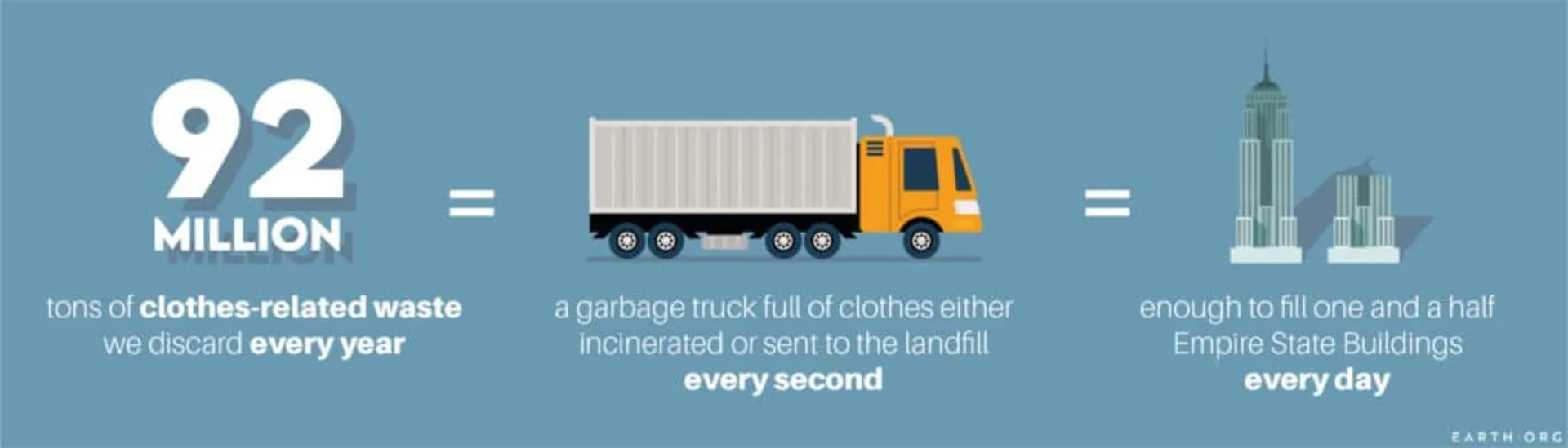
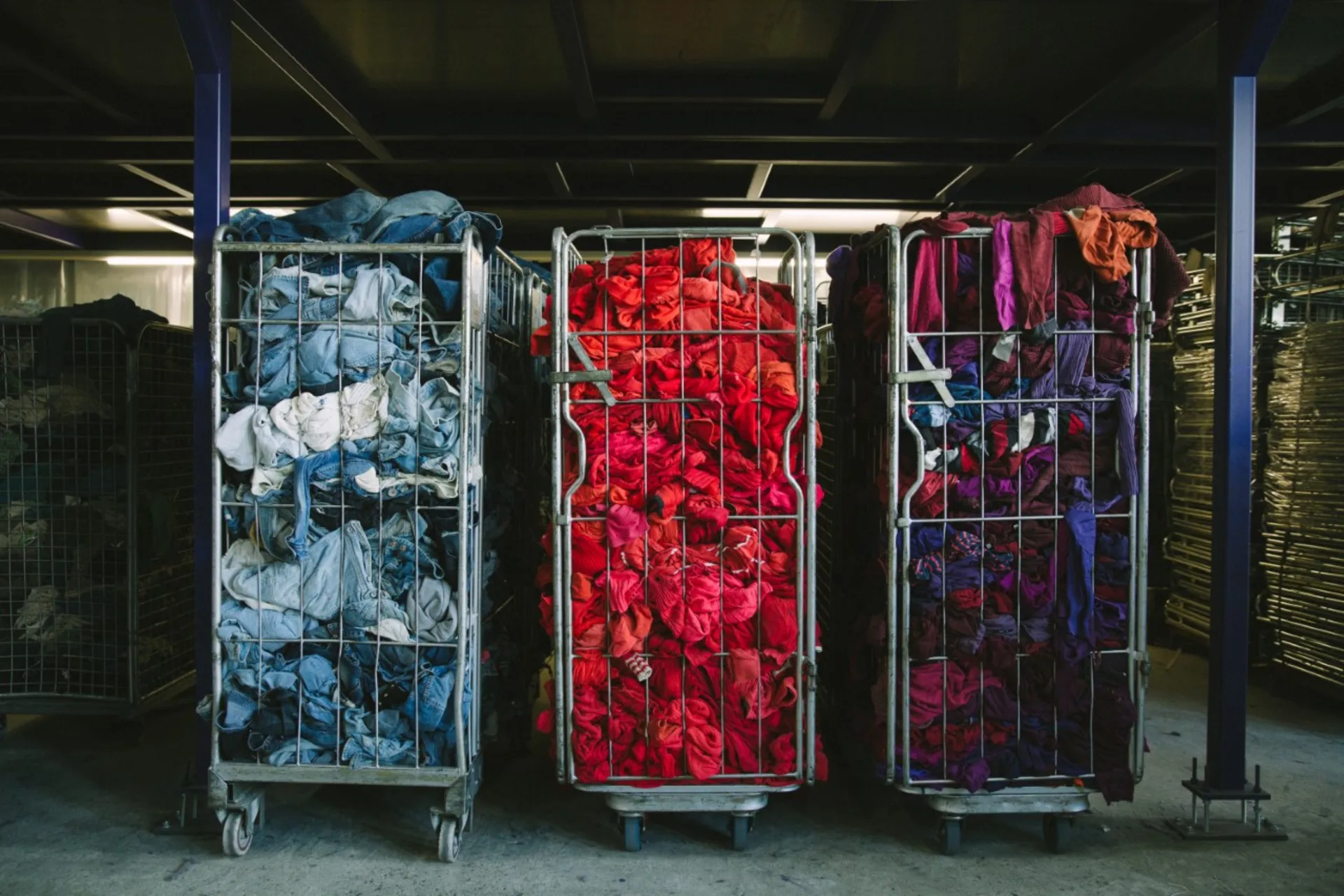
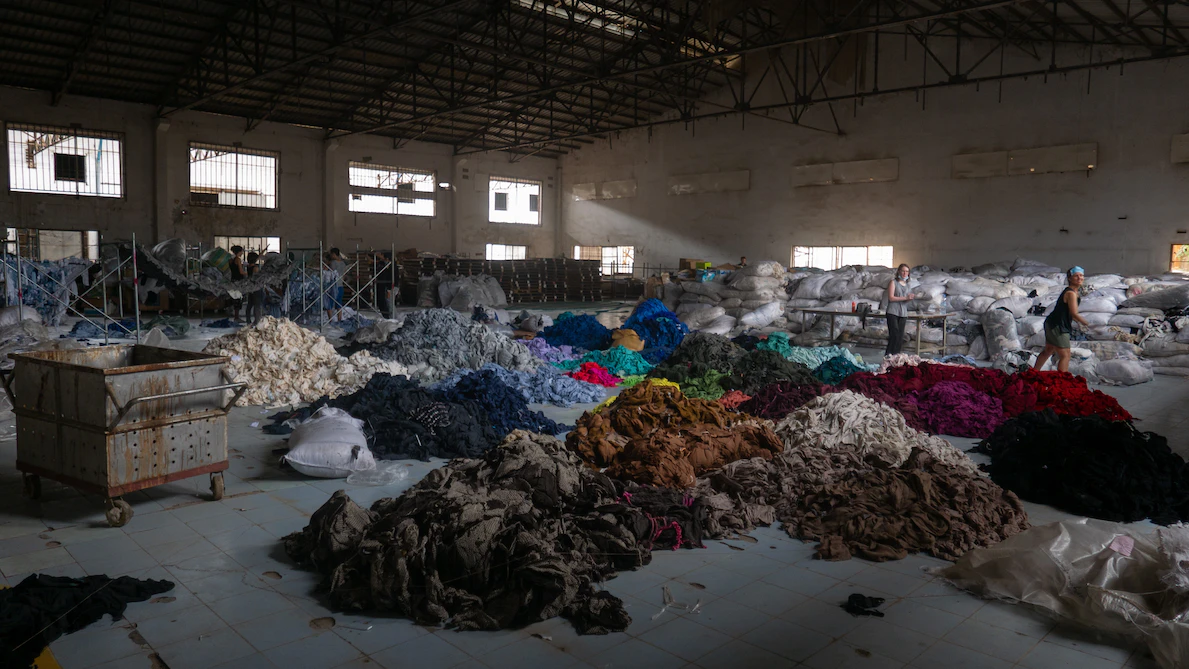
The fashion industry produces 92 million tonnes of waste. It is also responsible for 10% of the world’s carbon emissions. The ugly truth is that the way that the fashion industry does business is making an unsustainable impact on natural resources and the environment at each stage of the supply chain.

So what can be done to minimise an industry-wide problem’s carbon and environmental footprints? Well, this is where the new EU Strategy for Sustainable and Circular Textiles comes into play.

Is It Empowering the Green Transition?

More than just another set of rigid rules, the new EU textiles strategy is driven to address the need for businesses to take responsibility and act to minimise their carbon and environmental footprints. Proposed by the EU Commission, the plan has been set up to help the EU shift to a circular economy that can tackle fast fashion, textile waste and the destruction of unsold textiles. The strategy also aims to encourage businesses to participate actively in the co-creation process through their commitments to circularity and circular business models.

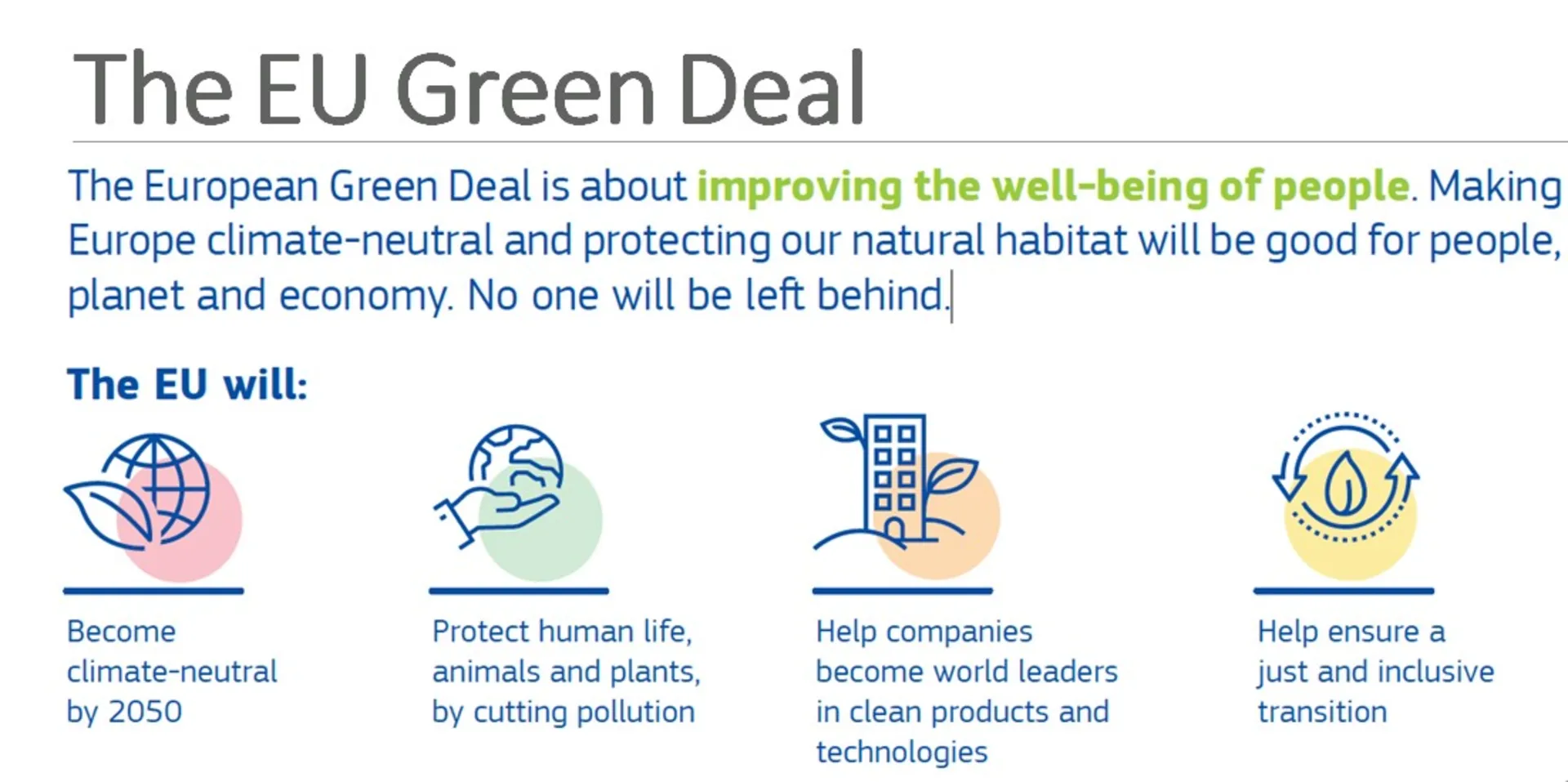
As part of the EU Green Deal, the strategy proposes to make sustainable products “the norm in the EU.” Pushing forward the idea that all production fully respects social rights, the plan also calls on companies to make textiles more durable, repairable, reusable and recyclable.

Bringing attention to a product’s lifecycle, the strategy focuses on design through to end-of-life. The agenda is to kickstart actions that ensure that by 2030 textile products placed on the EU market will be more eco-friendly and long-lasting.

With so much change promised, the Commission’s proposal of new rules can be complex for some to unpack. So here are ten things you need to know about the new EU Strategy for Sustainable and Circular Textiles.

15 Things You Need To Know

  • The new strategy is part of a much broader package comprising up to 16 new pieces of legislation and other policy measures that directly affect the textile value chain.
  • The aim is to create a model for a thriving green and digital transformation in manufacturing.
  • The strategy obliges manufacturers to give consumers more information about the reuse, repair and recycling of clothing.
  • The aim is to move away from fast fashion and to get more companies to commit to business models that enable the reuse and repair of products on a large scale.
  • In the textile sector, the strategy relies on manufacturers taking responsibility for their products along the entire value chain, even when they become waste.
  • The EU strategy to promote the circular textiles ecosystem aims to support and accompany the textile industry’s ecosystem on its path of transformation.
  • By promoting innovative fibre-to-fibre recycling, the incineration and landfilling of textile waste is to be reduced to a minimum.
  • Solutions and measures include more accurate information, a digital product passport and a mandatory EU extended producer responsibility scheme.
  • The strategy underlines the need for accurate green claims by proposing new consumer rights and a ban on greenwashing.
  • Reducing overproduction and overconsumption and preventing the destruction of unsold or returned textiles.
  • Proposing mandatory extended producer responsibility for textiles with eco-modulation of fees.
  • Tackling the unintentional release of microplastics from synthetic textiles.
  • Restricting the export of textile waste and promoting sustainable textiles worldwide.
  • Creating incentives for circular business models, including reuse and repair services.
  • Adopting favourable tax measures for the reuse and repair sector. Finally, the new EU Strategy for Sustainable and Circular Textiles aims to make the EU market greener, more circular and more energy-efficient and to restore balance in global supply chains. In summary, the EU sustainability strategy for textiles is very ambitious, but that is exactly why it is important that it is implemented properly.

Are you interested in more in-depth facts and figures about the new textile economy? Visit the FashNerd.com Lounge in H5 | 28 or join the mini talks at the Keyhouse.

About the author

Founding editor-in-chief of FashNerd.com, Muchaneta has worked in the fashion industry for over 14 years. She is currently one of the leading influencers speaking and writing about the merger of fashion with technology and wearable technology.

Muchaneta ten Napel | editor@fashnerd.com

The MFS App for the best trade fair experience

All important information, dates and practical functions at a glance in our trade fair app.

Download on the App Store Get it on Google Play

the cutting edge

The Munich Fabric Start Newsletter

the cutting edge

Textile Trends. Fresh Ideas.

Inspiration, show news and key dates from MUNICH FABRIC START, straight to your inbox